
20 brands
Every brand on this page was chosen, not just carried. Same workshop check, same warranty, whether it’s a $999 commuter or a Lamborghini-badged frame.
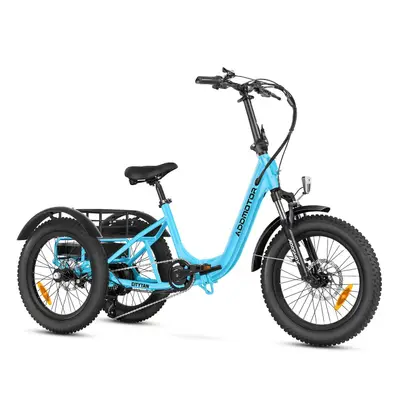
Addmotor
5 models · $1,199–$2,899
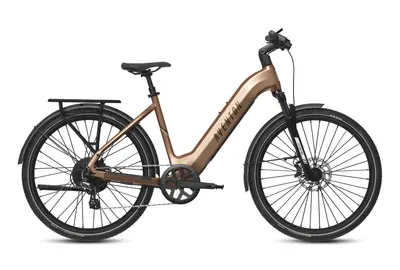
Aventon
20 models · $1,199–$3,999
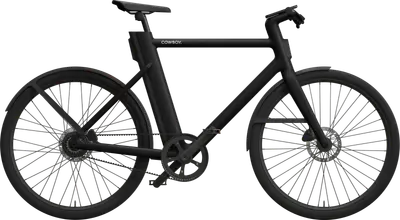
Cowboy
1 model · $2,990
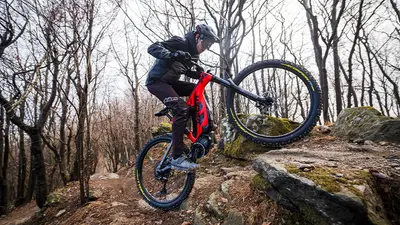
Ducati
4 models · $5,995–$11,990
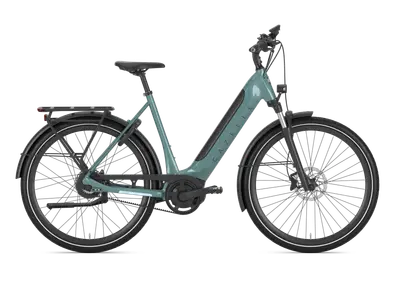
Gazelle
1 model · $4,749
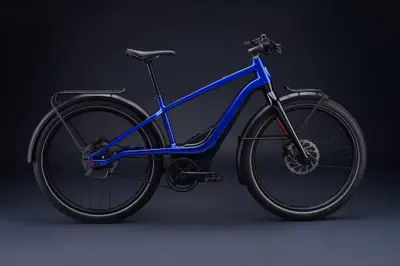
Harley Serial 1
17 models · $2,999–$5,999
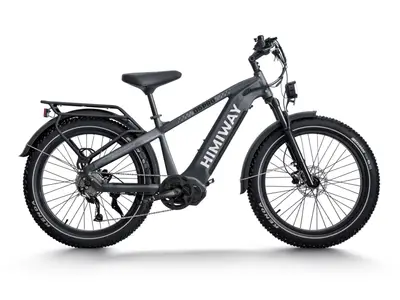
Himiway
4 models · $1,999–$3,999
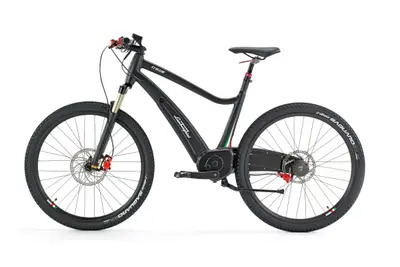
Lamborghini
2 models · $18,700–$19,300
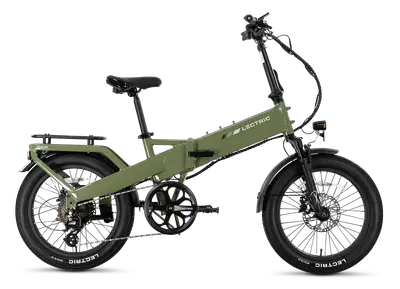
Lectric
7 models · $799–$1,999
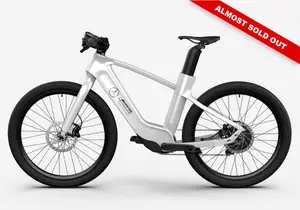
Mercedes-AMG
13 models · $4,000–$7,500
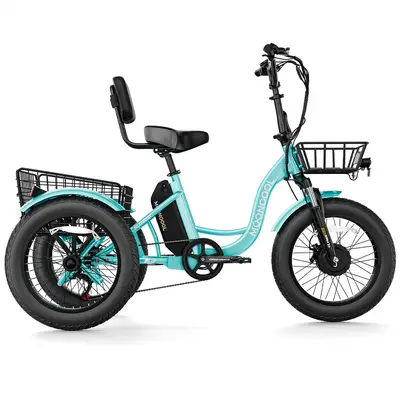
Mooncool
5 models · $1,300–$2,000
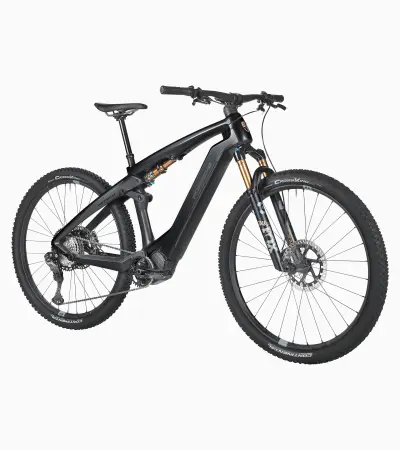
Porsche
3 models · $9,819–$10,920
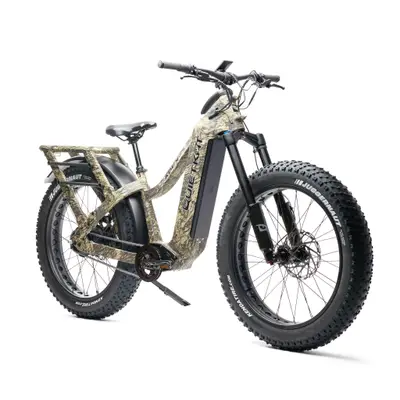
QuietKat
18 models · $2,500–$6,350
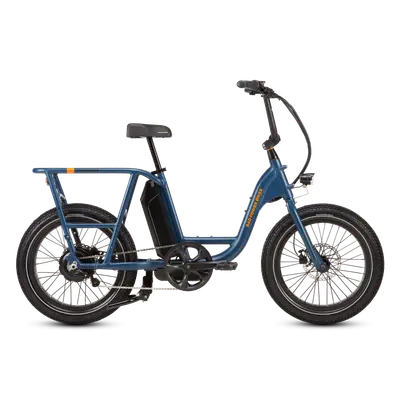
Rad Power
18 models · $1,499–$2,399
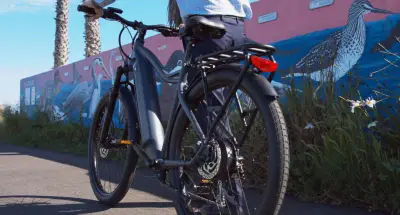
Ride1Up
11 models · $995–$1,795
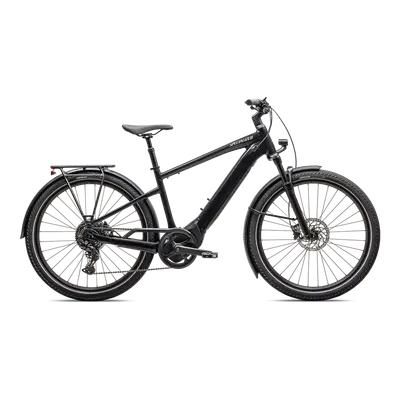
Specialized
9 models · $2,799–$7,999
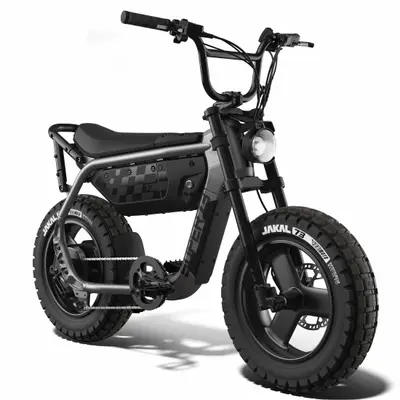
Super73
4 models · $1,995–$3,045
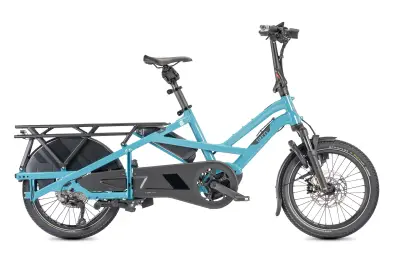
Tern
8 models · $2,999–$7,999
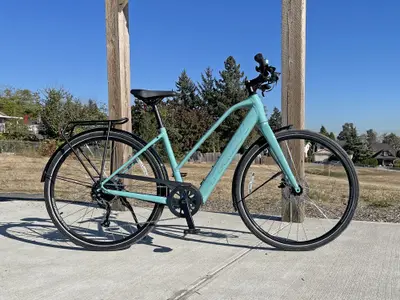
Trek
6 models · $2,500–$8,700
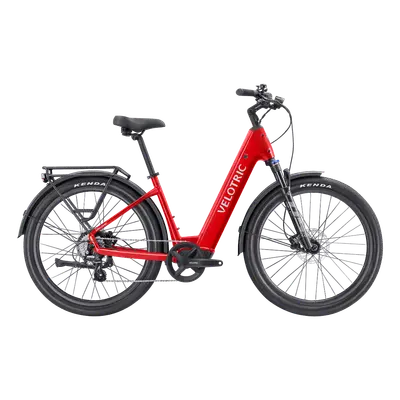
Velotric
18 models · $1,299–$2,499
How the electric bike brands here actually split
20 brands sounds like a lot until you notice they are not competing with each other. They fall into five groups, and knowing which group you are shopping in narrows the decision faster than any spec sheet.
Direct-to-consumer value, roughly $799 to $3,999. Lectric, Ride1Up, Velotric, Aventon, Rad Power and Himiway sell straight to you and put the saved margin into the spec. You get more battery and motor per dollar than anywhere else on this page. What you give up is dealer support and resale value, and the frames are built to a price.
Established bike brands, $2,500 to $8,699. Trek, Specialized, Tern and Gazelle have been building bicycles for decades and the money goes into frame engineering, geometry and a dealer network. A Trek Rail costs more than a Himiway D7 Pro with less travel on paper, and it is still the better trail bike. That gap is the thing a spec table cannot show you.
Design-led and specialist. Cowboy at $2,990 and Super73 from $1,995 sell a look and a feel first; QuietKat from $2,500 builds for hunting and backcountry; Rad Power builds around a load-rated deck. These are bought for one specific reason rather than compared on value.
Automotive badges, $2,999 to $19,300. Harley’s Serial 1, Mercedes-AMG, Ducati, Porsche and Lamborghini. Some are genuinely excellent bikes and some are mostly a badge, which is why every one of them has its own page here saying which is which.
Trike specialists, $1,199 to $2,899. Addmotor and Mooncool build nothing but three-wheelers, which is why their payloads start where a two-wheeler’s stop. Velotric and Lectric each make one as a sideline and both are good, but a brand that only builds trikes has thought harder about the differential and the turning circle.
If you want the shortest version: buy direct-to-consumer if the number matters most, buy an established bike brand if the ride matters most, and buy a badge because you want it, which is a perfectly good reason as long as nobody pretends otherwise.
The best e bike brands, by what you actually want
Most “best ebike brands” lists are affiliate rankings wearing a lab coat. They cannot size you, they do not know your hill, and not one of them will ever tell you not to buy. So we are not going to number these one to five. Here is which brand is best at one specific thing, and who beats them at everything else.
Cheapest honest bike: Lectric, from $799. Nothing else here gets under a grand with certified cells and a parts supply behind it. Ride1Up at $995 is the one that runs it close.
Widest choice: Aventon, with 8 bikes across six categories. If you do not yet know which type you want, it is the brand most likely to have the answer in stock.
Best ride quality: Trek and Specialized. You pay for geometry and frame engineering rather than headline watts, and on a trail or a long day the difference is not subtle.
Best for carrying: Tern for a proper cargo platform, Rad Power for a load-rated deck at half the money. Different answers to the same question, and the cheaper one is right more often than we expected.
Best on three wheels: Addmotor and Mooncool, for the reason above. Velotric’s Triker carries the most at 500 lb.
Best off-road: QuietKat, which builds for hunting and backcountry and nothing else, from $2,500.
The one thing none of these e bike brands can sell you is the right size, and a great bike in the wrong frame is a bad bike. If you are choosing between two brands rather than two models, our guide to what separates a real e-bike company from a box-mover covers the certification, warranty and parts questions worth asking of any of them.
Straight answers
- Which are the best e bike brands?
- There is no single answer, and any list that gives you one is ranking affiliate payouts rather than bikes. The best brand depends on what you are buying for: Lectric for the lowest honest price, Aventon for range of choice, Trek and Specialized for how the bike actually rides, Tern for load, QuietKat for backcountry, Addmotor and Mooncool for three wheels.
- What are the best ebike brands for the money?
- The direct-to-consumer group, because the margin a dealer network would take goes into the battery and motor instead. Lectric starts at $799 and Ride1Up at $995. What you trade away is dealer support, resale value and frame refinement, which matters more to some riders than to others.
- Do ebike brands matter more than specs?
- After the first year, yes. Two bikes with identical spec sheets diverge entirely on whether a replacement battery is still manufactured and whether anyone answers the phone in year three. That is a brand question, not a spec question, and it is the one most buyers skip.
- Are expensive e bike brands worth it?
- Sometimes. Trek, Specialized, Tern and Gazelle charge more for frame engineering, geometry and a dealer network, and on a trail or under load you feel it. Automotive badges are a different question: some are genuinely excellent and some are mostly a badge, so read the individual brand page rather than the logo.
- Which ebike brand should I avoid?
- Any brand that will not tell you whose battery cells it uses, does not publish a parts catalogue, and has no warranty terms beyond a number. That is not a price bracket, it is a disclosure test, and plenty of cheap brands pass it while some dear ones do not.