
City & Commuter E-Bikes
Every commuter e bike on this page earns its place by doing one job well: getting you to work dry, on time, and without a spreadsheet's worth of maintenance. That covers city bikes, hybrids, and belt-drive commuters — light enough to carry up a step, with enough range for a real round trip, and the lights and fenders already fitted instead of bolted on later.
Price range: $1,199–$18,700
- 1-year warranty on frame, motor and battery
- Free shipping over threshold
- 14-day ride-it-and-see returns
- Dispatched within 2 business days
18 bikes
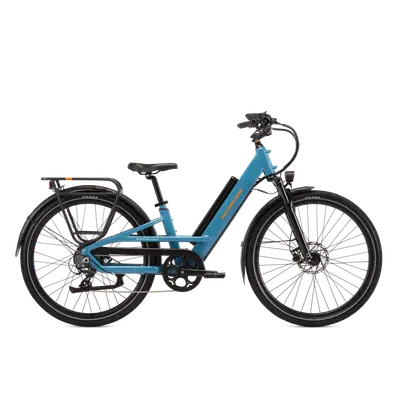
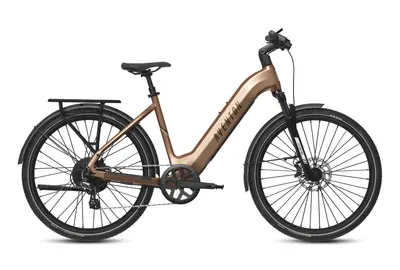
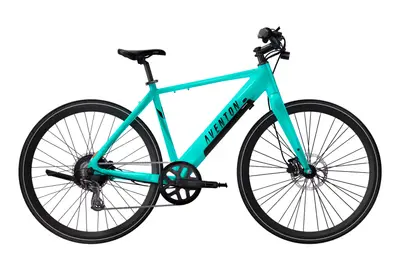
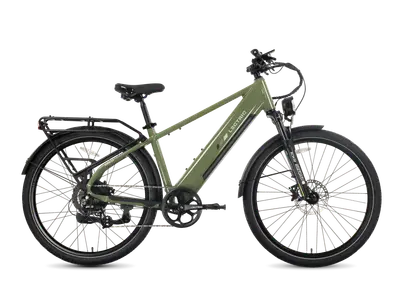
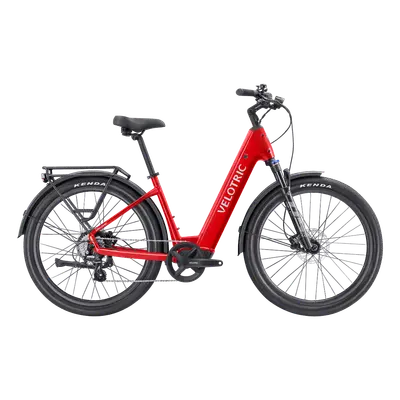
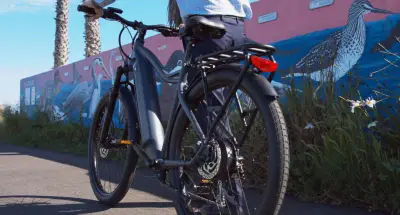
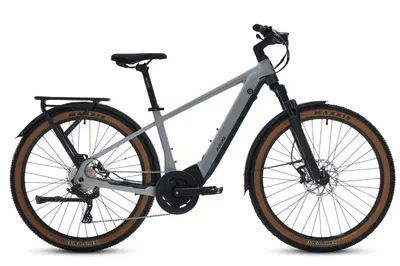
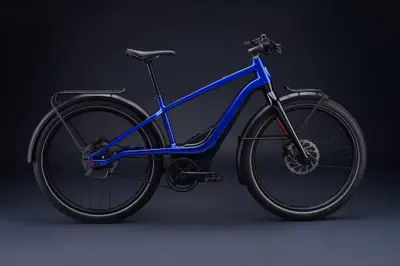
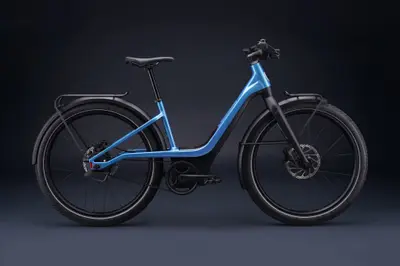
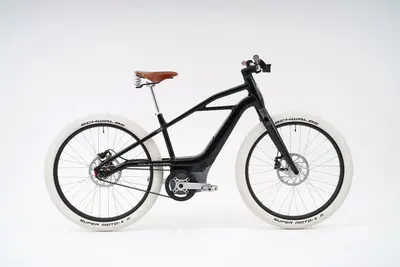
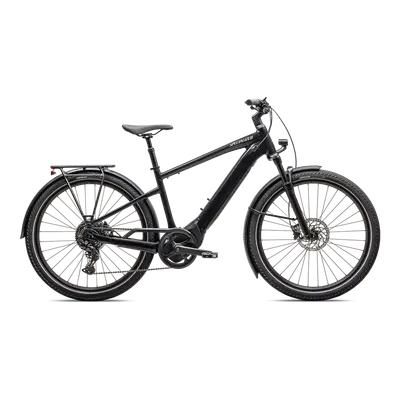
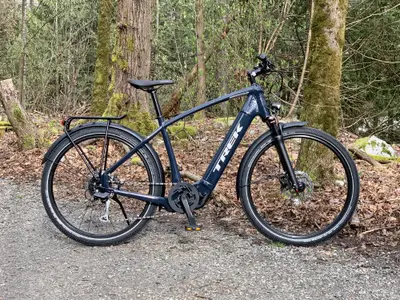
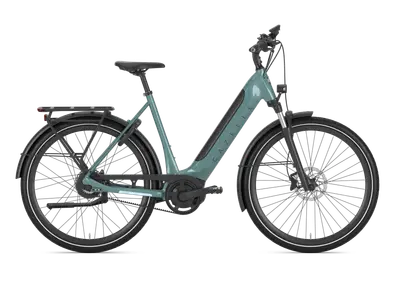
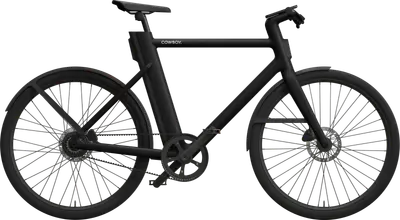
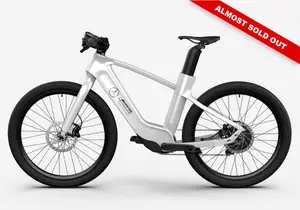
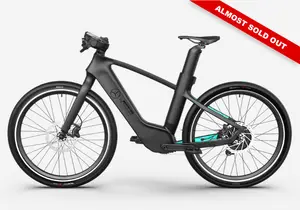
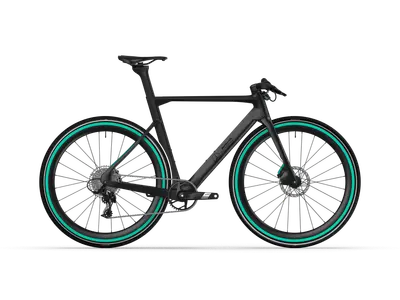
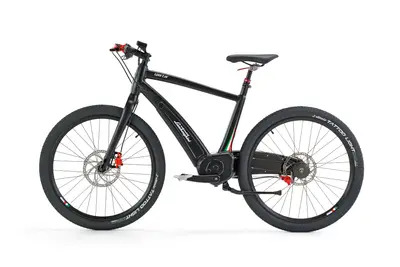
What separates a real commuter e bike from a city bike with a motor bolted on
The giveaway is what's fitted as standard, not what's offered as an accessory. Integrated lights, fenders, and a rack built into the frame mean the bike was designed around the commute. A motor and battery strapped to a regular city frame means it wasn't — and it usually shows up in the ride quality first, the range second.
Read our commuter e-bike buying guide for the full breakdown of torque sensors, range maths, and Class 2 vs Class 3 — this page is the shortlist; that one's the reasoning.
Hybrid or electric city bicycle: matching the frame to your commute
"Electric hybrid bike" and "city electric bicycle" get used almost interchangeably in this category, and for good reason: both describe an upright riding position, road-biased tyres, and a frame built for pavement rather than trail. Step-through frames trade a little frame stiffness for an easier mount, which matters more than people expect if you're commuting in work clothes.
A model like the Aventon Level 3 is a good baseline for what this category should include as standard: integrated lighting, a rack mount, and a torque-sensing mid-drive rather than a bolted-on hub motor.
The one spec worth checking before price
Torque sensor or cadence sensor — check this before you check the price tag. A torque sensor reads your actual effort and matches it smoothly; a cadence sensor just knows you're pedalling and delivers a flat, surging boost. It's the spec that decides whether the bike feels like an extension of your legs or a small motorcycle you're steering.
If storage is tight, a folding commuter bike trades some of this range for fitting under a desk or in a hallway cupboard — worth a look before you commit to a full-size frame.
Straight answers
What's the difference between a commuter e bike and a regular city bike?
A commuter e bike adds a motor and battery, plus features fitted as standard for daily riding — integrated lights, fenders, and rack mounts — rather than bolted on afterward.
Do I need a mid-drive motor for city riding?
Not strictly. Hub motors are simpler and cheaper and work fine on flat routes. Mid-drives climb better and stretch range further, which matters more if your commute has real hills.
How much does a decent commuter e bike cost?
From $1,199 for an Aventon Soltera 2.5 up to $18,700 for a Lamborghini Sporter. Most riders land between $1,500 and $3,000 for a model with a certified battery, a real warranty and support behind it.
What's the difference between a hybrid e bike and a city electric bicycle?
Mostly marketing language for the same idea: an upright, road-biased e-bike built for pavement commuting. Check the actual spec sheet rather than the category name.
Can I ride a commuter e bike in the rain?
Yes — look for a bike with a UL 2849 certified electrical system and sealed connectors, both standard on everything we carry.
How long does a commuter e bike battery last?
Around 800 to 1,000 full charge cycles to 80% capacity, roughly 3 to 5 years of normal daily use, longer with good storage habits.
Is Class 2 or Class 3 better for a daily commute?
Depends on your route and your region's rules — see PeopleForBikes for the current class definitions where you ride.
What if the bike I want isn't the right size?
Give us a shout before you order. We'll talk you through sizing rather than let you guess.