
Fastest Electric Bikes
Every bike we sell that assists to 28 mph, which is the legal ceiling for a bicycle in the US and the reason this page stops there. 27 of them, from $995 to $7,500, across 9 categories and 10 brands, sorted by price rather than by speed. They all reach the same number, so price is the only honest way to rank them.
Speeds are the manufacturer’s published assist limit. Bikes that publish no figure are not listed.
- 1-year warranty on frame, motor and battery
- Free shipping over threshold
- 14-day ride-it-and-see returns
- Dispatched within 2 business days
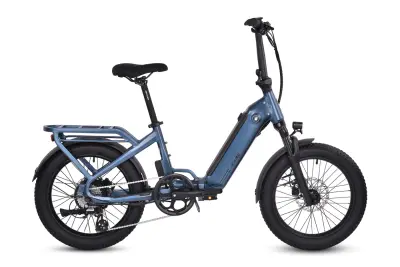
Ride1Up
Portola
64 km range
$995$846
28 mph assist
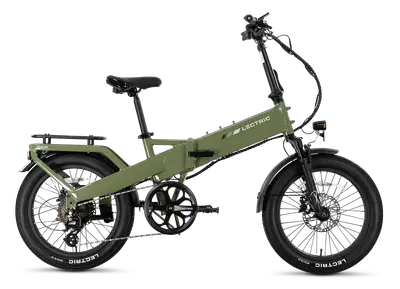
Lectric
XP4
137 km range
$1,299$1,104
28 mph assist
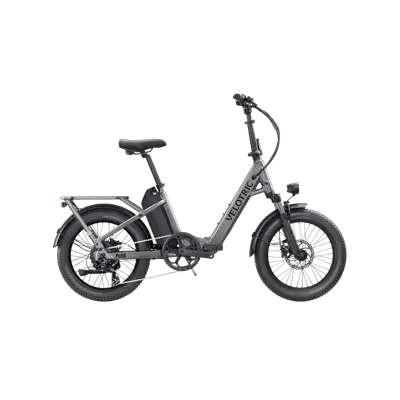
Velotric
Fold 1
109 km range
$1,299$1,104
28 mph assist
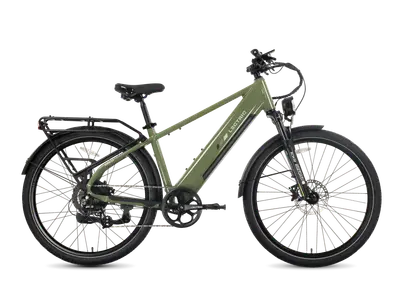
Lectric
XPress 2
97 km range
$1,399$1,189
28 mph assist
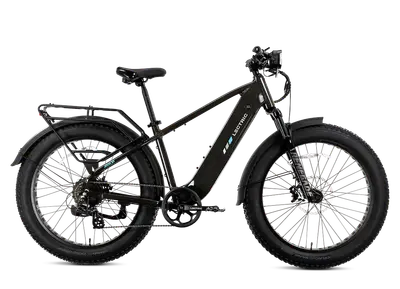
Lectric
XPeak 2
97 km range
$1,499$1,274
28 mph assist
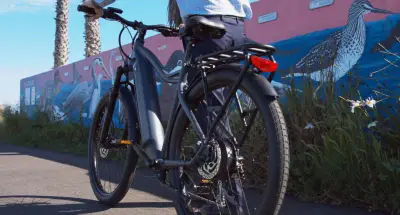
Ride1Up
700 Series
$1,595$1,356
28 mph assist
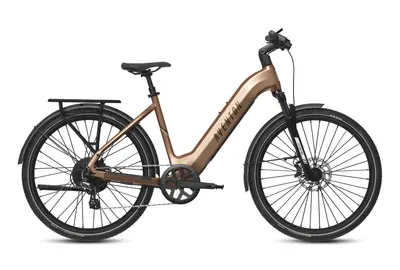
Aventon
Level 3
113 km range
$1,699$1,444
28 mph assist
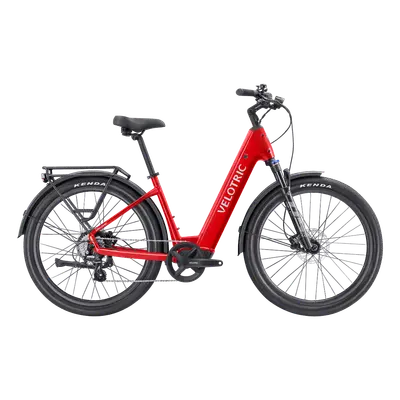
Velotric
Discover 2
121 km range
$1,699$1,444
28 mph assist
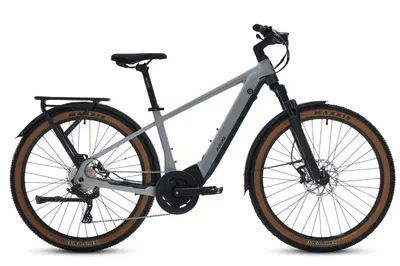
Ride1Up
Prodigy V2
90 Nm torque
$1,795$1,526
28 mph assist
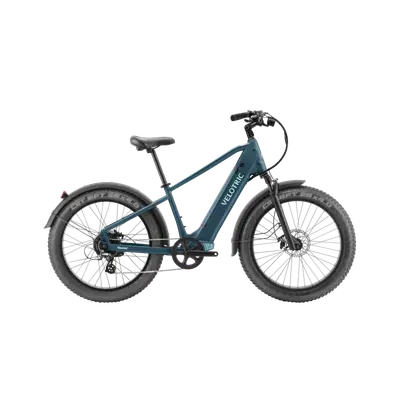
Velotric
Nomad 1 Plus
89 km range
$1,899$1,614
28 mph assist
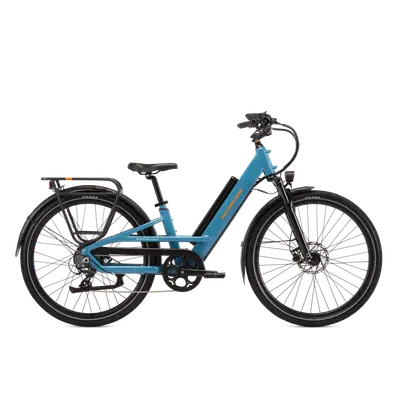
Rad Power
Radster Road
105 km range
$1,999$1,699
28 mph assist
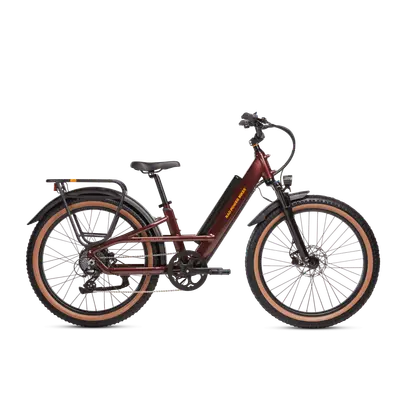
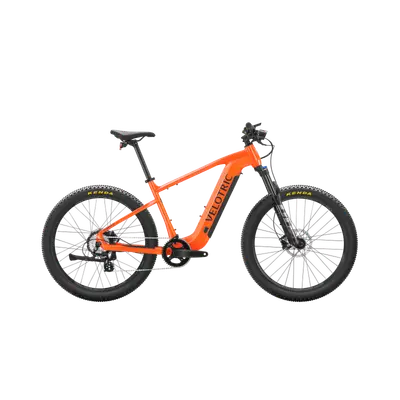
Velotric
Summit 1
153 km range
$1,999$1,699
28 mph assist
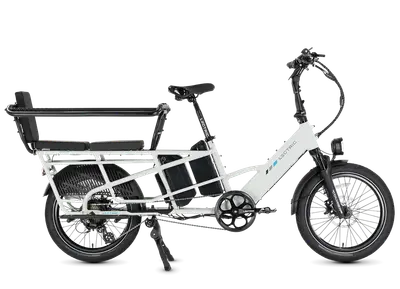
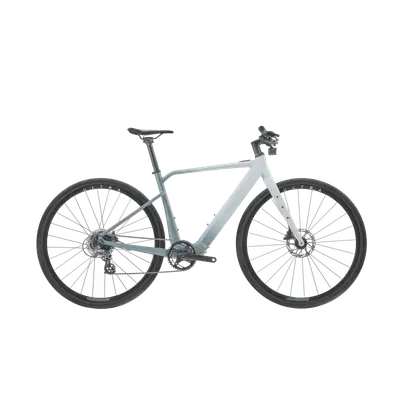
Velotric
T1
113 km range
$2,199$1,869
28 mph assist
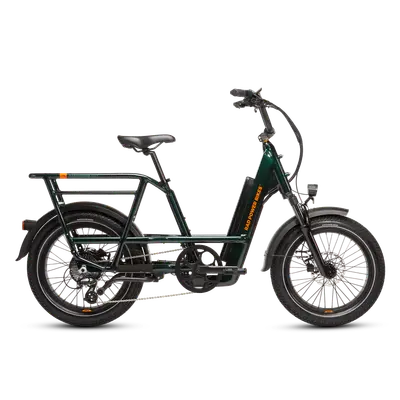
Rad Power
RadRunner Max
98 km range
$2,299$1,954
28 mph assist
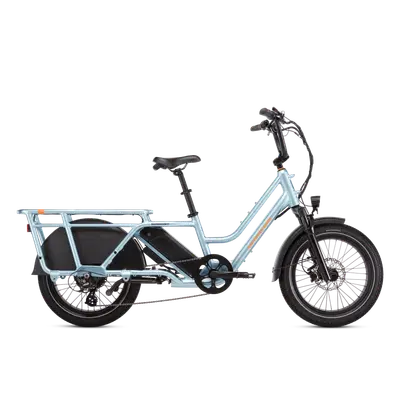
Rad Power
RadWagon 5
97 km range
$2,399$2,039
28 mph assist
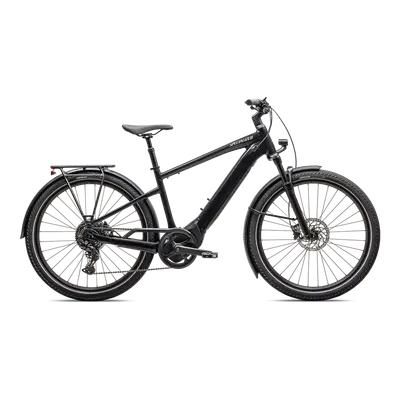
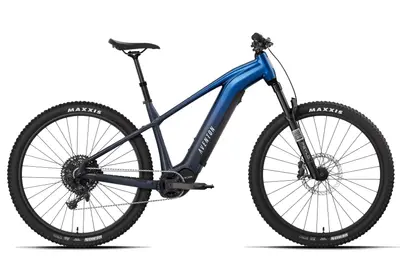
Aventon
Ramblas
145 km range
$2,899$2,464
28 mph assist
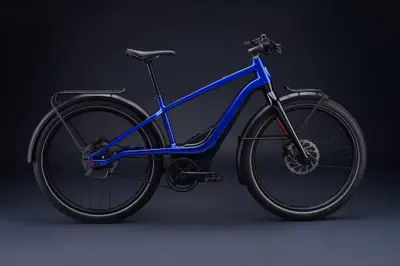
Himiway
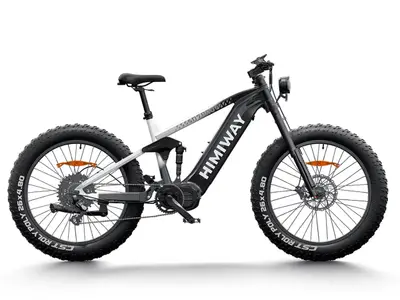
D7 Pro
129 km range
$3,999$3,399
28 mph assist
Aventon
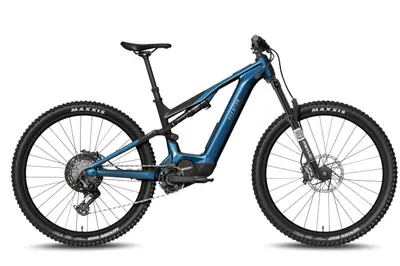
Current ADV
169 km range
$3,999$3,399
28 mph assist
QuietKat
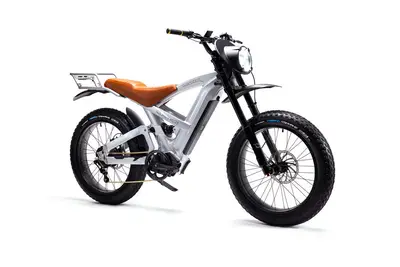
Lynx
97 km range
$4,000$3,400
28 mph assist
What is the fastest electric bike you can legally ride?
A Class 3, at 28 mph. That is not our house rule, it is where US law stops calling the thing a bicycle, and it is why every bike on this page arrives at the same number instead of competing on it.
Outside the US the ceiling is lower. The EU caps assist at 25 km/h flat, with no classes involved at all, and other markets differ again. A bike built for one market and one built for another can share a motor, a frame and a battery and still stop helping at different speeds, because the only real difference is a setting. Never take one limit as universal, and check your own region before you check the spec sheet.
The fastest e bike here, then, is whichever one you can actually hold 28 mph on, and that has more to do with your route and your riding position than with the badge. How fast ebikes actually go covers what happens past the cap, which is less dramatic than people expect.
Fast electric bike vs fast e bike: the 20 mph and 28 mph classes
There is no difference in the words. There is a large one in the classes, and it is the only distinction worth understanding before you buy.
Class 1 and Class 2 stop assisting at 20 mph. Class 3 carries on to 28. That extra 8 mph is the entire premium, and it is paid for in access rather than money: plenty of jurisdictions allow Class 1 and 2 on shared paths and exclude Class 3, and some attach a minimum age or a helmet requirement to it.
So the question is not which is faster. It is whether the roads you actually ride let you use the faster one. Our classes explainer sets out what each class permits, and it is worth ten minutes before spending anything.
Is there an e bike 35 mph or faster?
Machines exist at 35, 45 and 50 mph. None of them is legally a bicycle, and you will not find one here. A search for a 60 mph electric bike for sale ends in the same place: that is a motorcycle, and a shop listing it as a bicycle is telling you something about the shop.
They are electric mopeds and light motorcycles wearing bicycle clothing. In most places that means registration, a licence, insurance, a plate, and no legal access to a bike path or cycle lane. They can be a perfectly good thing to own, and some are excellent. They are simply not the thing the listing said, and finding that out from a police officer is the expensive way to learn it.
The same goes for the tuning kits. Derestricting voids the warranty on everything we sell, can turn your bicycle into an unregistered motor vehicle where you ride, and puts a drivetrain and a set of brakes under loads they were never specified for. If you need more than 28 mph, buy the vehicle designed and certified to do it.
What the fastest ebikes have in common, and it is not the motor
Once every bike shares a cap, wattage stops being interesting. What separates these 27 is how quickly they reach 28 mph with a rider and a load on board, and whether they hold it, and neither of those is a top-speed spec.
Torque in newton metres does the accelerating. Gearing decides whether your legs are still contributing at speed or spinning uselessly. Weight and riding position decide whether you hold 28 mph or briefly touch it: a heavy fat-tyre bike sitting you bolt upright is a barn door in a headwind, whatever the motor is rated at.
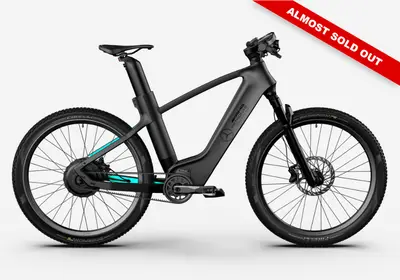
Which is why the Ride1Up Portola at $995 and the Mercedes-AMG Rallye Edition at $7,500 stop assisting at exactly the same speed. The money between them buys frame, finish, suspension and badge. It does not buy miles per hour, and any page implying otherwise is selling you something. Hub motor vs mid drive covers which one actually gets you moving.
When a fast ebike is the wrong buy
If your route is city centre and full of junctions. Your average speed is set by traffic lights, not by your cap. You will use 28 mph on perhaps four hundred metres of the ride and pay for it on all of it.
If you ride shared paths. Class 3 is excluded from a lot of them. Buying the fast bike and then not being allowed to ride it on your own commute is the single most avoidable mistake in this category.
If range matters more than speed. Holding a higher speed is the most expensive thing a battery does. If you want distance, the long range collection is a better page than this one, and the two rarely point at the same bike.
The rule of thumb: buy for the speed you will average, not the one printed on the box. Nine times out of ten a Class 1 is plenty and the money is better spent on a torque sensor, brakes that stop 25 kg repeatedly, and lights that work. If that sounds like your ride, the commuter range is where to look instead, and we would rather point you there than sell you the fast one.
Straight answers
What is the fastest electric bike you can legally ride?
A US Class 3, capped at 28 mph. That is the ceiling for anything the law still treats as a bicycle, and every bike on this page sits at it. In the EU the ceiling is lower again at 25 km/h, with no classes involved.
What is the fastest e bike here?
They tie. Every bike on this page assists to the same 28 mph, because that is the legal limit rather than an engineering one. What separates them is how quickly they reach it with a load or a hill involved, which is a torque question, not a top-speed one.
Is there an e bike 35 mph or faster?
Machines exist at 35, 45 and even 50 mph, and none of them is legally a bicycle. They are electric mopeds or light motorcycles, which in most places means registration, a licence, insurance, a plate and no access to bike paths. We do not sell them as e-bikes because they are not e-bikes.
Where do I find fast e bikes for sale that are actually legal?
Right here, and the honest framing is that fast electric bikes for sale top out at 28 mph if they are bicycles. Anything advertised above that is a moped or a light motorcycle being sold under the wrong label, and the price rarely reflects the registration and insurance you will owe on it.
What makes a fast electric bike fast?
Almost nothing on the spec sheet, once every bike shares a 28 mph cap. What differs is how fast you get there and whether you hold it: torque in newton metres, the gearing, the weight, and how upright you sit. A rider on a heavy fat-tyre bike will not hold 28 mph for long regardless of the motor.
Are Class 3 ebikes allowed on bike paths?
Often not. Plenty of jurisdictions welcome Class 1 and Class 2 on shared paths and exclude Class 3 outright, and some add a minimum age or a helmet requirement. Check your own route before buying the fast one, because being unable to ride it where you ride is a miserable way to spend money.
Do fast ebikes have less range?
Yes, and it is not marginal. Holding a higher speed is the most expensive thing a battery ever does, because air resistance climbs steeply with speed. Real-world range runs 45 to 110 km across our range, and the top of that band is not achieved at 28 mph into a headwind.
Can you make an ebike go faster than 28 mph?
Tuning kits exist and we would not fit one. Derestricting voids the warranty on every bike we sell, can reclassify your bicycle as an unregistered motor vehicle, and loads a drivetrain and brakes past what they were specified for. If you genuinely need more, buy a vehicle certified for it.