
Off-Road Electric Bikes
Built for terrain that would end a commuter bike's motor in a season. This range covers the all terrain electric bike on fat tyres, purpose-built hunting rigs with serious payload, and at the top a small number of bikes that exist because someone wanted to build them. Prices run from $1,499 to $19,300, which is the widest spread on the site.
Price range: $1,499–$19,300
- 1-year warranty on frame, motor and battery
- Free shipping over threshold
- 14-day ride-it-and-see returns
- Dispatched within 2 business days
13 bikes
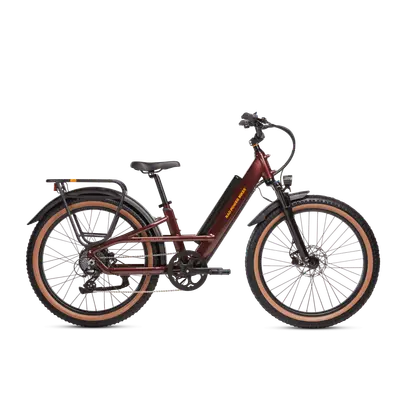
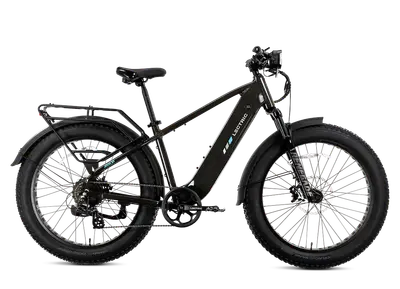

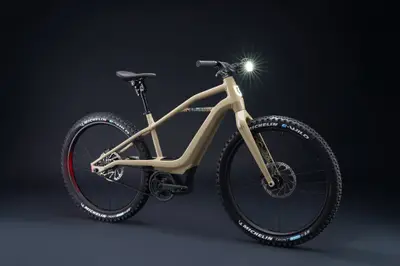
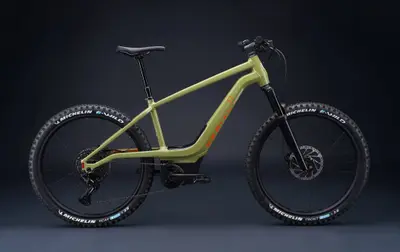
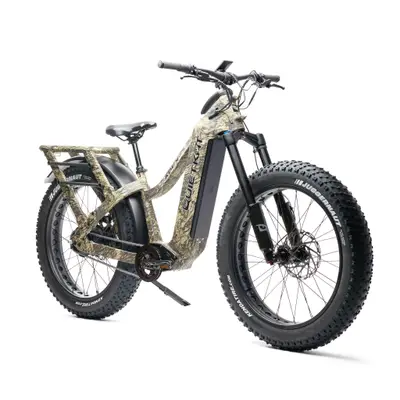
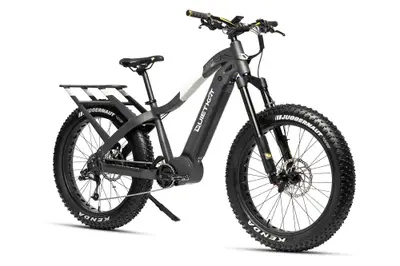
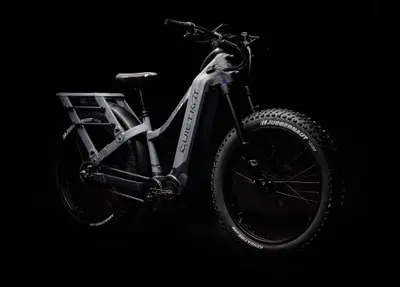
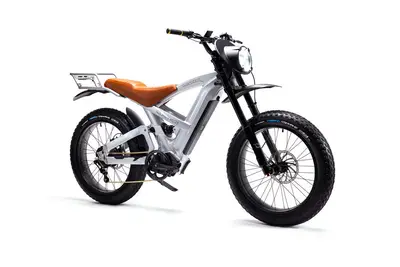
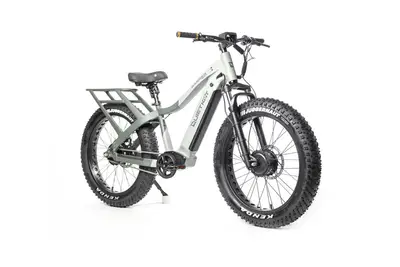
Fat tyres are about float, not toughness
A 4-inch tyre spreads your weight over more ground, so it floats on sand, snow and loose gravel instead of digging in. That is the actual job. It is not that fat tyres are harder to puncture.
The cost is rolling resistance and range. More rubber on the ground means more energy to move it, which is why fat-tyre bikes quote lower range than city bikes with the same battery. If your ground is firm, you are paying for grip you will not use.
Hunting rigs are a different specification
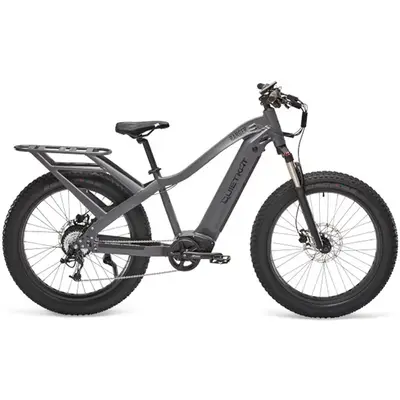
The QuietKat range is built around a job most bikes never do: getting a rider plus equipment deep into rough country quietly, then carrying weight back out. Six of the 13 bikes here are QuietKats, from the Ranger XR at $2,500 to the Apex XD at $6,350, and that job shows up as high payload ratings, mid-drive options and 1000 W motors rather than 750 W.
The spec that matters there is the one nobody advertises: what it carries on the way back, loaded, uphill, at walking pace. Top speed is irrelevant to it. If that is the job you are buying for, our hunting range is the narrower page, including the legal question a 1000 W motor raises before you order.
Worth knowing before you buy: a 1000 W motor is not classed as an electric bicycle everywhere, and may not be legal on bike paths or public roads in your area. Check your local rules first, because this is the category where that question actually bites.
What makes an off road ebike different from a normal one
Three things, and none of them is the motor. Tyre volume, so it floats rather than digs. Frame and wheel strength, because rough ground loads a bike in ways tarmac never does. And sealing, since an electric off road bike spends its life in dust, water and grit that a commuter never meets.
That is why an offroad ebike costs more than a city bike with the same battery and motor. You are paying for the parts that do not appear on a spec sheet: bearings, seals, spoke count and a frame built for repeated impact. The headline numbers are the least interesting thing on the page.
It is also why the cheapest bike here, the Lectric XPeak 2 at $1,499, is a genuinely good buy for fire roads and gravel and the wrong tool for a week in the backcountry. Both facts are true at once, and which one applies is a question about your ground rather than your budget.
The top of this range, honestly
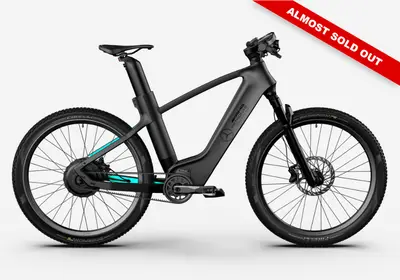
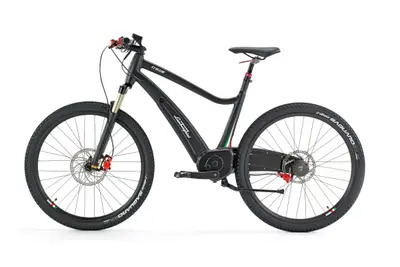
The Mercedes-AMG Rallye Edition at $7,500 and the Lamborghini Crosser at $19,300 sit at the top of this page, and we are not going to dress up what they are. They are well-built bikes carrying names that cost money, made in small numbers.
Nobody needs one. But then nobody needs most good things, and a bike you enjoy looking at is a bike you ride more. If that is why you are buying, it is a perfectly honest reason and we would rather sell you the one you actually want than talk you into a sensible bike you leave in the shed.
What we will say is this: buy them because you want them, not because you expect the extra money to make the trail easier. A QuietKat Apex Pro at $3,499 will go anywhere the expensive ones go.
When an off road electric bike is the wrong buy
If most of your riding is tarmac with a gravel path at the end of it, this is the wrong category. A fat tyre costs you rolling resistance and range on every metre of road you cover to reach the bit you bought it for, and a city bike with wider tyres does that trip better and cheaper.
If you need it road legal everywhere you ride, check before you order rather than after. Four of the bikes here run 1000 W motors, and a 1000 W motor is not classed as an electric bicycle in plenty of places. That is a purchase-blocking detail in this category specifically, and it is the one people find out about last.
And if the honest answer is that you want one because it looks capable, that is fine and we would rather you said so. Just buy at the price where that is true, because the trail cannot tell what you paid.
Straight answers
What is the best off road electric bike?
Depends entirely on the ground. For soft sand and snow, fat tyres matter most. For steep technical climbing, a mid-drive matters most. For carrying equipment into backcountry, payload and motor power matter most. There is no single answer and anyone giving you one is guessing.
What is the best hunting ebike?
Judge it on payload and quiet torque rather than speed. The QuietKat range is built for exactly this, from the Ranger XR at $2,500 to the Apex XD at $6,350, and the mid-drive models climb loaded ground better than any hub motor at the same price. Check your local rules on 1000 W motors before ordering.
Is an off road ebike worth it over a normal electric bike?
Only if you ride rough ground regularly. What you are buying is tyre volume, frame and wheel strength and proper sealing, none of which shows on a spec sheet. On tarmac all three cost you range and speed, so an offroad ebike ridden mostly on roads is a worse commuter than the cheaper bike it replaced.
Are 1000W electric bikes street legal?
Often not. Many places classify a 1000 W motor as something other than an electric bicycle, which can mean it is not allowed on bike paths or public roads without registration. Rules differ by country and by state, so check yours before ordering.
Is an expensive off-road ebike worth it?
For capability, past about $3,500 you are into diminishing returns and a QuietKat Apex Pro will go where the exotic bikes go. Above that you are buying build quality, materials and the badge. That is a legitimate thing to want, just do not expect it to change what the bike can climb.