
Lukas Vogt · Germany · 11 min read
Electric Bike Company: How to Pick a Good One
Published 2026-08-08
TL;DR
Short version: a real electric bike company has a UL 2849-certified electrical system, a written warranty covering frame, motor, and battery separately, a stated policy on spare parts, and reviews you can actually verify. If a listing can't answer those four questions in writing, it isn't a company yet — it's a shipping label.
I've taken more e-bike motors apart than I'd admit to my partner, and the pattern is always the same. The bike that dies at fourteen months was never really sold by a "company" — it was sold by a warehouse with a logo. (The company part, the bit that answers emails and stocks a replacement battery, was never there to begin with.)
Picking the right electric bike company matters more than picking the right model, because the model is only as good as the business standing behind it. Here's what actually separates the two, in the order I'd check them.
What actually separates a real company from a box-mover
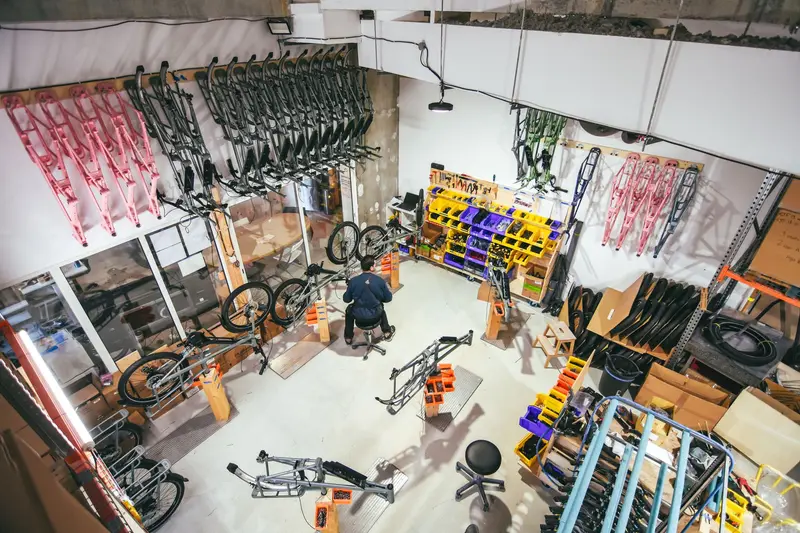
Four things, and none of them are the paint job. Design and engineering: did they build the frame and tune the motor, or license a generic platform and slap a logo on it? Quality control: is there an actual inspection step before a bike ships? Business model: do they plan to exist in three years, or is this a single container's worth of stock and a landing page? Post-purchase support: when the battery needs replacing, is there a real person and a real part number, or a shrug?
None of this shows up in the product photos. It shows up in the warranty page, the spare-parts page, and (this is the underrated one) how fast someone replies to a pre-sale question about battery certification. If they can't answer that in a day, they won't answer a warranty claim any faster.
UL 2849 — the one checkbox that isn't marketing
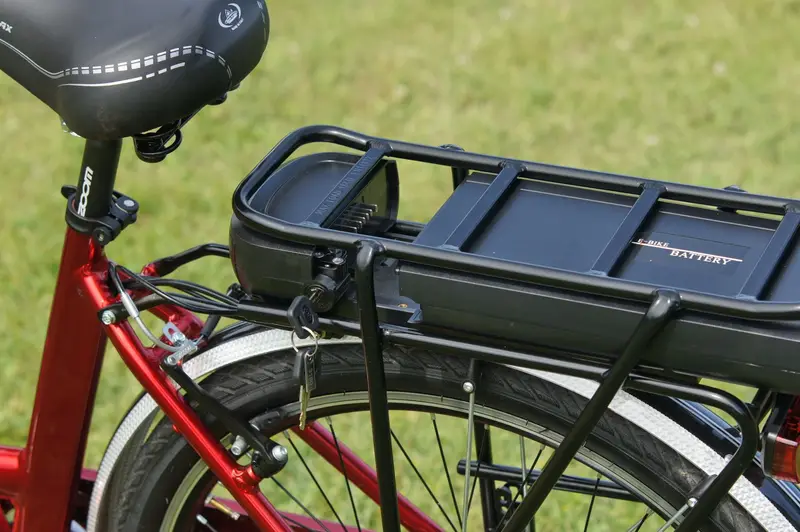
Most spec sheets are marketing dressed as data. UL 2849 isn't — it's a third-party lab testing the whole electrical system (battery, charger, and motor controller together) against overcharge, short circuit, crush, and thermal runaway, and it has to survive all of it without fire or explosion to pass.
The regulatory backdrop matters too: the CPSC's bicycle safety requirements set the baseline for what a bicycle sold in the US has to meet before it's even legal to sell, separate from the electrical certification. A company that mentions neither on its own site is a company that hasn't thought about either.
Warranty terms that actually mean something

"Warranty included" is not a warranty term. What you want in writing: coverage split by part (frame, motor, battery each stated separately, since batteries degrade differently to frames), a real duration in years rather than "limited", and a battery capacity guarantee (the one nobody asks about). Ours is 60% of rated capacity retained at one year; if a company won't commit to a number like that, they're hoping you won't ask again after the sale.
A one-year warranty on a two-thousand-dollar bike is a company telling you, politely, how long they expect the relationship to last.
Parts availability — the question everyone forgets to ask

Nine out of ten "my e-bike died after a year" stories aren't a manufacturing failure. They're a $600 mystery-brand special, shipped from nowhere, with a battery that fails and a part number that was never made twice. The frame's fine. The company that could sell you a new pack simply doesn't exist anymore, or never really did.
Ask, before you buy: if the battery dies in year three, can I actually buy a replacement, from this company, at a real price? If the answer is vague, that vagueness is the product.
Reading reviews without getting played

Star ratings on a brand's own site are close to meaningless — nobody ships you a bike and asks you to leave a bad review on their homepage. What's more useful: independent forum threads a year or two old, where the early buyers are now the ones with a failure or two to report. A bike with glowing week-one reviews and silence after month twelve has told you everything, just slowly.
(If you find yourself reading a forum thread from 2019 about a battery recall at 11pm, welcome. That's basically my Tuesday.)
The test ride and return window as the real test
A company confident in its own bike will let you ride it and send it back. Ours is 14 days, ride-it-and-see, with a free return label if it's not the one. A company that makes returns painful, slow, or expensive isn't protecting itself from fraud — it's protecting itself from you noticing too late.
The length of a return window is a company telling you, in one number, how sure it is about its own product.
When to walk away

If a company won't put battery certification, warranty terms, and a returns policy in writing before you pay, walk away — no matter how good the price looks. Especially because of how good the price looks. That gap between the price and the paperwork is exactly where the $600 bike that died lives.
Straight answers

Which electric bike brands are actually worth buying?
The ones still making a replacement battery for a frame they sold four years ago. That single test sorts the electric bike brands worth buying from the ones that will be a logo on a dead bike, and it is easier to check than any review score.
How to choose an ebike brand without guessing
Check four things in this order: certified cells, a published warranty with terms rather than a number, a parts catalogue you can actually browse, and a returns window. A brand that clears all four is a safer buy than a better-specified bike from one that clears none.
What is a UL certified ebike?
One whose battery and charging system have been tested against UL 2849 by an independent lab rather than self-declared by the seller. It is the one checkbox on this page that is not marketing, because it is the standard that addresses the failure mode nobody wants.
Who are the best electric bike manufacturers?
There is no single answer, and anyone giving you one is ranking affiliate payouts. The manufacturers worth your money are the ones certifying their packs, stocking their parts and answering after the sale. Judge on those three rather than on who has the loudest launch video.
What certification should an e-bike battery actually have?
UL 2849 for the electrical system as a whole — battery, charger, and controller tested together, not just the battery cell on its own.
Is a longer warranty always better?
A longer, specific warranty is better. Watch for vague terms like "limited" with no years attached — that's not the same as a stated 2-year cover on frame, motor, and battery.
Should I buy from a brand with no physical store?
Plenty of good ones are online-only, us included. What matters is real support and stocked parts, not a shopfront — an online company can service what it sells just as well as one with a storefront, sometimes better.
How do I check if spare parts are actually available?
Ask before you buy, in writing. A company that can quote you a battery replacement price and timeline today can probably still do it in three years.
Are cheaper unknown brands ever worth the risk?
Sometimes the bike is fine and you got lucky. The problem is you can't tell in advance, and the failure mode (a dead battery with no replacement) is expensive and total, not a minor inconvenience.
Lukas Vogt
Mechanical-engineering background; will explain torque sensors until you beg him to stop.
Keep reading
Browse the range
Still not sure which one? Give us a shout.