
Marcus Hale · US · 13 min read
Ebike Cost: What You Really Pay to Own One
Published 2026-08-15
TL;DR
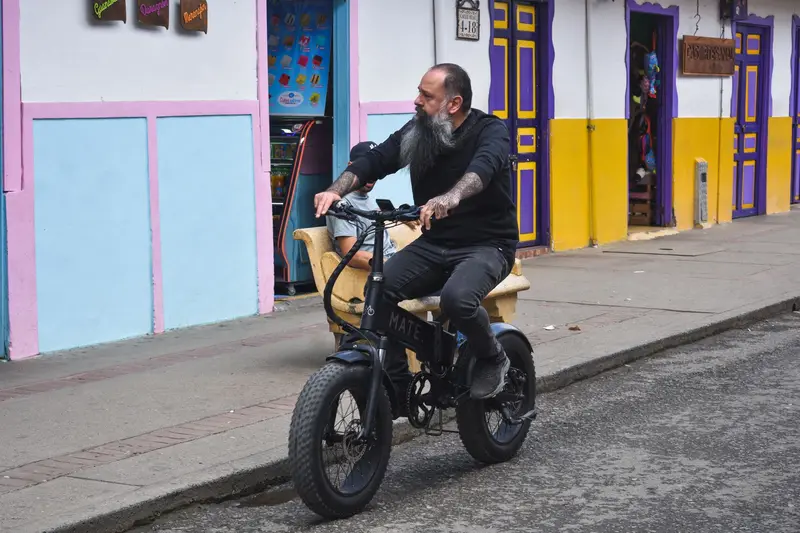
Short version: a genuine e-bike starts around $1,199 and runs to $11,990 depending on category, and the sticker price is maybe sixty percent of the real story. Charging costs roughly $0.12 to $0.20 a full charge, upkeep runs from free to a few hundred dollars a year depending on how much you do yourself, and a replacement battery is $500 to $700 when the original wears out. Buy on total cost of ownership, not the number on the box, and don't pay for more bike than your actual trip needs.
Ask five people about ebike cost and you'll get five different numbers, because most of them are quoting the sticker price and ignoring everything that happens after checkout. The honest answer has three parts: what you pay to buy it, what you pay to keep it running, and what you pay when something eventually wears out. Only the first one shows up on the product page.
I track every dollar a bike saves me against the car I don't own anymore, which makes me the wrong person to ask for a quick answer and the right person to ask for an honest one. (My spreadsheet has tabs. I'm aware of how that sounds.) Here's the full breakdown: what actually moves the price, what it costs to keep riding, and where people quietly overspend without meaning to.
What actually changes the price
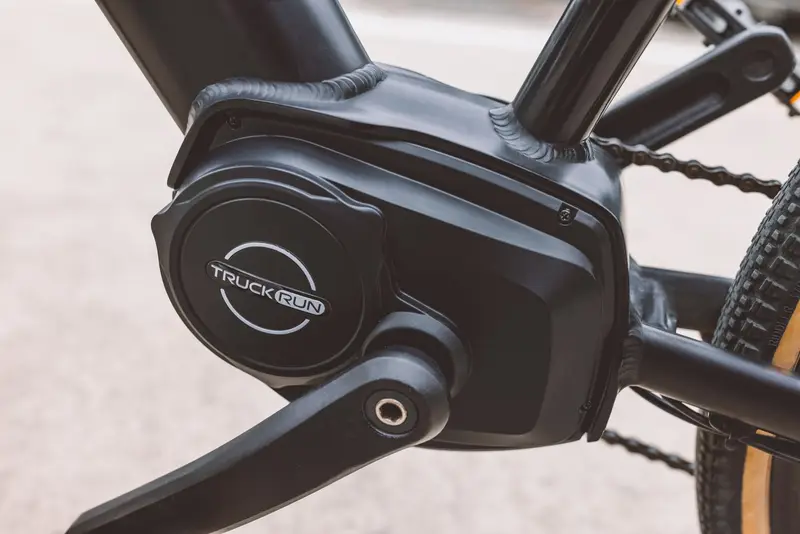
The motor is the biggest lever, but not in the way most listings imply. Wattage is the number every spec sheet shouts loudest, and it's the one that tells you the least — a well-tuned 250 W mid-drive will out-climb a crude 750 W hub on a real hill, because torque and how the motor delivers it matter more than the peak figure printed in size 40 font.
Torque sensing versus cadence sensing moves the price too, and it barely shows up on the sheet at all. A torque sensor reads your actual effort and costs more to build in; a cadence sensor is simpler and cheaper, and delivers a flatter, less natural boost. Our commuter guide covers that trade-off in full — worth a read if it's the deciding factor for you.
Drivetrain, brakes, and frame material are the boring reason two bikes with near-identical motors can differ by five hundred dollars. Hydraulic disc brakes cost more than mechanical ones and work better wet. A belt drive costs more than a chain and needs far less looking after. None of it makes headlines. All of it is where the price actually goes.
Battery capacity, measured in Wh, drives more of the sticker price than anything else under the frame. If range is the thing you are actually shopping on, our long range electric bikes page lists every model we sell that publishes 120 km or better. A bigger pack buys more range and adds cost in roughly a straight line, which is exactly why buying more battery than your trip needs is the easiest way to overpay. More on that a bit further down.
Ebike cost by category, in honest bands
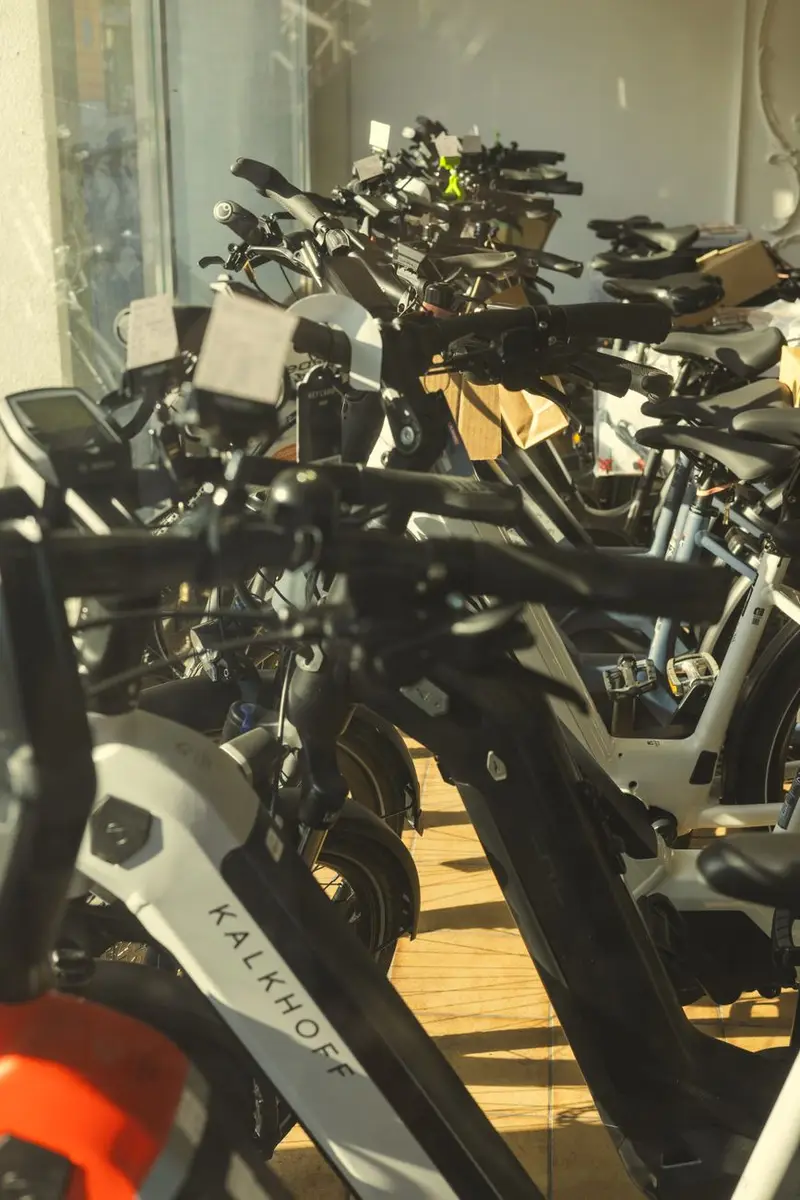
A genuine e-bike, certified battery, real warranty, a company that'll answer a question about it, sits in a band by what it's actually built to do, not one number for the whole market. City and commuter bikes run $1,199 to $5,999, the volume seller, with belt-drive options at the top of that. A model like the Aventon Soltera 2.5 sits near the bottom of that band and still ships with a certified battery and a real warranty — the low end of genuine, not the low end of a marketplace listing.
Folding bikes are the cheapest way in at $799 to $1,899, trading some range for fitting under a desk. Cargo and family bikes run $1,999 to $7,999, because you're paying for a longer frame, a bigger battery, and a motor built to move more than just a rider.
eMTBs run $1,999 to $11,990, climbing fast once full suspension gets involved. Gravel and adventure bikes sit lighter, $2,199 to $8,295, with smaller motors doing less work per kilometre.
None of those bands are ride-away pricing dressed up to look cheaper than it is. They're the honest range for a bike that's still running in three years, not the number a marketplace listing uses to get you to click. If a listing undercuts the bottom of its category's band by a few hundred dollars, that's not a deal — check what actually separates a real company from a box-mover before you take the discount at face value.
Ebike cost of ownership: the running costs nobody puts on the sticker
Charging is the cheapest line item by a wide margin. A typical 500 Wh pack costs roughly $0.12 to $0.20 per full charge, electricity, nothing else. Ride it daily for a year and you'll still spend less on power than most people spend on fuel in a single month.
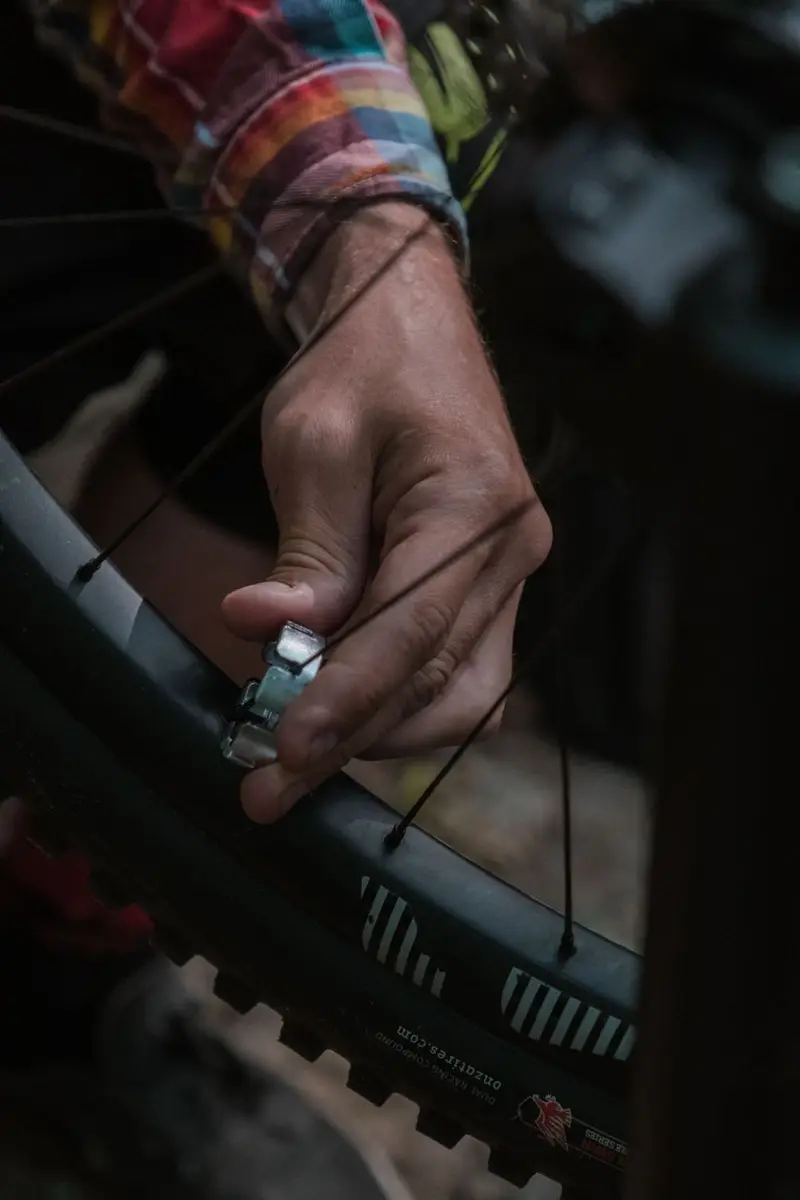
Maintenance is the one that actually varies by rider. We hand over a home tune-up kit and a video guide for free, because teaching the five-minute basics (tyre pressure, chain lube, a brake check, sensible battery storage) costs us nothing and saves you a callout. Skip it, and a partner-workshop service voucher starts from $70 for the jobs worth leaving to someone with a torque wrench and a stand.
The big one, eventually, is the battery itself. It's rated for roughly 800 to 1,000 full charge cycles before it drops to 80 percent capacity, which is three to five years of normal use. A brand-matched replacement with genuine cells, the kind covered in our accessories guide, runs $500 to $700 when it finally wears out.
An extended warranty, another two years on top of the standard cover, runs $150 to $300. Worth pricing against a spare battery before deciding which one to buy first — if you're already leaning toward replacing the pack around year four, the extended warranty is solving a problem you weren't going to have.
E-bike vs car: the real math
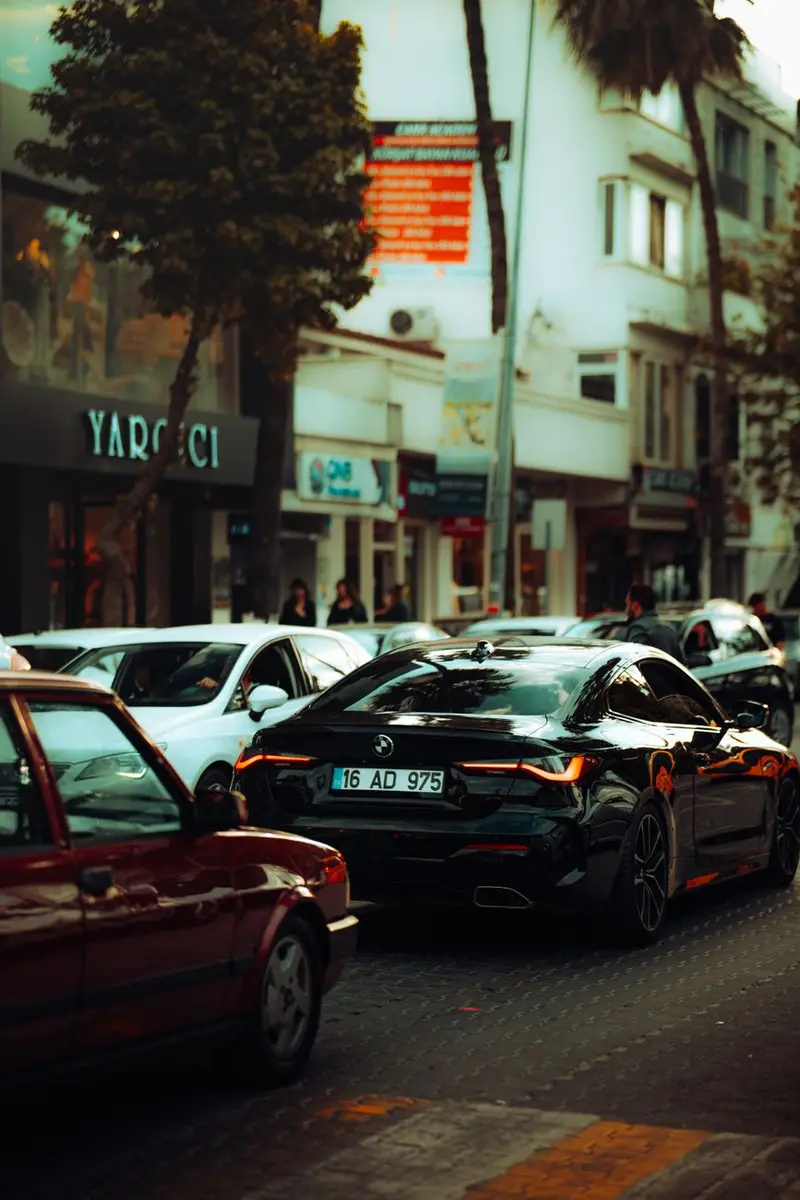
Cost per 100 km ridden works out to roughly $0.10 in electricity. The same distance by car runs $8 to $15 depending on fuel and how the trip goes, which puts the gap somewhere between eighty and a hundred and fifty times, not a rounding error, the kind of number an accountant circles twice.
CO2 tells a similar story: effectively zero at the bike, against roughly 18 to 25 kg for the average car over the same 100 km. That's not a marketing figure. It's the arithmetic of not burning fuel to move one person a few kilometres to a desk.
None of this makes a car pointless. A cargo bike doesn't replace a four-passenger trip with a fortnight of luggage, and I won't pretend it does. What it replaces is the short, repeatable stuff, the commute, the school run, the grocery run, the trips a car is a genuinely expensive way to make. If you want to run the exact math on your own vehicle rather than take my word for the shape of it, the US Department of Energy's vehicle cost calculator does the per-mile comparison properly.
Most riders are surprised by the number once they actually run it, honestly, on their own trip, rather than trusting a stranger's spreadsheet.
The cheap bike that costs more

Here's the opinion part, and I'll back it with the numbers above rather than a hunch: total cost of ownership is the number that actually matters, and it rarely matches the number on the box. A $600 mystery-brand special looks like the deal right up until the battery gives up in eighteen months and there's no replacement pack made for it. At that point you're not looking at a repair bill. You're looking at a very heavy normal bike, plus the full price of a real one, on top of what you already spent.
Compare that to a genuine model backed by a 1-year warranty on frame, motor, and battery, with the battery guaranteed to hold 60 percent of its rated capacity at the one-year mark. That's not a nicer way of saying the same thing as a marketplace listing's vague warranty promise. It's a specific number a real company puts in writing, because they expect to still exist when you need it — check for a system certified to UL 2849, the standard that tests the whole electrical system under abuse, not just the cell in isolation.
The price you pay at checkout isn't the cost you carry. A cheap bike with no support line and a dead battery in eighteen months is the expensive option. You just pay for it later, in a lump, with no bike to show for it in between.
Buying more bike than your trip needs
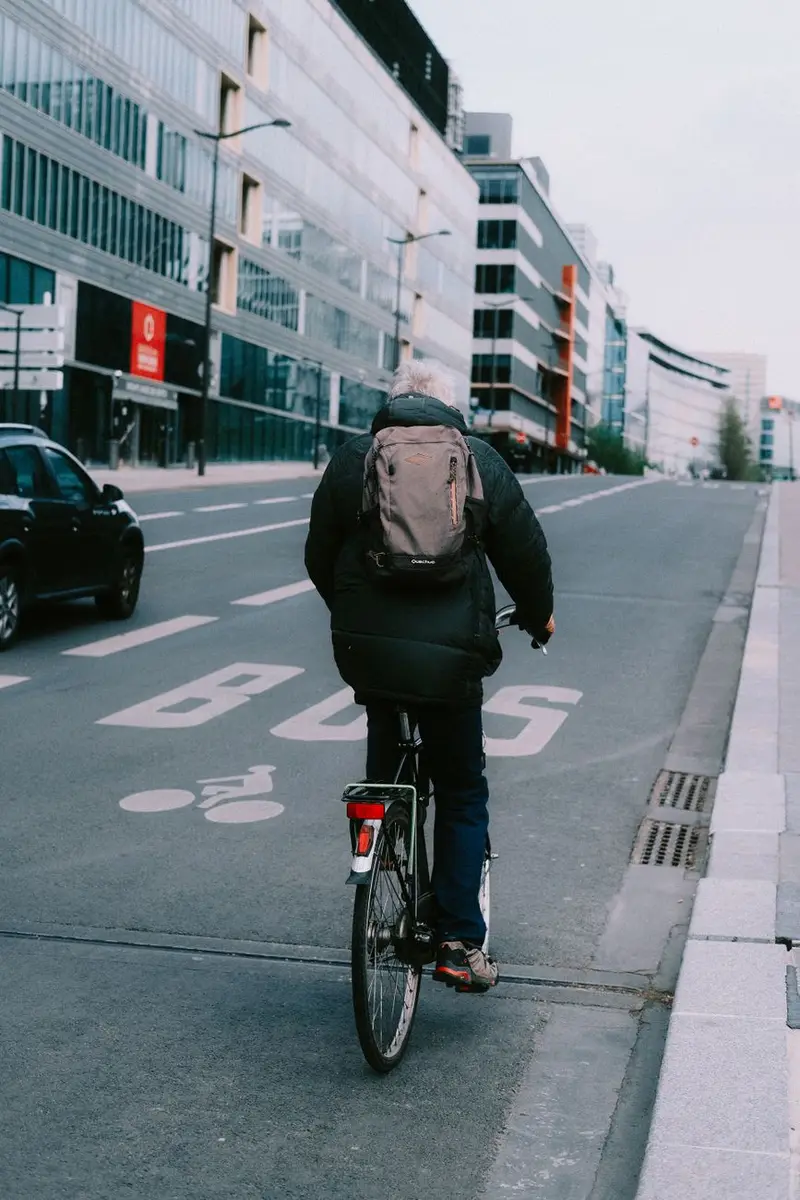
Here's the section every price guide skips, because talking a reader down from a bigger cart doesn't help anyone's numbers. Nine times out of ten, the fastest way to overspend on an e-bike isn't the model, it's the battery.
A customer of ours paid a real premium for a 140 km range model to cover a 12 km commute. Lovely bike. They were carrying a heavier pack they charged once a week and never came close to emptying, on a bike that cost two grand more than the one that actually fit the trip. We told them. They swapped, and thanked us for the two grand back.
Work it out from your actual round trip, not the biggest number on the spec sheet: one-way distance, doubled, plus a buffer for a bad-weather day or a detour you didn't plan on. A 12 km commute doesn't need a 140 km battery any more than a studio apartment needs a walk-in wardrobe built for a family of six.
If your riding is genuinely long-range, a rural commute, a job that means real distance every day, the bigger battery earns its keep and its price. Most riders aren't that rider. Buy for the trip you actually take, not the one you imagine taking on a good day.
Budgeting by what you actually ride
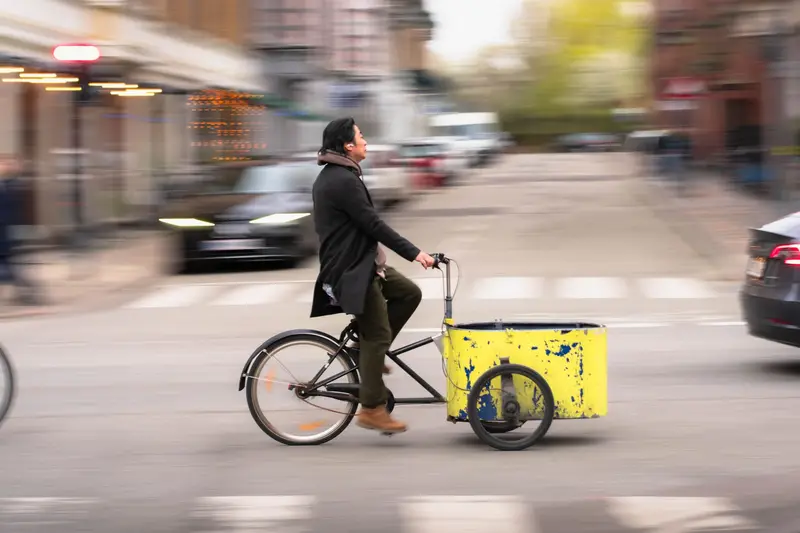
Match the budget to the category before you fall for a spec sheet. A commuter or city bike, footpath to footpath, sits at the bottom of the range for a reason: it's carrying the least battery and the simplest motor for the job.
A cargo bike costs more because it's doing more work: a longer frame, a bigger battery, and a motor built to move a loaded rack, not just a rider. If you're replacing a car's worth of school runs and grocery trips, a cargo bike earns the higher number in a way a commuter model never could for that job.
If storage is the constraint rather than the terrain, a folding bike trades some range and frame stiffness for fitting under a desk, and it's priced closer to a commuter than a cargo bike for exactly that reason.
Compare the battery, the warranty, and who actually answers the email before you compare the price tag. The bike that wins on all three is worth the gap. The one that doesn't wasn't actually cheaper — it was just quieter about the difference.
Straight answers

How does ebike pricing actually work?
You are mostly paying for the battery, the motor and the parts that stop you, in that order. Frame material and finish come next, and the badge after that. Two bikes at the same price can differ enormously in where that money went, which is why comparing a spec sheet beats comparing a price.
How much does an ebike cost?
A genuine e-bike runs from about $1,199 for a city or commuter model up to $11,990 for a full-suspension eMTB, depending on category. Cargo and family bikes land in between, $1,999 to $7,999, because of the bigger frame, motor, and battery.
Is an ebike cheaper than a car in the long run?
For short, repeatable trips, yes, by a wide margin. Riding 100 km costs roughly $0.10 in electricity against $8 to $15 for the same distance by car, and that gap compounds every week you're not paying for parking on top of it.
What's the biggest ongoing cost of owning an e-bike?
Eventually, the battery. It's rated for 800 to 1,000 full charge cycles, three to five years of normal use, and a brand-matched replacement with genuine cells runs $500 to $700 once it wears out.
What is the cost to charge an ebike?
About $0.12 to $0.20 for a full charge of a typical 500 Wh pack. Ride it daily for a year and you'll still spend less on electricity than most people spend on fuel in a single month.
Are cheap e-bikes worth buying?
Below the honest price band for a genuine bike in its category, you're usually not buying cheaper, you're buying a different, worse thing: an uncertified battery, no spare parts, and no one to call when it fails. Nine out of ten "my e-bike died after a year" stories are exactly that bike.
How long do ebike batteries last?
800 to 1,000 full charge cycles before the pack drops to about 80% of its rated capacity, which is three to five years of normal daily use. Storage habits move that number more than mileage does: keep it between 20% and 80% for long storage and out of the cold.
What is the real ebike maintenance cost?
Not if you learn the five-minute basics: tyre pressure, chain lube, a brake check, and sensible battery storage. Skip it, and a partner-workshop service voucher starts from $70 for the jobs worth leaving to a mechanic.
How much more does a cargo e-bike cost than a commuter model?
About $800 more at the low end. Commuter and city bikes start at $1,199; cargo and family bikes start at $1,999, because they're carrying a bigger battery and a motor built to move more than a rider.
Is it worth paying extra for a longer-range battery?
Only if your actual trip needs it. Work it out from your round trip plus a buffer, not the biggest number on the spec sheet — most riders pay for range they charge once a week and never come close to emptying.
Marcus Hale
Sold his second car in 2019 and hasn't looked back; tracks every cent a bike saves him.
Keep reading
Browse the range
Still not sure which one? Give us a shout.