
Dave Whitmore · Australia · 14 min read
Electric Fat Tire Bikes: What They're For
Published 2026-08-14
TL;DR
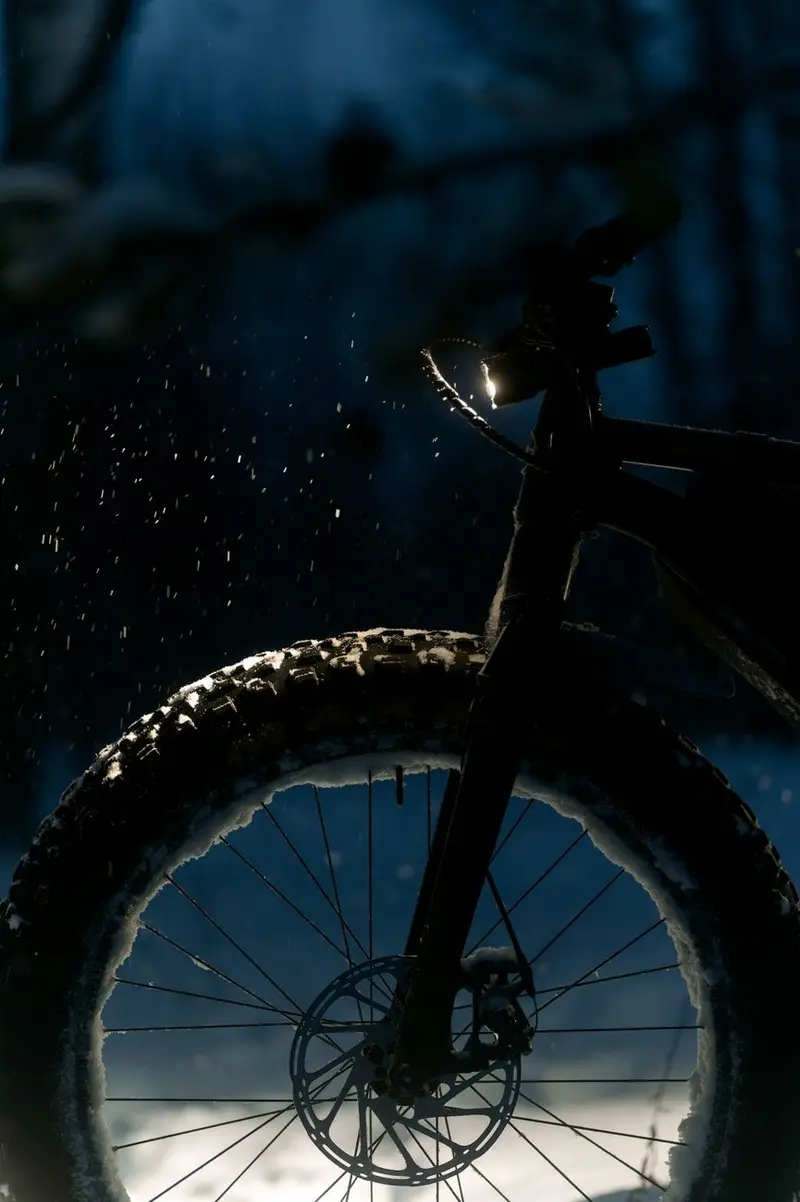
Short version: an electric fat tire bike swaps speed for grip. Tyres run 3.8 to 4.8 inches wide, against 1.75 to 2.35 inches on a standard e-bike, and that width is what floats you over sand, snow, mud, and loose gravel instead of digging in. The trade-off is real: more rolling resistance on tarmac, more weight to carry upstairs, and a battery working a bit harder for the same range. Skip it for a footpath commute; buy it for beach, snow, or a trail your current tyres refuse to touch.
Electric fat tire bikes trade speed for grip: tyres almost triple the width of a standard e-bike's, run at low pressure, and spread your weight out instead of digging in, which is the whole trick for riding sand, snow, or a trail that would swallow a normal wheel. I came to this opinion the hard way. I raced mountain bikes for years and thought e-bikes were for people who'd given up, right up until a knee injury and a hill with my name on it changed my mind in about four kilometres.
The hill outside my old flat used to beat me every single ride, no negotiating, no lucky days. A knee that finally gave out put me on an e-bike instead of off the bike altogether, and the hill I'd spent a decade dreading turned into the best part of the ride. I didn't end up riding less because of the motor. I ended up riding more, which is the opposite of what every roadie at the café warned me would happen. (They were also wrong about clip-in pedals. I'm still not confident about clip-in pedals.)
The tyre is the whole point
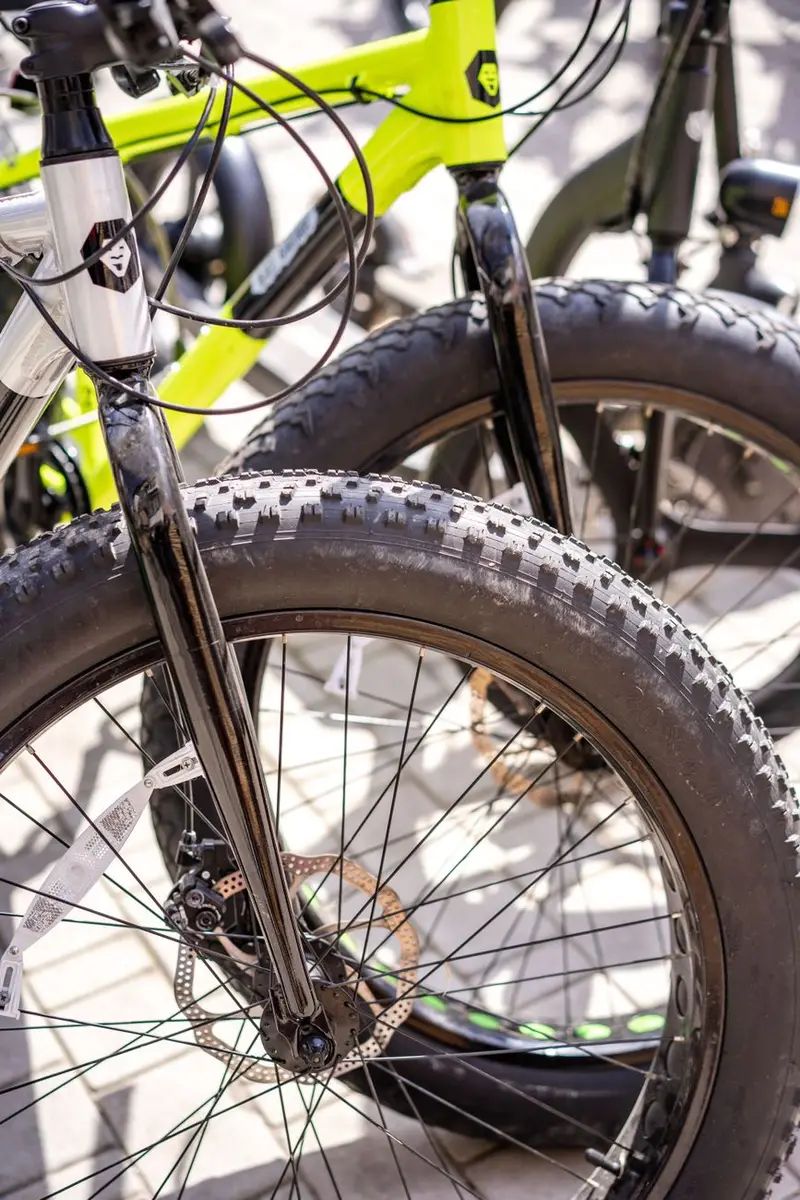
Everything else on a fat tyre e-bike is a normal e-bike. The tyre is the one part actually doing something different, and it's worth understanding before you decide whether you need one. Standard e-bike tyres run 1.75 to 2.35 inches wide. Fat tyres run 3.8 to 4.8 inches — not a style choice, a physics one.
Run that much rubber at low pressure and the tyre squashes flat where it meets the ground, spreading your weight over a much bigger contact patch. On packed dirt that barely matters. On sand, snow, or mud, it's the difference between floating across the surface and digging a trench with your front wheel. A regular tyre concentrates the same weight onto a narrow strip and just sinks in — which is a very efficient way to turn a ride into a walk, carrying a bike.
The trade-off is baked into the same physics that makes it work. More rubber on the ground means more rolling resistance everywhere, including the tarmac you're not riding on sand. It's not a flaw, it's the deal you're signing up for: less speed and more effort on hard, flat ground, in exchange for going places a normal wheel simply won't. Think of it as a 4×4 for two wheels — brilliant off the beaten track, mildly overkill for the school run, and nobody's first choice for a fast lap of the block.
Sand, snow, and gravel: where they actually earn their keep
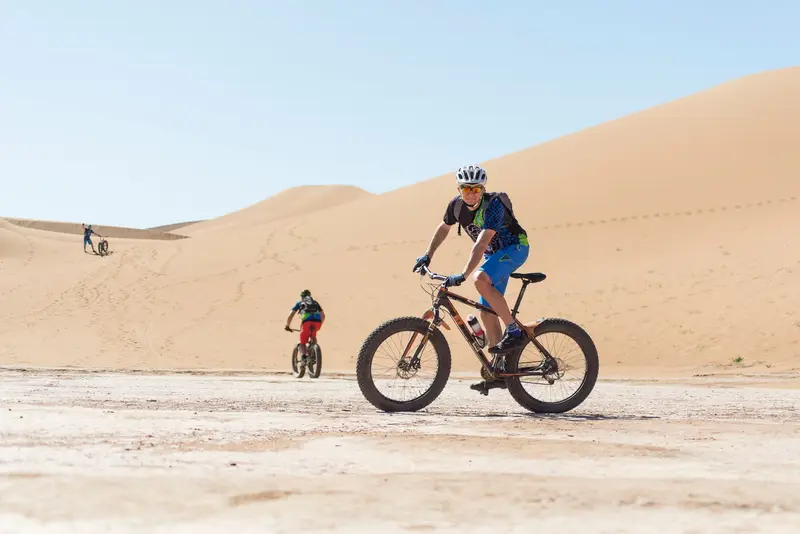
This is the part the spec sheet undersells. A fat tyre bike turns terrain that stops a normal e-bike dead into terrain you just ride across: dry beach sand, fresh snow, loose gravel, wet mud. Loose surfaces are where the extra float actually pays for itself; on a groomed trail or a bike path, you're carrying weight and resistance for very little in return.
Winter riding is the other genuine use case, and not for the reason people assume. It's not the cold that beats a normal bike in snow, it's the tyre. A wide, low-pressure fat tyre grips packed snow and ice in a way a narrow tyre never will, which is why fat bikes turned up in ski towns and snowbound cities well before e-bike motors did.
There's a second thing a wide, stable tyre buys you that doesn't show up on a spec sheet: confidence. I mentioned the knee and the hill earlier. The tyre is doing for a nervous or out-of-practice rider exactly what the motor did for me — turning a shaky, low-confidence start into a ride that's actually enjoyable, not just survivable. Riders sometimes call this cheating. I'd call it the opposite: it's what gets people back on the bike, not off it, and that beats a marginally faster lap of the car park.
Yes, tarmac is harder work
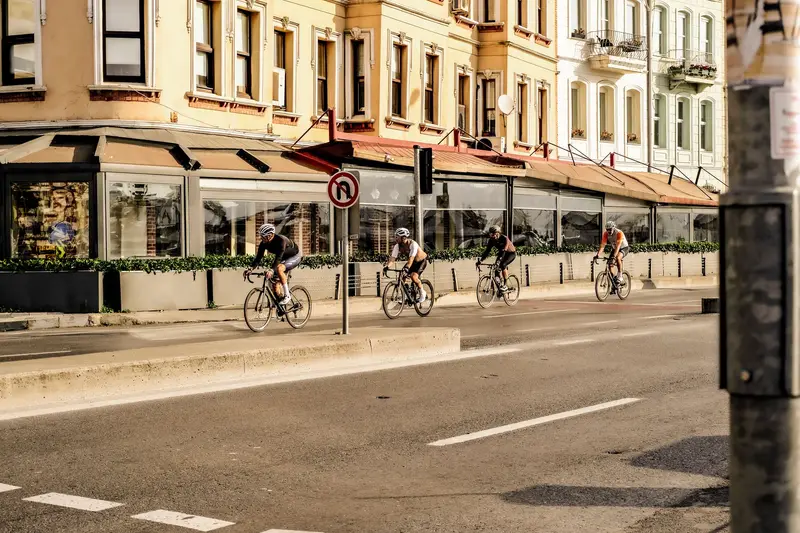
Pedal a fat tyre bike on smooth pavement and you'll feel it in the first hundred metres: more effort for the same speed, and a slightly wallowy feel through corners compared with a narrow road tyre. That's the rolling-resistance trade-off from earlier showing up exactly where you'd expect — on the one surface the wide tyre wasn't designed for.
The motor covers most of this for you, which is the actual point of buying the electric version rather than a plain fat bike. Assist evens out the extra drag on climbs and into headwinds, so the difference you notice day to day is smaller than the spec sheet suggests. It's still there. A fat tyre e-bike on a flat commute will drink more of its battery per kilometre than a commuter model built for exactly that job, on exactly that surface.
None of this makes the tyre a bad choice. It makes it the wrong tool for a job it was never built to do. Buying a fat tyre bike for an all-tarmac commute means paying, in effort, every single day, for off-road capability you'll never use. If your ride is genuinely mixed surface (a footpath here, a gravel verge there, actual sand at the weekend), the trade-off earns its keep. If it's footpath to footpath, our commuter guide is the better read.
How much range you actually get
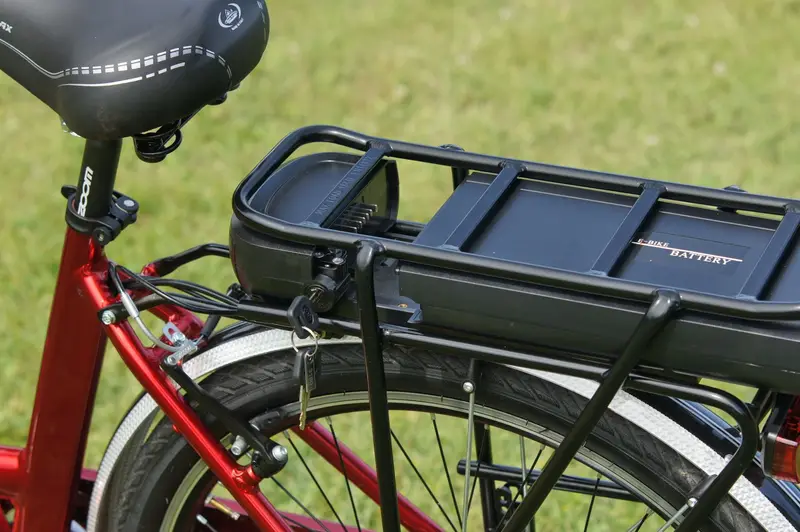
Real-world range across our range runs 45 to 110 km on a charge, depending on the model, the terrain, and how hard you lean on the top assist level. A fat tyre bike sits nearer the bottom of that band than the top, terrain and assist held equal, because the tyre is fighting you the entire ride, not just on the hills.
That's not a reason to write the number off. It's a reason to work it out from your actual trip instead of the biggest figure on a spec sheet. A beach run, a snow-season commute, or a weekend gravel loop rarely needs the full range a spec sheet advertises, and carrying a bigger battery than you'll use just adds weight to a bike that's already heavier than most.
Charging a typical 500 Wh pack costs somewhere around $0.12 to $0.20 in electricity, same as any other e-bike in the range — the tyre changes how far that charge takes you, not what the charge itself costs. Battery care is still 80 percent of battery life regardless of tyre width: keep it roughly 20 to 80 percent charged for long storage, out of the cold, and three to five years of normal use is the expectation, not the exception.
Weight, and the part nobody mentions

Most e-bikes in a normal range run 22 to 30 kg. Cargo bikes, built to carry more than a rider, run 30 to 40 kg. A fat tyre bike's own frame and wheels usually land it at the heavy end of that first band before you've clipped on a rack — the Velotric Nomad 1 Plus, one of the fat tyre models we've carried, comes in at 31.8 kg, closer to cargo-bike territory than commuter.
Nobody puts that number on the box art, and it matters more than the range figure for a specific kind of rider: anyone without ground-floor storage. Getting 30-odd kilograms of bike up a flight of stairs, into a lift, or over the lip of a van is a genuinely different task from carrying a 24 kg commuter, and it's worth doing once in the shop before you own the thing.
If storage is tight, work backwards from the weight, not the tyre. Ask for the exact figure on the model you're looking at; it's not always printed loudly. Lift a floor model, such as the Aventon Aventure 3, before you buy it, not after. A bike that's brilliant on the beach and stuck in your hallway isn't solving the problem you bought it for.
Suspension, or just let the tyres do the work
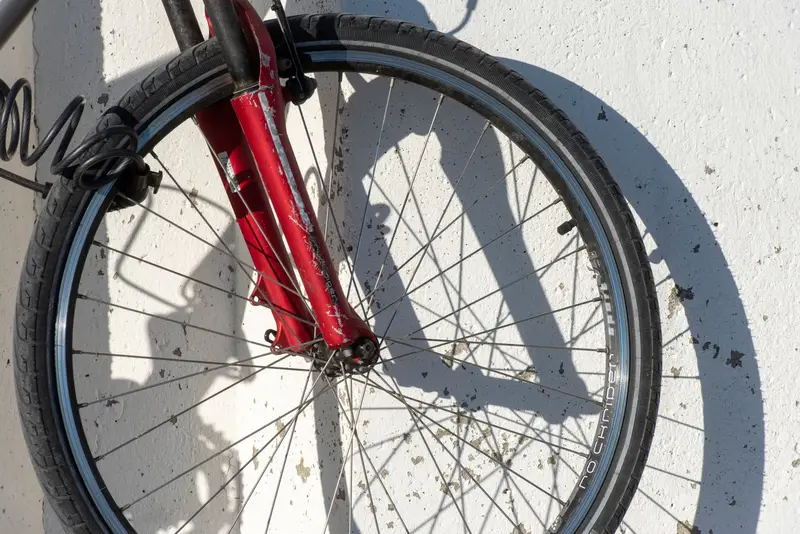
A fat tyre already acts as a low-pressure air spring, soaking up small bumps before a suspension fork would even engage. That's why plenty of fat tyre bikes skip suspension entirely and stay rigid — one less thing to service, one less place for a seal to fail in genuine winter conditions.
Front suspension still earns its place on rougher, faster terrain: rocky singletrack, or repeated hard hits that outrun what the tyre alone can absorb. It adds weight, cost, and a part that needs servicing eventually, so it's worth asking honestly whether your riding needs it or whether it's on the spec sheet because suspension sounds like the more serious choice.
Rule of thumb: if your terrain is soft and slow (sand, snow, gentle trail) the tyre is doing the job on its own, and a rigid fork is one less thing to think about. If it's rocky, root-strewn, or fast enough that you're catching real air off the bumps, front suspension is worth the extra weight and the extra service item. Neither setup is the objectively better bike. They're built for different versions of off-road.
The legal limit depends on your postcode
A fat tyre e-bike is still an e-bike under the law, and the rules that apply to any other model apply here too — which means they differ by country, sometimes by state, and nobody selling you the bike gets to declare a single global number. The EU caps pedal assist at 25 km/h regardless of category. The US splits e-bikes into classes, with Class 2 topping out at 20 mph and Class 3 at 28 mph, and the details vary state to state from there.
Trail access is the other half of the legal question, and it's a separate one from motor class. Some singletrack, groomed winter trails, and beach reserves restrict motorised bikes entirely, fat tyres or not, regardless of what your bike's assist is legally classed as. The International Mountain Bicycling Association tracks e-bike trail access policy by region if you want the current picture rather than a guess based on the trailhead sign.
Check both before you ride somewhere new: what your bike is legally classed as, and whether the specific trail or beach allows it. PeopleForBikes is the better source for the first question; local land managers are the only real source for the second.
When a fat tyre e-bike isn't the answer
This is the section every "top fat tyre e-bikes" roundup leaves out, because a listicle chasing affiliate clicks was never going to talk you out of the sale. I will. If your riding is entirely footpaths, bike lanes, and a paved commute, a fat tyre bike is extra weight and extra effort for capability you'll never use. Our commuter guide covers the bike that actually fits that job, for less money.
Same goes if storage is genuinely tight. A bike you can't easily get up the stairs or into a lift is a bike that stays in the hallway, and a beautiful fat tyre e-bike gathering dust there is a worse outcome than a lighter bike you actually ride. And if the terrain you're chasing is proper technical trail (rocks, roots, drops) rather than soft and slow, an eMTB with real suspension travel will outride a fat tyre bike on that ground; the wide tyre is built for float, not for absorbing hard hits.
Nine times out of ten, the fix for "which e-bike should I buy" is an honest look at where you actually ride, not the bike with the biggest tyres in the shop window. A fat tyre bike is a brilliant, specific tool. Like most brilliant, specific tools, it's a bad choice for every job except the one it was built for.
What it actually costs
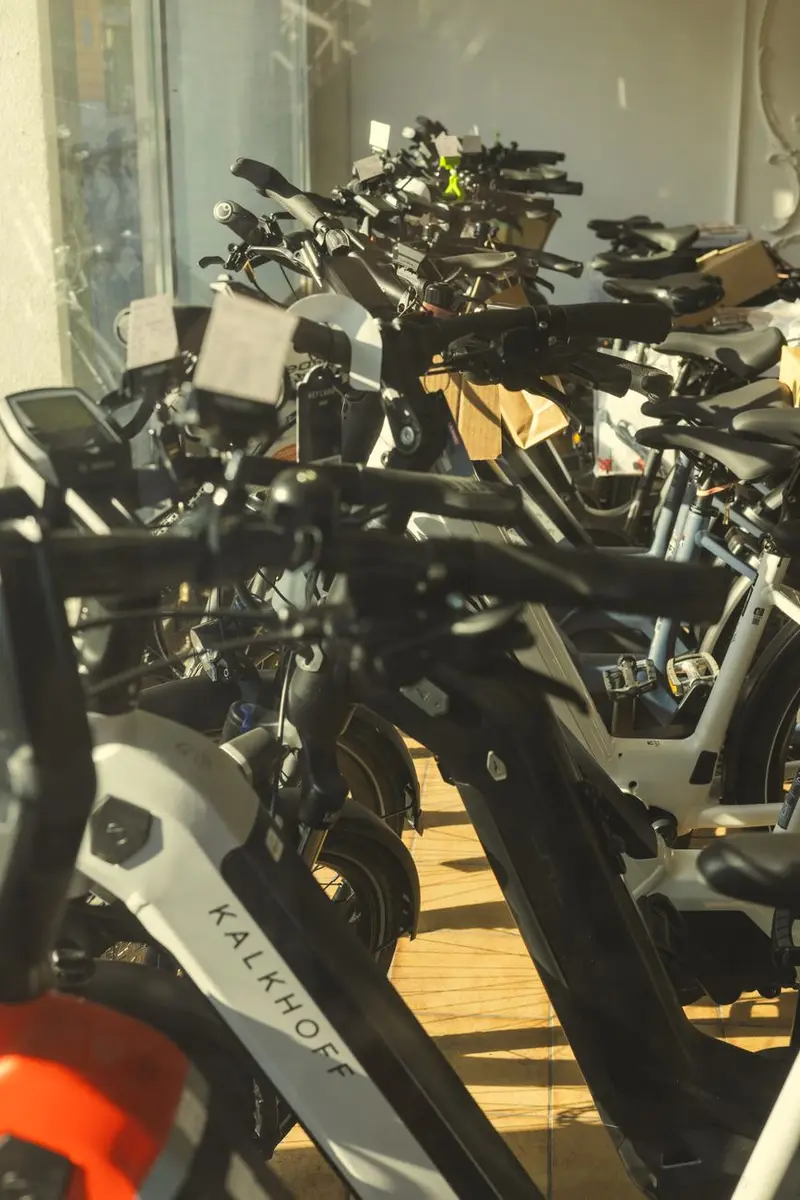
Fat tyre e-bikes span a wide part of the market, because "fat tyre" describes a wheel, not a category — you'll find it on budget cruisers and full-suspension eMTBs alike. As a rough guide, a genuine model with a certified battery and real warranty tends to sit alongside our city and eMTB bands: from about $1,199 at the simple end up toward $11,990 for a full-suspension, trail-rated build with the same wide tyre.
The width of the tyre doesn't tell you anything about the battery underneath it, the motor's parts availability, or whether there's anyone to call when something goes wrong. Check those before the tyre width: a marketplace special and a genuine model can look identical in a listing photo.
Every model we carry gets a 1-year warranty on frame, motor, and battery, with the battery guaranteed to hold 60 percent of its rated capacity at the one-year mark. That's the number worth checking on anything you're pricing against us, fat tyres or not. It tells you more about what you're actually buying than the width of the wheel ever will.
Straight answers

Is a fat tire ebike hard to pedal?
Yes, on tarmac. More rubber on the ground means more rolling resistance, so you'll feel it in your legs on hard, flat surfaces if the motor's assist drops off. On soft ground the tyre saves you effort a narrow wheel would lose to sinking in.
What is a typical fat tire electric bike weight?
Most e-bikes run 22 to 30 kg; a fat tyre model usually sits at the heavy end of that band before accessories. Some run heavier still, closer to cargo-bike weight, so check the exact figure for the model you're looking at.
Are fat tire ebikes good for snow and sand?
That's what they're built for. The wide, low-pressure tyre spreads your weight over a bigger contact patch, so it floats over loose or soft surfaces that would bog down a standard tyre.
Fat tire vs regular ebike: what actually changes?
The tyre width: 3.8 to 4.8 inches versus 1.75 to 2.35 inches on most other e-bikes, run at lower pressure. The motor, battery, and frame construction are usually shared with the rest of the range.
What is realistic fat tire ebike range?
Real-world range across most e-bikes runs 45 to 110 km depending on the model, terrain, and assist level. Fat tyre models tend to land nearer the lower end of that range, terrain held equal, because the wide tyre adds rolling resistance.
Do fat tire e-bikes need front suspension?
Not always. The tyre itself absorbs small bumps at low pressure, which is why plenty of fat tyre bikes run rigid. Suspension earns its place on rockier, faster terrain where the tyre alone can't soak up the hit.
Are fat tire e-bikes legal on regular bike paths?
Usually, since they're classed the same as any other e-bike under local assist-speed rules. Trail and beach access is a separate question: some locations restrict motorised bikes regardless of tyre width, so check the specific trail, not just the bike's legal class.
Dave Whitmore
Ex-mountain-bike racer; came to e-bikes cranky, converted fast.
Keep reading
Browse the range
Still not sure which one? Give us a shout.