
Marcus Hale · US · 15 min read
Electric Commuter Bike: What Actually Matters
Published 2026-08-08
TL;DR
Short version: an electric commuter bike is any e-bike built for a daily point-to-point ride rather than a trail, with enough range for the round trip plus a buffer, a motor that actually climbs your hill, and the boring-but-vital stuff (lights, a rack, fenders) that survives a wet Tuesday. The two specs worth obsessing over are torque sensing, not wattage, and which assist class is legal where you live. If your commute is a flat 3 km, save your money: you don't need one.
I sold my second car in 2019. Not because I found religion — because I ran the numbers, and a car I used twice a week was costing me more per month than most of the bikes on this site cost once. That's the whole pitch for an electric commuter bike, and also the last time I'll mention my spreadsheet in this paragraph. (I have a spreadsheet. I'm not sorry.)
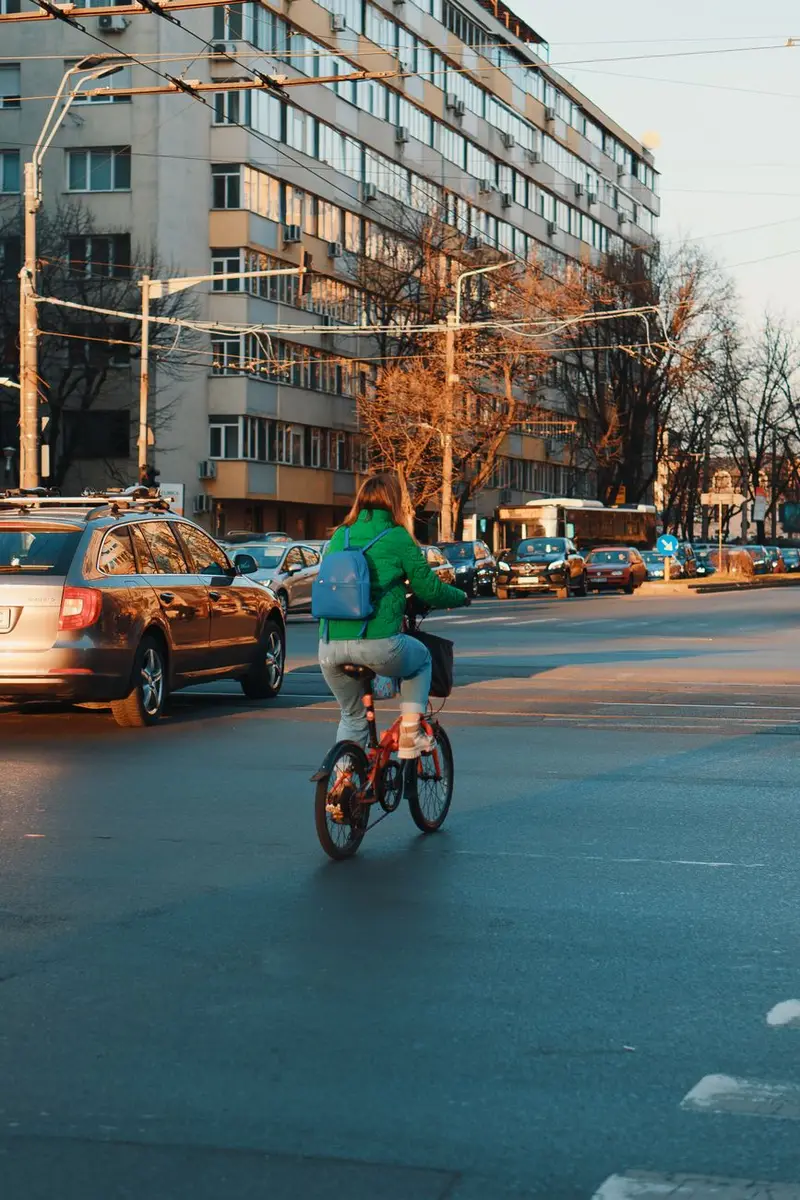
An electric commuter bike isn't a different species of e-bike so much as a different job description. Same motor, same battery, same basic parts — just aimed at getting you to a specific place, on a specific schedule, in whatever the sky is doing that day. Get the job description right and the spec sheet mostly sorts itself out.
What actually makes a bike a 'commuter' bike
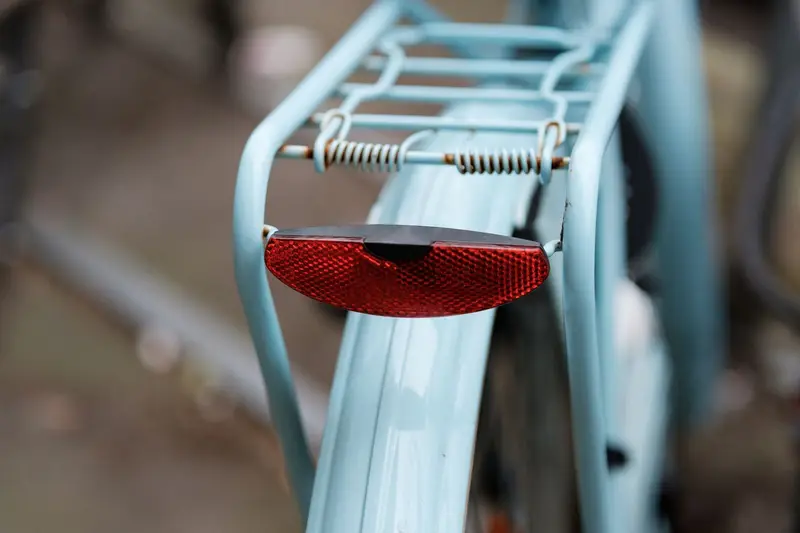
There's no law that stamps "commuter" on a frame. It's a bike built around a repeatable trip: the same few kilometres, most weekdays, rain or shine, usually with a bag and often in the dark for at least one leg of it. That job pulls the spec sheet in a specific direction — away from suspension travel and knobby tyres, toward lights that are actually bright, a rack that can take a pannier, fenders, and tyres that shrug off wet tram tracks and broken glass.
Compare that to an folding bike, built to solve a storage problem, or an eMTB, built to solve a hill-with-rocks-on-it problem. Same electric-assist core. Completely different reason to exist. If you're shopping by category name instead of by your actual trip, you'll end up comparing bikes that were never competing for the same job in the first place.
The honest checklist is short: enough range for the round trip with a buffer, a motor that doesn't wheeze on your specific hill, lights and fenders you won't need to bolt on later, and a price that reflects a certified battery and a company that'll answer the phone — figuratively; we don't have a phone, but you get the idea.
Motor power isn't the spec that matters most
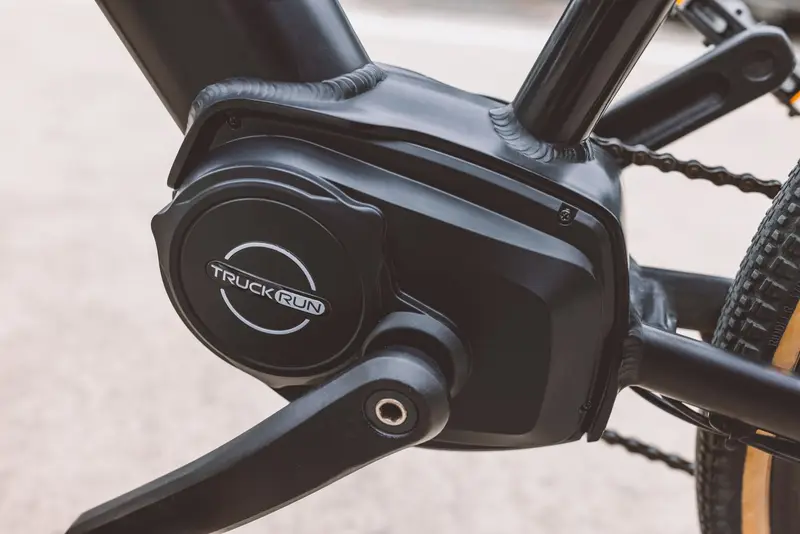
Wattage is the number every listing shouts loudest, and it's the one that tells you the least. A well-tuned 250 W mid-drive will out-climb a crude 750 W hub motor on a real hill, because how the power gets delivered matters more than how much of it there is. Judging a motor by wattage alone is like judging a car by how many cylinders it has and ignoring the gearbox.
Mid-drive motors use the bike's own gears, which means they climb better and stretch range further — they're the pick if your commute has any real elevation. Hub motors are simpler, cheaper, and lower-maintenance, which makes them a perfectly good choice for a flatter ride. Neither is objectively "best". They're different tools for different terrain, and a salesperson who tells you otherwise is selling, not advising.
What you actually want to compare is torque, measured in newton-metres, and (more than that) how the motor senses your effort in the first place. Which brings us to the spec most people skip straight past.
The one spec worth paying extra for
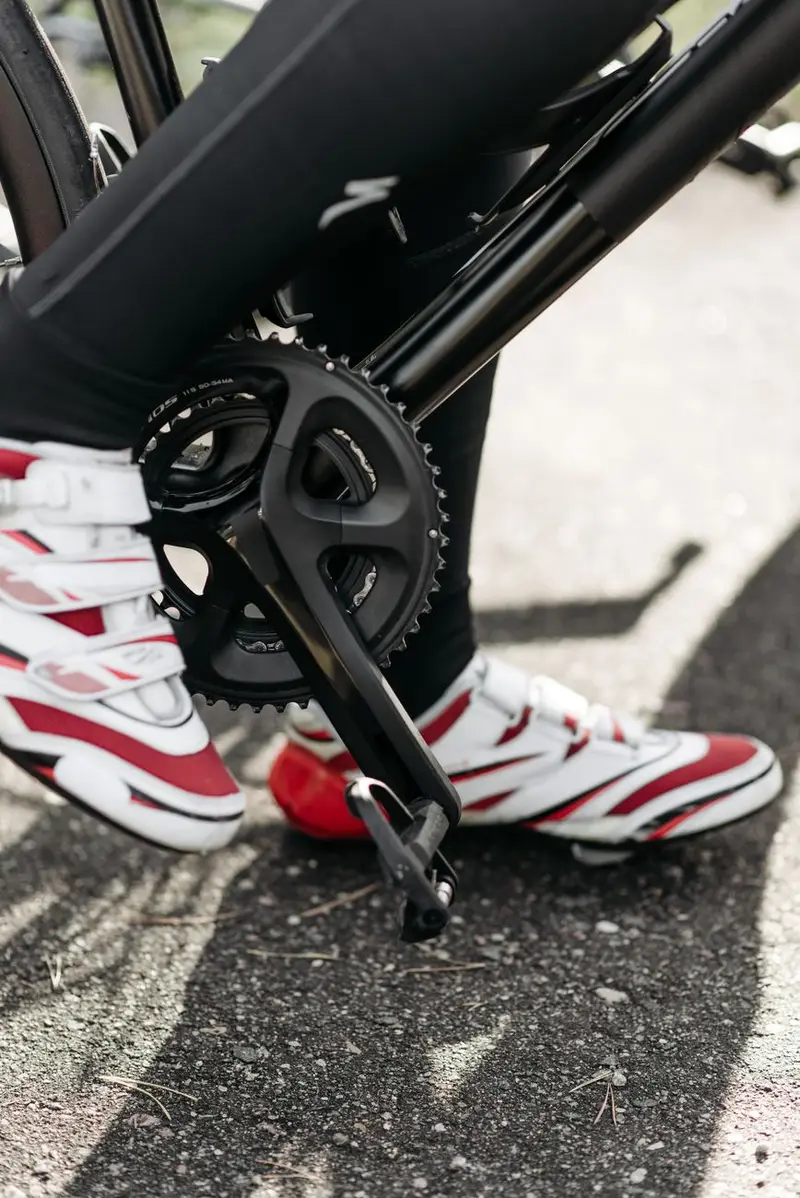
Here's the opinion part, and I'll back it with a number: torque sensor over cadence sensor, every time you can afford it. A torque sensor reads how hard you're actually pushing the pedals and matches the assist to that, smoothly, in real time. A cadence sensor only knows that you're pedalling at all, so it delivers a flat, pre-set boost and surges on and off — which feels less like riding and more like being towed.
The practical difference isn't just comfort. Torque sensing typically adds 10 to 20 percent of real-world range over an equivalent cadence-only setup, because it's not blasting full assist every time your legs so much as twitch. It's the single spec on this whole page I'd tell you to pay extra for before anything else — the frame material, the app, the color options, all of it comes second.
You'll find the word "torque sensor" buried in a spec table, usually below the fold, well below the wattage number in size 40 font. Look for it anyway. It's doing more for your daily ride than the motor's peak power ever will.
How much range do you actually need
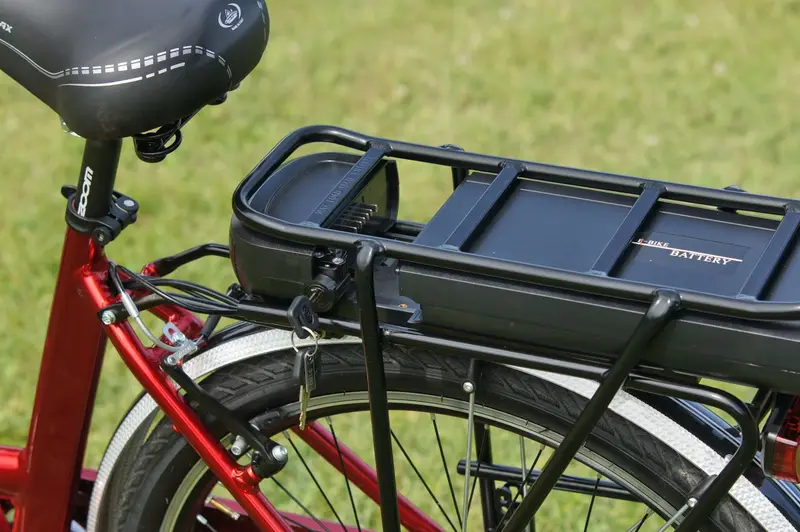
Real-world range on a commuter e-bike runs roughly 45 to 110 km per charge, depending on the model, the terrain, and how much you lean on the highest assist setting. That's a wide band on purpose — a lab number on a spec sheet and your actual Tuesday commute, into a headwind, with a loaded pannier, are not the same test.
Work it out from your trip, not the spec sheet's biggest number. Take your one-way distance, double it for the round trip, and add a buffer for a bad-weather day, a detour, or the errand you didn't plan on. A 12 km round trip doesn't need a 140 km battery you'll charge once a fortnight and never come close to emptying — it needs a mid-pack battery and a lower price.
Charging a typical 500 Wh pack costs somewhere around $0.12 to $0.20 in electricity, against roughly $8 to $15 for the same distance by car. That gap is most of the reason my spreadsheet made the decision for me back in 2019, and it compounds a lot faster than people expect once you're not paying for parking on top of it.
Class 2 vs Class 3 — and why it depends where you live

In the US, a Class 2 e-bike tops its motor assistance at 20 mph and usually includes a throttle; Class 3 pushes pedal-assist to 28 mph with no throttle in most states. Other markets set their own limits entirely — the EU caps assist at 25 km/h regardless of class, and the number that applies to you depends entirely on where you're riding, not on what the box says.
This is a genuinely regional rule, not a global one, so treat any single number quoted as universal with suspicion. PeopleForBikes tracks the current state-by-state and national picture if you want the source document rather than a summary of a summary.
For most commuters, Class 3 buys you real speed on a straight stretch, which matters if part of your route is a fast arterial road. If your route is mostly bike paths and calmer streets, Class 2's throttle can matter more in practice — starting from a dead stop at a light with a loaded pannier is exactly when a throttle earns its keep.
What it actually costs

A genuine electric commuter bike (certified battery, real warranty, a company that stands behind it) starts around $1,199 and runs up to about $5,999 before you're paying for belt drives and premium trim. Below that starting line, you're not buying the same thing cheaper. You're buying a different, worse thing, and the difference usually shows up around month fourteen.
The price on the page isn't the cost you carry. A $600 mystery-brand special with no spare parts and a battery that's dead in eighteen months is the expensive option — you just pay for it in instalments, at the worst possible time, with no bike to show for it afterward. Total cost of ownership is the number that actually matters, and it rarely matches the number on the box.
I did the maths properly once, the way I do most things. My second car (insurance, fuel, parking, the lot) cost more per month than a bike like the Aventon Level 3 cost me once, outright. I sold the car in 2019. I still have the spreadsheet. It still says I was right.
Pedal assist, throttle, and what the levels actually mean
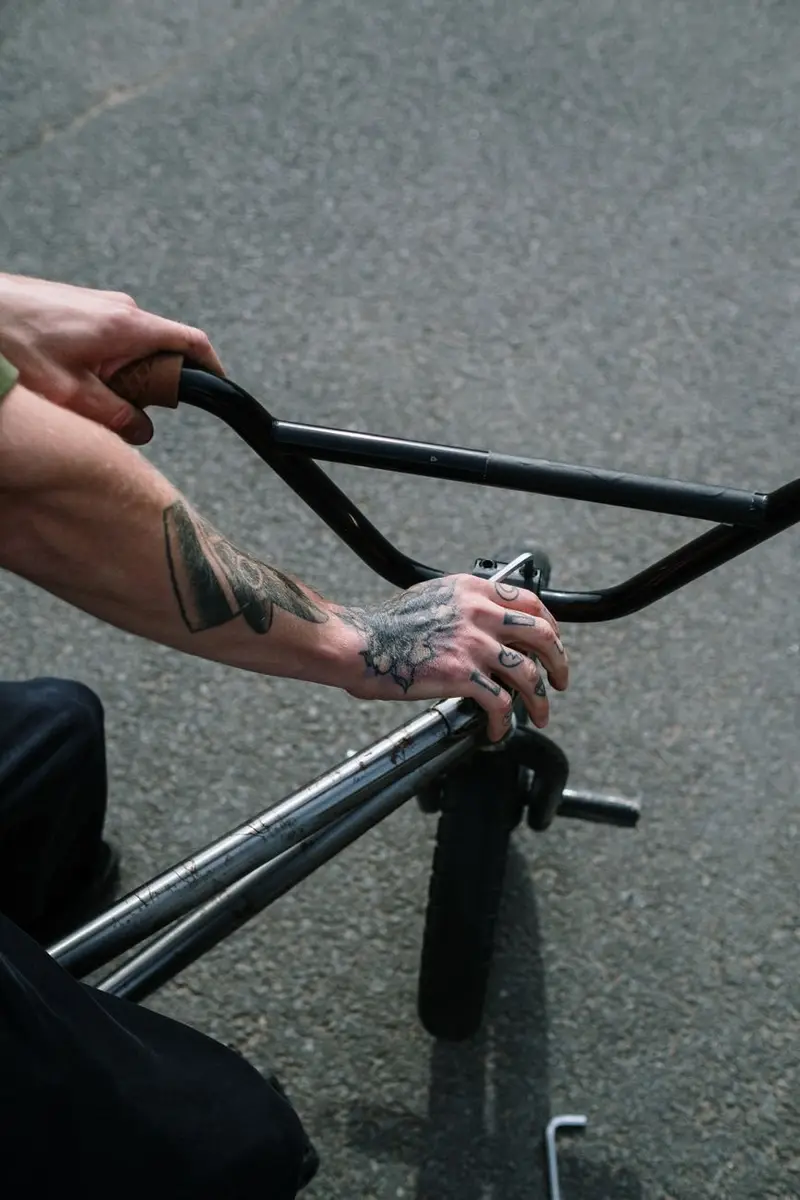
Pedal assist means the motor adds power in proportion to your own pedalling — you still have to pedal, the bike just makes it easier. Most commuter e-bikes offer three to five assist levels, from barely-there to "why am I early", and the practical move is to ride the lowest level that gets you there on schedule. Lower assist means more range and, on a torque-sensing bike, a ride that barely feels motorised at all.
A throttle is different: twist or press it and the motor moves the bike without you pedalling, like a very quiet, very legal moped mode. It's genuinely useful for starting from a dead stop in traffic or resting a knee on the worst day of a long week, and it's the reason Class 2 bikes remain popular for city riding despite the lower top speed.
Neither setup is more "real" cycling than the other — that argument is for people with too much time and not enough commute. Pick based on your actual route and your actual knees.
When an electric commuter bike isn't the answer

Here's the bit most listicles skip, because telling you not to buy something doesn't sell affiliate clicks. If your commute is a flat 3 km and you're already walking or riding it comfortably, an e-bike solves a problem you don't have. Save the money, or spend it on a very good regular bike instead.
Same goes if you're commuting somewhere with nowhere secure to store or charge a battery — a great e-bike locked to a fence overnight in a high-theft area is a stressful way to save on petrol. And if your trip genuinely needs a car seat, a trailer's worth of cargo, and a highway, no amount of torque is going to change that particular equation. Nine times out of ten, the fix for "which e-bike should I buy" is a shorter, more honest look at the trip itself, not a bigger battery.
The five-minute habits that keep it alive
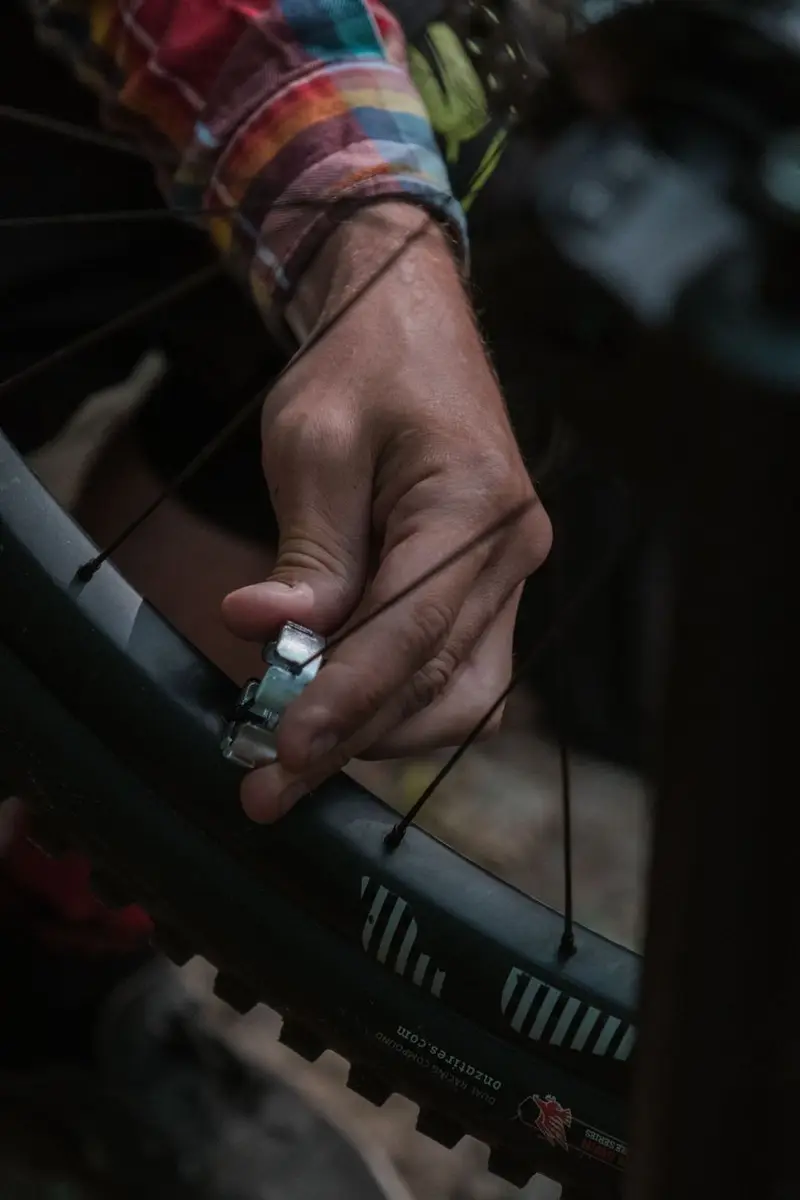
Tyre pressure, chain lube, a brake check, and sensible battery storage — that's the entire maintenance routine for most riders, and it takes about five minutes a week. It's the oil change of e-bikes: skip it and nothing happens immediately, skip it for a year and something expensive happens all at once.
Battery care matters more than any other habit. Don't store it fully empty or fully full for long stretches; keep it roughly 20 to 80 percent charged if it's sitting for a while, and keep it out of the cold or a hot car boot. Do that consistently and three to five years of normal life is the expectation, not the exception.
On the safety side, look for a battery and electrical system certified to UL 2849, the standard that tests the whole system (battery, charger, and controller) under abuse, not just the cell in isolation. It's not a marketing sticker. It's the difference between a battery that fails safely and one that doesn't.
Straight answers

What should a commuter e bike have as standard?
Mudguards, a rack, lights and a kickstand fitted from new, plus brakes rated for a bike this heavy. A commuter e bike that needs three accessory purchases before it is usable in the rain is a city bike wearing the wrong label.
What's the difference between an electric commuter bike and a regular e-bike?
Mostly the extras: lights, fenders, a rack, and tyres built for daily road riding rather than trails. The motor and battery underneath are often shared with other categories — it's the job the bike is fitted out for that changes.
How far can an electric commuter bike go on one charge?
Real-world range runs about 45 to 110 km depending on the model, terrain, and assist level used. Work it out from your actual round trip plus a buffer, not the biggest number on the spec sheet.
Is Class 2 or Class 3 better for commuting?
Depends on your route. Class 3's higher pedal-assist top speed helps on faster roads; Class 2's throttle helps more in stop-start city traffic. Check your local rules either way — they differ by country and, in the US, by state.
How much should I expect to pay for a decent one?
Roughly $1,199 to $5,999 for a genuine model with a certified battery and real warranty. Below that range, you're usually trading support and battery certification for a lower sticker price.
Do I need a mid-drive motor to commute?
Only if your route has real hills. Mid-drives climb better and stretch range further; hub motors are simpler and cheaper, and perfectly fine on flatter ground.
Is an electric commuter bike worth it if I already own a car?
For most short, repeatable trips, yes — you're swapping fuel, parking, and traffic time for a fraction of the running cost. It's not a replacement for every trip, just the ones you take most often.
Marcus Hale
Sold his second car in 2019 and hasn't looked back; tracks every cent a bike saves him.
Keep reading
Browse the range
Still not sure which one? Give us a shout.