
Electric Mountain Bikes
Every one of the e mountain bikes here is trail-rated, with real suspension travel and a motor tuned for climbing rather than flat-out speed. The range runs from $1,999 to $11,990, and the gap between those two numbers is the whole conversation. Read the eMTB buying notes below before you sort by price, because the cheapest bike here is genuinely good and the dearest one is genuinely worth it, just not to the same rider.
Price range: $1,999–$11,990
- 1-year warranty on frame, motor and battery
- Free shipping over threshold
- 14-day ride-it-and-see returns
- Dispatched within 2 business days
12 bikes
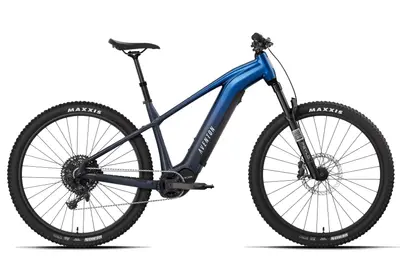
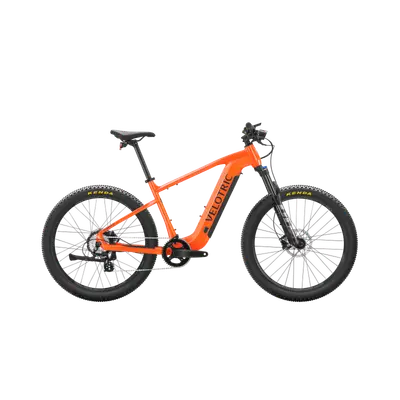
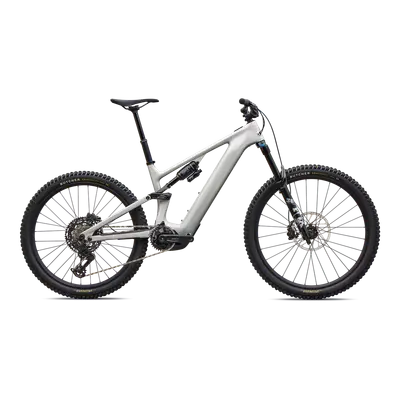
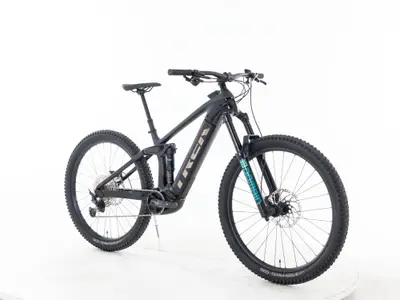
Mid-drive or hub: the one spec that decides how an electric mtb climbs
A hub motor drives the rear wheel directly. It has one effective gear no matter what your cassette is doing. A mid-drive sits at the cranks and puts power through the chain, so it uses your gears exactly like your legs do.
On a sustained steep climb that difference is the whole bike. A mid-drive in a low gear gets the same mechanical advantage you get. A hub motor in the same place just works harder, heats up and empties the battery faster.
If your local riding is fire roads and rolling trails, a hub bike like the Velotric Summit 1 at $1,999 is plenty and you keep the money. If it is long technical climbs, a mid-drive is worth every penny of the step up to the Aventon Ramblas at $2,899.
What the money buys between $1,999 and $11,990
The first jump buys drive type. Under $3,000 you are choosing between a well-sorted hub hardtail and an entry mid-drive. Both are real bikes and either will ride most trails in this country perfectly well.
The middle of the range buys suspension that works. The Specialized Turbo Levo at $7,999 has full suspension that stays composed when the trail gets fast and rough, plus 105 Nm and an 840 Wh battery in a 24.5 kg package. That combination is genuinely hard to build and it is what you are paying for.
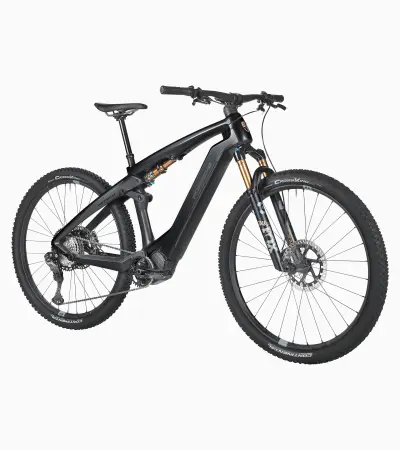
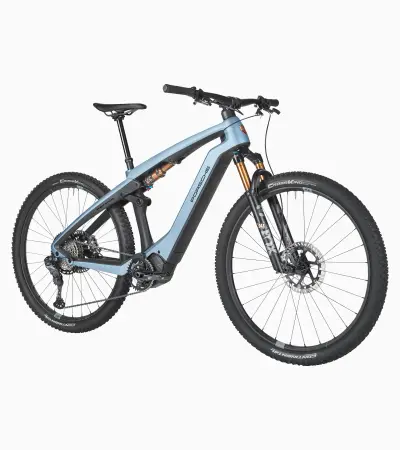
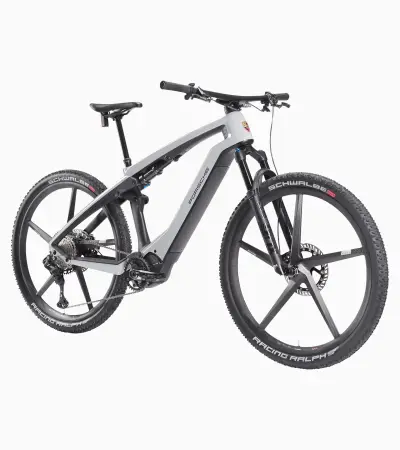
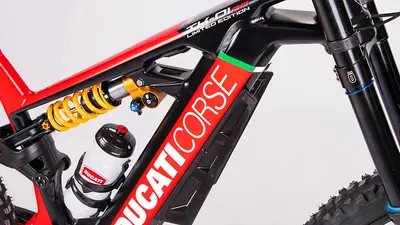
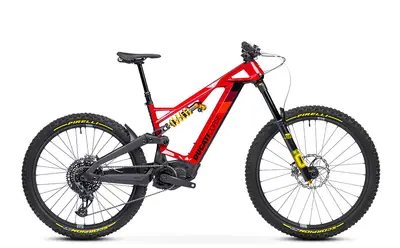
Above that you are buying engineering and, honestly, the badge. The Porsche eBike Cross Performance range and the Ducati Powerstage RR are built by serious bike makers under those names, with carbon frames, Ohlins or Fox suspension and componentry chosen without much reference to cost. Nobody needs one. Some people want one, and that is a perfectly good reason to buy a bike.
We are not going to pretend the $11,990 Ducati is four times the bike of the $2,899 Ramblas, because it is not. What it is, is better in ways you will only notice if you ride hard enough to find the limits of the cheaper one. If you do, the money is not wasted. If you do not, spend it on riding somewhere new instead.
A full suspension electric bike is not always the right buy
A hardtail has a suspension fork at the front and a rigid rear. It is lighter, cheaper, simpler and it climbs beautifully. Under about $3,500 it is almost always the right answer, because cheap rear suspension is worse than no rear suspension.
Full suspension earns its keep on fast, rough descents. If you ride down things as seriously as you ride up them, it stops being a luxury. If you mostly climb and cruise back down, a good hardtail will suit you better and weigh less doing it.
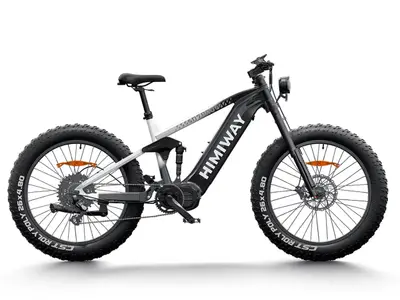
Four bikes here have travel at both ends: the Trek Rail 9.7 at $8,700, the Aventon Current ADV at $3,999 on 140 mm rear and a 150 mm fork, the Himiway D7 Pro at $3,999 on a RockShox Deluxe Select+, and the Porsche eBike Cross Performance line. Worth noting what an electric bike with suspension at both ends does not tell you: the D7 Pro has more travel and more torque than the Trek on paper at less than half the money, and the Trek is still the better trail bike. Frame geometry and dealer support never appear in a spec table.
Straight answers
What is the best electric mountain bike for beginners?
Something cheap enough that you learn what you actually want. The Velotric Summit 1 at $1,999 or the Aventon Ramblas at $2,899 both do the job. Buy the expensive bike second, once the limiting factor is the bike rather than the legs.
Do I need a mid-drive electric mountain bike?
Only if you climb. A mid-drive uses the bike's gears, so on long steep climbs it is meaningfully better and more efficient than a hub motor. On rolling trails and fire roads you will not notice the difference, and a hub bike costs less.
Are the Porsche and Ducati electric mountain bikes worth the money?
They are properly built bikes rather than badge exercises, with carbon frames and top-tier suspension. Whether they are worth it depends on whether you ride hard enough to find the limits of a $3,000 bike. If you do, yes. If you do not, buy the cheaper bike and more trips.
How much should I spend on an electric mountain bike?
Most riders are well served between $2,000 and $4,000. Spend more when suspension quality or climbing ability is genuinely holding you back, not before.