
Lukas Vogt · Germany · 11 min read
Ebike Classes Explained: Class 1, 2 and 3
Published 2026-08-17

TL;DR
Short version: 'class' is a US legal category, not a universal spec. Class 1 is pedal-assist only, capped at 20 mph. Class 2 adds a throttle, same 20 mph cap. Class 3 is pedal-assist only again, but capped at 28 mph, and it's the one most likely to need a helmet or a minimum age where you live. Outside the US, the number on the box means nothing — the EU caps assist at 25 km/h full stop, no classes involved. Check your own region before you check the spec sheet.
I have spent more hours than I'll admit staring at motor datasheets, and the word 'class' is the one that causes the most confusion, because it sounds like a spec and it is actually a law. Three laws, in one country, that half the internet quotes as if they apply everywhere. (They do not. I checked. Repeatedly.)
So let's do ebike classes properly: what each one actually caps, what changes at each speed, and the part most sites skip, which is what happens to the whole system the moment you cross a border.
'Class' is a law, not a spec
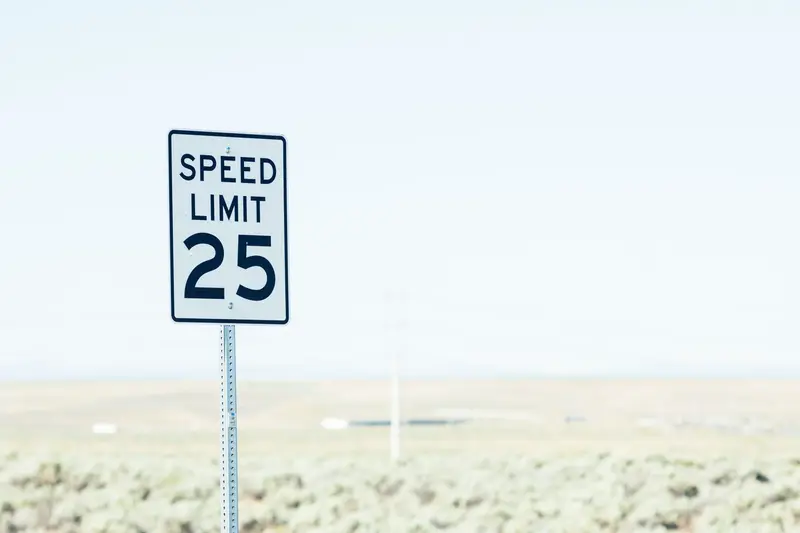
In the US, federal law defines a 'low-speed electric bicycle' as a two- or three-wheeled vehicle with working pedals and a motor under 750 W, unable to exceed 20 mph on a flat road under motor power alone. 15 U.S.C. § 2085 is the actual text, and it's the floor most states build their three-class system on top of.
Class 1, 2, and 3 are that state-level layer: three buckets sorted by how the motor delivers power (pedal-assist only, or pedal-assist plus a throttle) and how fast it'll help you go before it stops helping. Nothing about frame size, battery capacity, or how the bike looks. Purely: throttle or no throttle, 20 mph or 28 mph.
Most states have adopted some version of it, which is progress, but 'most' is doing a lot of work in that sentence. PeopleForBikes tracks the state-by-state picture, because it changes more often than a shop's product page can keep up with.
What is a Class 1 ebike? Pedal-assist only, 20 mph and done
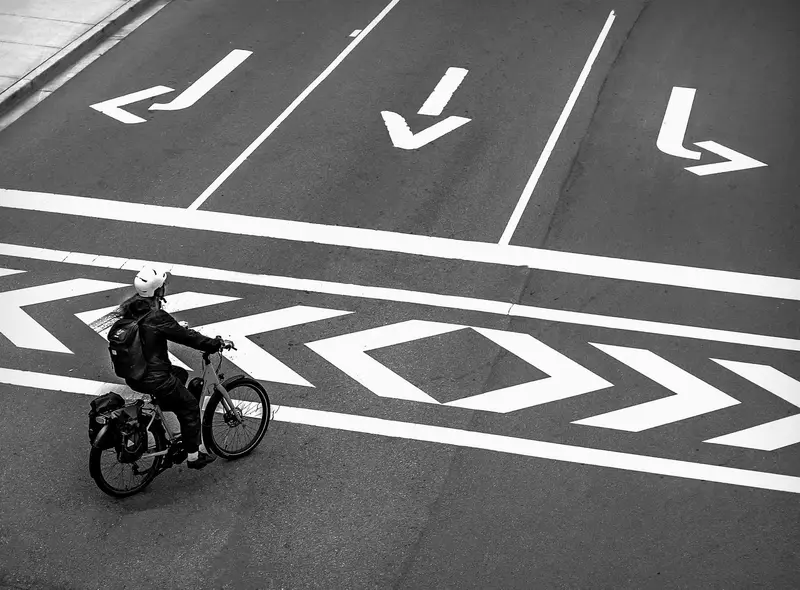
A Class 1 electric bike is the plain one. Motor assist only kicks in while you're pedalling, no throttle, and it cuts out at 20 mph regardless of how hard you're pushing after that. It's the class allowed on the widest range of paths and trails in the US, including a lot of shared-use paths that ban Class 2 and 3 outright.
The riding feel is the closest to a regular bike with a following wind — you still do all the work, the motor just makes the work smaller. If your local trails have any throttle restriction (and a lot of shared-use ones do), Class 1 is often the only category you're legally allowed to bring.
What is a Class 2 ebike? Same top speed, one extra lever
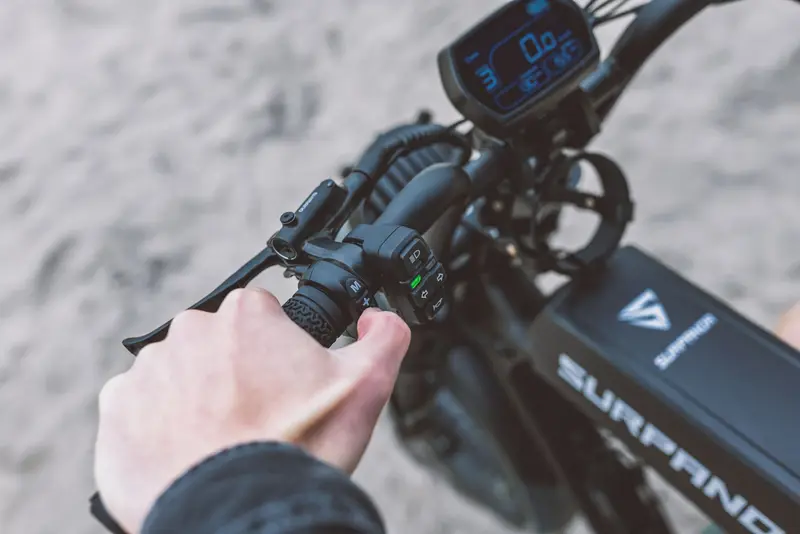
A Class 2 electric bike caps out at the same 20 mph as Class 1. The difference is a throttle, twist or thumb, doesn't matter, that moves the bike without you pedalling at all, right up to that same 20 mph ceiling. Legally it's the same speed bucket. Practically, it's a different bike to ride.
A throttle earns its keep at a dead stop: pulling away from a red light with a loaded pannier, or resting a knee on the last climb of a long week. It's also the reason some shared-use trails restrict Class 2 even though the top speed matches Class 1 — the rule-makers are worried about the throttle, not the number.
The first time a throttle pulls you away from a stop without a single pedal stroke, it stops feeling like cycling and starts feeling like cheating, in the most legally compliant way available. I will not pretend I don't enjoy that a little.
What is a Class 3 ebike? The fast one, and the paperwork with it
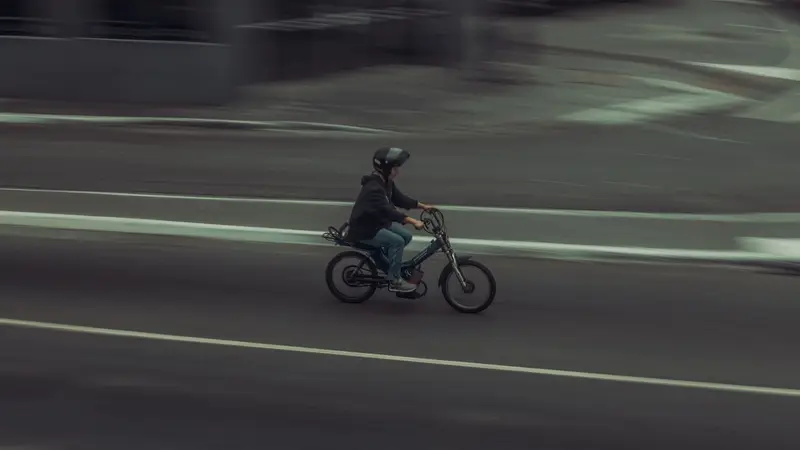
A Class 3 electric bike goes back to pedal-assist only, no throttle, most states won't allow one on a Class 3 bike at all, but the assist cutoff jumps to 28 mph. The Aventon Level 3 is named for exactly this: 500 W hub motor, 28 mph pedal-assist top end, priced at $1,699 on the road. The name is doing the spec sheet's job for it, which I respect on principle.
That extra 8 mph is not free. A meaningful share of US states attach a minimum age, a helmet requirement, or both to Class 3, and a good number of shared-use paths and trails ban it outright — the same way some ban Class 2's throttle, just for a different reason. Check before you buy one expecting to ride it everywhere a regular bike goes.
If your riding is mostly bike paths, greenways, or anywhere pedestrians outnumber cyclists, the extra speed is a liability you're paying for twice: once at checkout, once every time a path warden waves you down.
A class sticker means nothing without certification behind it
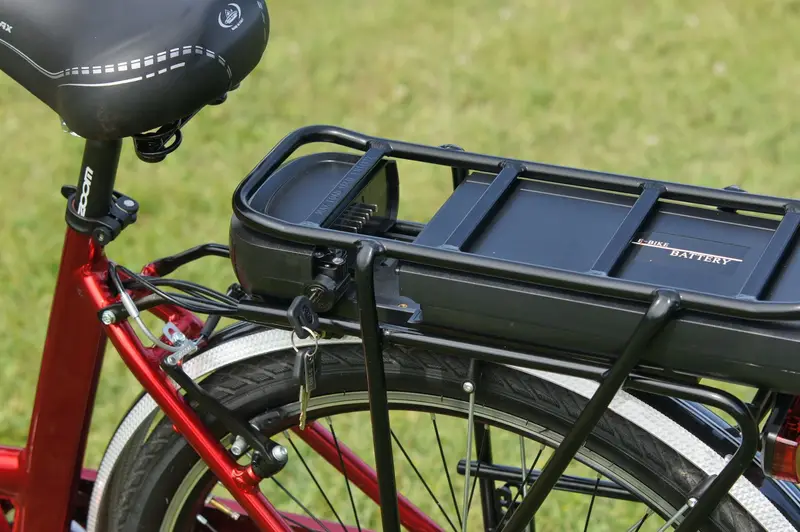
Nine out of ten 'my e-bike died after a year' emails we get are the same bike: a cut-price, mystery-brand special off a marketplace, badged confidently as 'Class 2, 20 mph' with no test paperwork behind the claim. The battery cells aren't certified, the motor controller isn't tested against the label it's wearing, and there's no one to call when the numbers turn out to be optimistic.
A class label is a self-declared spec, not an inspected one, unless the bike is also certified to a real safety standard — UL 2849 tests the battery, charger, and controller together, under abuse, not just the class number in isolation. That's the difference between a 'Class 2' sticker that means something and one that's a suggestion.
Ask for the certification, not just the class. A bike that's honestly Class 2 and UL-tested beats a bike that claims Class 3 and can't show its homework, every time. Our guide to spotting a company worth buying from goes through what that homework actually looks like.
Outside the US, none of this applies

Here's the opinion part, backed by an actual number: assist limits and road rules differ by country, and treating the US class system as universal is the single most common mistake in e-bike shopping guides. The EU caps assist at 25 km/h (roughly 15.5 mph) full stop, under Regulation (EU) No 168/2013, with no Class 1/2/3 split at all. A pedelec is either compliant (250 W, 25 km/h, pedal-assist only) or it's legally a moped, with the registration and insurance that implies.
Australia and Canada each run their own versions again, usually closer to the EU's single-speed-limit model than the US's three-tier one. If you're reading a 'Class 3 e-bikes explained' article from outside North America, you're reading about a law that has no bearing on what you're allowed to ride.
The practical takeaway: look up your own country's assist-speed limit before you look up a class number. The class framework is useful shorthand if you're in the US. Everywhere else, it's noise.
Which one you should actually buy
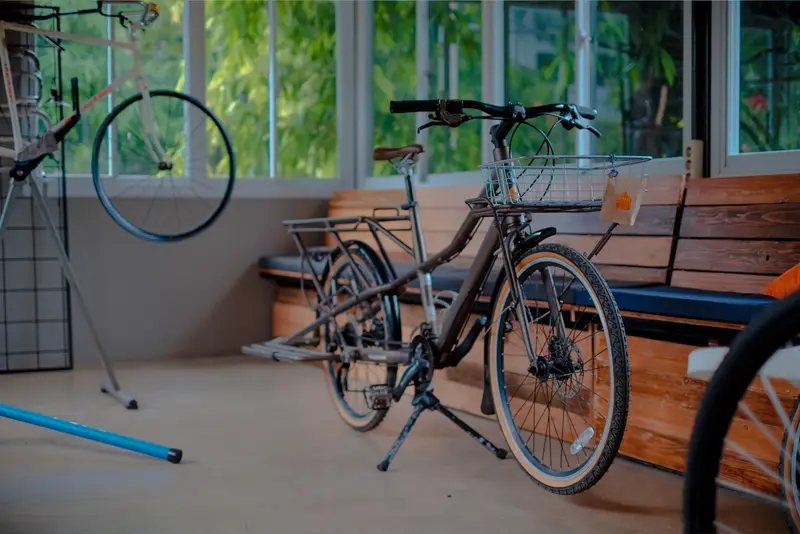
Buy for the paths you actually ride, not the number that sounds most impressive. If your commute is greenways and shared trails, Class 1 gets you onto the most ground with the fewest arguments. If it's stop-start city traffic with a loaded pannier, Class 2's throttle is worth more than the extra 8 mph Class 3 offers on a road you're rarely at full speed on anyway. How fast ebikes actually go covers why you spend less time at the cap than the spec sheet implies.
Don't buy Class 3 on reflex because it's the biggest number on the page. If your regular route runs through a park, a boardwalk, or anywhere with a posted e-bike speed limit, the fastest bike is the one most likely to get you turned around at the trailhead — and the one you'll end up riding at Class 1 speeds anyway, just for more money.
Outside the US, skip the class question entirely. Read the commuter guide for the rules that actually govern where you live, then buy on motor feel and range like the rest of the world does — no acronym required.
Straight answers

What can class 3 ebikes do that class 1 cannot?
Hold assist to 28 mph instead of 20, which is the entire difference. They pay for it in access: class 3 ebikes are excluded from plenty of shared paths, and some states add a minimum age or a helmet requirement that class 1 does not carry.
Are class 1 ebikes worth buying over class 3?
For most riders, yes. Class 1 ebikes go everywhere, cost less, weigh less and are legal in more places. You only need class 3 if your route is road, your commute is long, and you will genuinely hold the higher speed rather than sitting at traffic lights with it.
Can you pedal class 2 electric bikes without using the throttle?
Yes. Class 2 electric bikes are pedal-assist bikes with a throttle added, not throttle-only machines. Most riders use the throttle for pulling away from a standstill or on a loaded hill and pedal normally the rest of the time.
Is a 28 mph electric bike legal?
In the US, yes, as a Class 3, in all 50 states. A 28 mph electric bike is not legal as a bicycle in the EU, where assist stops at 25 km/h and anything beyond it is a moped in law. This is the rule that differs most between markets.
What are the different classes of ebikes?
Class 1 and 2 both cap assist at 20 mph; Class 2 adds a throttle, Class 1 doesn't. Class 3 drops the throttle again but raises the cap to 28 mph. Speed and throttle are the only two variables.
Do I need a license or registration for a Class 3 e-bike?
In most US states, no — but a meaningful number attach a minimum age and helmet requirement to Class 3 specifically. Check your state before you buy one, since the rules genuinely differ.
Which class of ebikes can ride on bike paths and shared trails?
Often not. A lot of shared-use paths restrict Class 3 for the higher top speed, the same way some restrict Class 2 for the throttle. Check the specific trail, not just your state's general rule.
Do e-bike classes apply outside the United States?
No. The EU caps assist at 25 km/h with no class split at all; a compliant pedelec is just a bicycle legally. Australia and Canada run their own separate limits. The US three-class system is a US-only framework.
Is a throttle e-bike legal everywhere a pedal-assist one is?
Not always. Some shared-use trails allow Class 1 (pedal-assist, no throttle) but restrict Class 2 specifically because of the throttle, even though both cap at the same 20 mph.
Which class is best for commuting?
Depends on the route more than the label. Mixed bike paths favour Class 1 for access; stop-start city traffic favours Class 2's throttle. Class 3 earns its keep on faster, mostly-road commutes with few path restrictions.
Class 1 vs Class 2 ebike: what actually changes?
One lever. Both stop assisting at 20 mph, both are legal in the same places nine times out of ten. Class 2 adds a throttle that moves the bike without pedalling, which is worth having in stop-start traffic and worth nothing on a long flat run. Put plainly, the Class 1 ebike vs Class 2 decision is about traffic, not top speed.
Class 2 vs Class 3 ebike: which should I buy?
Class 3 assists to 28 mph instead of 20, and pays for it in trail access. If your route is road and you want the speed, Class 3. If it includes shared paths, Class 2 gets in where Class 3 often does not.
Is an electric moped street legal?
It depends on whether it stays inside a class. A moped-style bike with working pedals that assists to 20 mph is a Class 2 e-bike and is street legal like any bicycle. One that drives to 30 or 40 mph on a throttle is a motor vehicle in law, which means registration, a licence and insurance in most places, whatever the listing called it.
Are ebikes street legal?
In the US, yes, in all 50 states, provided the bike fits one of the three classes. What changes by state and city is where you can ride it, not whether you can own it. Class 3 is the one that picks up restrictions.
Do you need a license for an ebike?
For Class 1 and Class 2, no, nowhere in the US. Class 3 needs no license in most states either, but a handful add a minimum age or a helmet requirement. Check your state's rules before you ride, not after.
Is an ebike considered a motorized vehicle?
Not in the legal sense that would require registration and insurance, so long as it stays inside its class. Go past 750 W or 28 mph and it stops being an e-bike in the eyes of the law and starts being a moped, with everything that comes with that.
Lukas Vogt
Mechanical-engineering background; will explain torque sensors until you beg him to stop.
Keep reading
Browse the range
Still not sure which one? Give us a shout.