
Owen Fraser · Canada · 10 min read
eBike Maintenance: What to Do and How Often
Published 2026-09-05
TL;DR
An e-bike needs a bit more looking after than a normal bike and far less than a car, and almost all of it is the same jobs you would do anyway: tyres, brakes, chain, bolts. The electric parts mostly want to be kept dry and charged sensibly. Five minutes before a ride, ten minutes monthly, a professional service every six to twelve months depending on how much you ride. The one job that actually destroys bikes is pressure washing, and people do it with the best intentions.
The good news is that an e-bike is not a car and does not need a garage full of specialist gear. The bad news is that people hear that and do nothing at all, then are surprised when a chain sounds like a coffee grinder.
Here is the maintenance that matters, sorted by how often you actually need to do it, from a person who rides through winters that would end most bikes.
Do electric bikes need maintenance? More than a bike, less than a car

Yes, and slightly more than an ordinary bicycle, for one straightforward reason: an e-bike is heavier and faster, so everything mechanical wears quicker. Brake pads especially. A motor pushing 25 kg of bike along at 25 km/h asks more of a brake than your legs pushing 11 kg.
What does not need much is the electrical side. The motor is sealed and rarely the problem. The controller has nothing to service. The battery wants sensible charging and storage rather than maintenance in any hands-on sense.
So electric bike maintenance is mostly ordinary bike maintenance done a bit more often, plus keeping the electrical connections clean and dry. That is the whole of it, and anyone telling you it requires a specialist for routine work is selling something.
The ebike maintenance schedule that actually works
Most schedules published online are aspirational. Nobody performs an eleven-point inspection before riding to work. Here is the version people genuinely keep to.
**Before every ride, about thirty seconds.** Squeeze both brake levers. Press the tyres. Check the battery is properly seated. That is it, and it catches most of what would ruin your day.
**Weekly, five minutes.** Tyre pressure properly with a gauge, to the PSI printed on the sidewall. Under-inflated tyres are the single most common cause of feeling like the bike has lost power, because rolling resistance quietly eats your range.
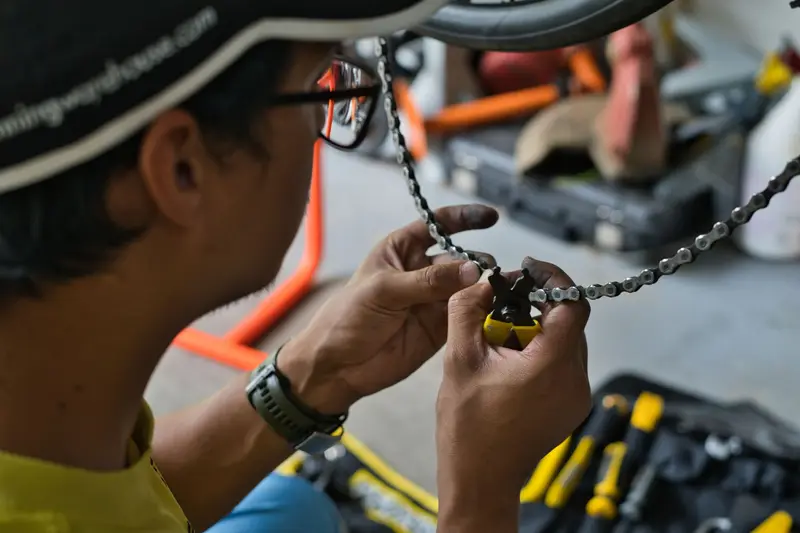
**Monthly, ten minutes.** Clean and lube the chain. Check the brake pads for wear. Run round the bolts, particularly the stem, the rack and anything carrying weight. Look at the electrical connectors for corrosion or grit.
**Every six to twelve months.** A professional service. Everything else is fine to do yourself.
How often should you service an ebike?
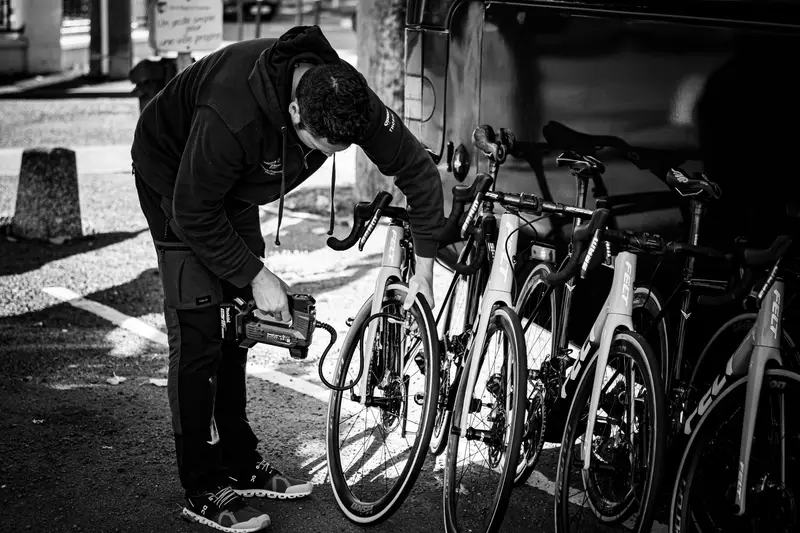
Once a year if you ride casually. Every six months, or roughly every 1,000 to 1,500 km, if you ride most days or carry loads. Sooner if you ride through winter, and I will come back to why.
A service should cover brake bleed and pad replacement, drivetrain wear measurement, wheel truing, bearing check and a firmware update if the manufacturer has issued one. That last item surprises people, and it is worth asking about, since a controller firmware update can change assist behaviour and fix genuine bugs.
This is where I will make my one strong claim: buy from someone who services what they sell. A bike is a relationship rather than a transaction, and the difference shows up two years in, when you need a brake lever for a specific model and the answer is either 'here it is' or a chatbot and a shrug. Every bike we ship is workshop-checked before it goes out rather than drop-shipped from a warehouse that has never seen it, which is the entire reason the company exists.
How to clean an ebike without wrecking it
A bucket of soapy water, a soft brush, a hose on low pressure, and a rag. That is the complete list of equipment.
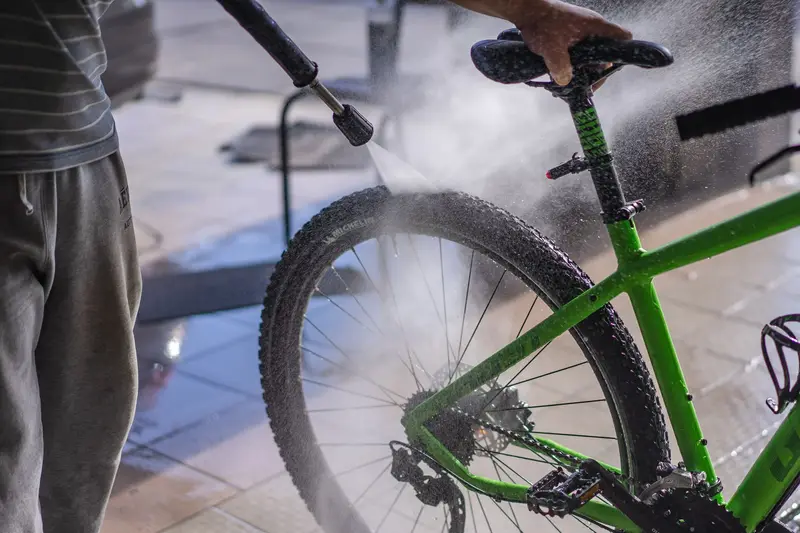
**Never use a pressure washer.** This is the one genuinely destructive thing people do to e-bikes with entirely good intentions. High-pressure water drives straight past seals that ordinary rain never troubles, into bearings, into the motor, into connectors. A bike that is perfectly happy in a downpour can be killed in ninety seconds by someone trying to be helpful.
Wash the frame, avoid blasting the hub, the display and the charge port. Dry the connectors before charging. Re-lube the chain afterwards, because washing strips the lubricant whether you meant it to or not, and a clean dry chain is worse than a dirty lubricated one.
If you ride in wet weather regularly, our wet-weather guide covers the dry-down routine in more detail.
The electric bike maintenance nobody mentions
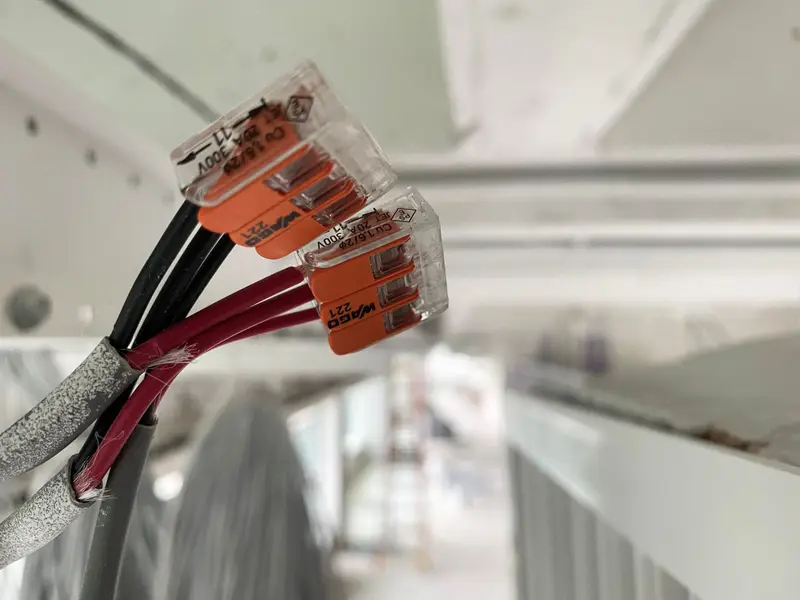
Three things that are not on any checklist and cause a disproportionate share of problems.
**Connectors.** A loose or corroded plug between battery and controller presents exactly like a dead motor. It is free to fix and it is the first thing to check before anything expensive is suspected. Unplug, look, reseat.
**Battery storage, not battery charging.** Keeping a pack between 20% and 80% for long storage does more for its life than anything else you can do, and leaving it empty over a winter or full in a hot car does real damage. A well-treated pack gives 800 to 1,000 full charge cycles before dropping to 80% capacity, three to five years of normal use. A badly stored one gives a fraction of that while the owner blames the brand.
**Salt, if you ride winters.** Cold does not end e-bikes; road salt does. It keeps corroding after the bike is dry, working into the chain, the cassette, the brake hardware and every connector it can reach. A plain water rinse after a salted ride, then dry and re-lube, is the difference between a drivetrain lasting years and lasting one season.
When to stop fixing and start replacing
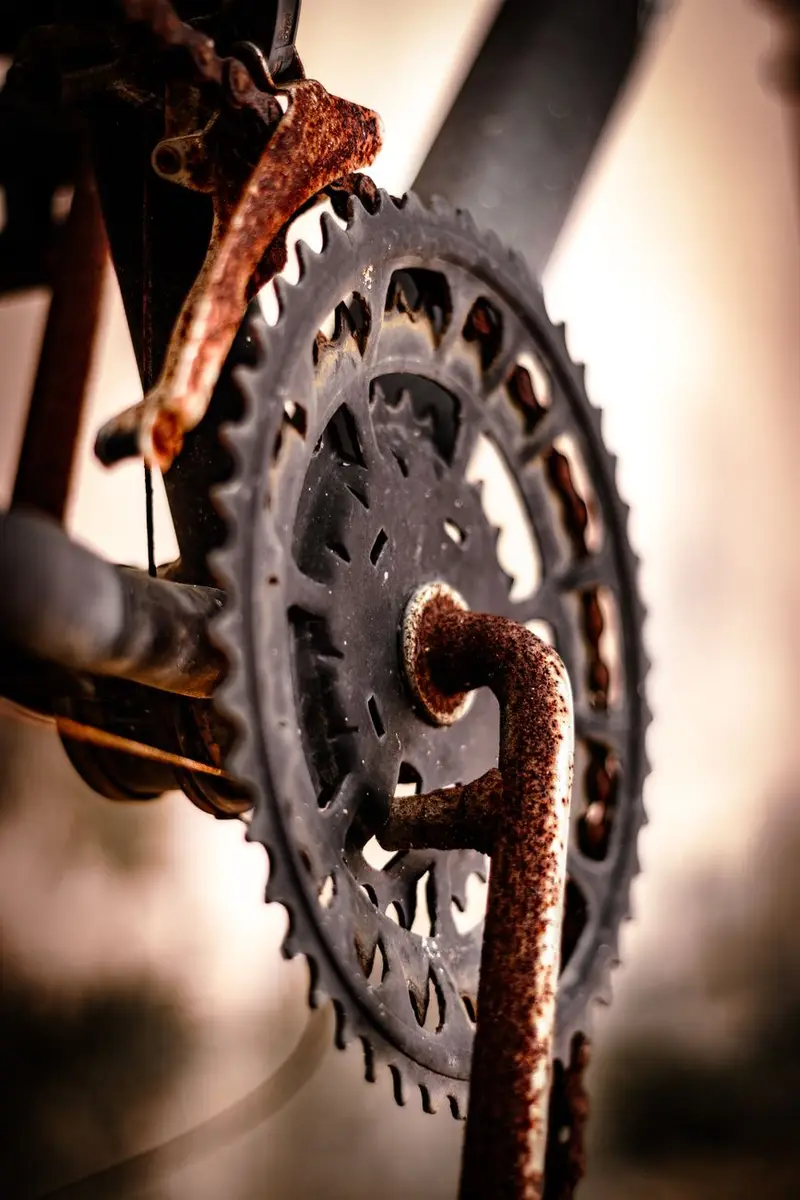
Chains and brake pads are consumables. Replace them without sentiment: a worn chain grinds down the cassette, so postponing a $30 job creates a $150 one.
The battery is the real decision. The threshold worth using is when range has dropped below roughly 60% of new **and** a genuine replacement pack costs less than half a new bike. Then replace the pack, not the bike. Above that, keep riding it.
And the honest one: some bikes are not worth maintaining. If the brand is three letters and a shrug, no shop stocks the parts, and the pack was never certified, there is nothing to service. That is not a maintenance problem, it is a purchase that already happened, and the only fix is buying differently next time. Our accessories guide covers the tools worth owning for everything above, which is fewer than you would think.
Straight answers

Do electric bikes need maintenance?
Yes, slightly more than an ordinary bicycle because the extra weight and speed wear brakes and drivetrains faster, but far less than a car. The electrical parts need almost nothing: the motor is sealed, the controller has nothing to service, and the battery wants sensible charging rather than hands-on care.
What is a realistic ebike maintenance schedule?
Thirty seconds before each ride for brakes, tyres and battery seating. Five minutes weekly for tyre pressure. Ten minutes monthly to clean and lube the chain, check pads and bolts, and inspect connectors. A professional service every six to twelve months depending on mileage.
How often should you service an ebike?
Annually for casual riding, every six months or roughly 1,000 to 1,500 km for daily riding or load carrying, and sooner if you ride through salted winters. A service should cover brakes, drivetrain wear, wheel truing, bearings and any firmware update the manufacturer has issued.
How do you clean an ebike?
Soapy water, a soft brush, a hose on low pressure and a rag. Avoid blasting the hub, display and charge port, dry the connectors before charging, and re-lube the chain afterwards since washing strips the lubricant. Never use a pressure washer.
Can you pressure wash an electric bike?
No. It is the most destructive thing owners do with good intentions. High-pressure water pushes past seals that ordinary rain never troubles, into bearings, motor and connectors. A bike that is perfectly happy in heavy rain can be ruined in under two minutes.
How long does an ebike battery last?
Around 800 to 1,000 full charge cycles before dropping to 80% of rated capacity, which is three to five years of normal use. Storage matters more than charging: keep it between 20% and 80% for long periods and out of extreme cold or heat, and it will reach the top of that range.
Can I do electric bike maintenance myself?
Almost all of it. Tyres, chain, bolts, cleaning and connector checks need no special tools or knowledge. Leave brake bleeding, drivetrain wear measurement, wheel truing and anything involving opening the motor or battery to a workshop.
When should I replace an ebike battery instead of the bike?
When range has fallen below roughly 60% of new and a genuine replacement pack costs less than half the price of a new bike. Above that threshold, replacing the pack is clearly the better value. Use only a manufacturer-supplied pack.
Owen Fraser
Rides through Canadian winters that end most bikes, 31, and has replaced enough salt-eaten drivetrains to be unsentimental about maintenance. Owns more chain lube than any one person needs.
Keep reading
Browse the range
Still not sure which one? Give us a shout.