
Owen Fraser · Canada · 10 min read
Belt Drive Electric Bike: What You Gain
Published 2026-08-19
TL;DR
A belt drive electric bike swaps the chain for a toothed carbon belt: no lube, no rust, years between drivetrain services, and a genuinely quiet ride. The trade is real too — a higher purchase price, fewer gear options than a wide-range derailleur, and a frame built specifically to fit one. It's an easy yes for a flat-to-rolling daily commute you want to stop thinking about. It's a harder sell if you ride steep, technical terrain or want the cheapest possible way onto two wheels.
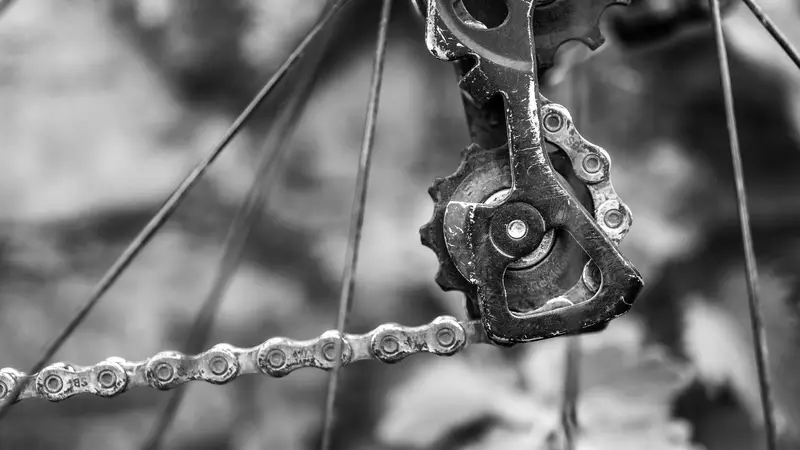
Every autumn I do the same ritual on my old commuter: strip the chain, drown it in degreaser, relube, and brace for the noise a salted road makes to a drivetrain over the next five months, which is roughly the sound of a bag of chips being crushed slowly for five months. My current bike has skipped that entire routine for three winters running. I hose the belt down once a week and it does not care. It has never once made the chip-bag noise. That's most of the pitch, right there.
A belt drive electric bike replaces the chain with a toothed carbon-fibre belt, and the honest version of the trade is this: you get years of close-to-zero drivetrain maintenance and a properly quiet ride, and you give up gear range and a chunk of the purchase price to get it. It isn't the universal upgrade the marketing around it implies, and it isn't the right call for every rider. Here's what actually changes, what it costs, and where I'd tell you to save your money and buy the chain instead.
A belt is a chain that gave up being difficult
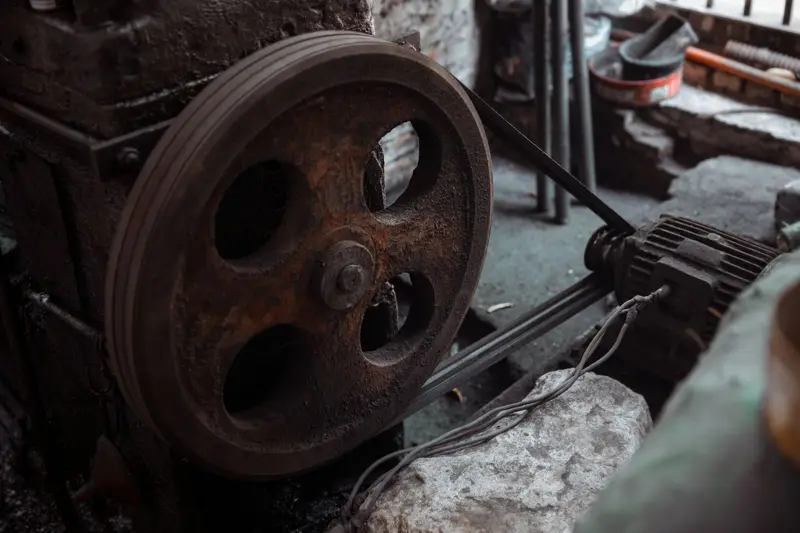
Structurally, a belt drive is close to what's under the bonnet of your car turning the alternator: a closed loop of carbon-reinforced polyurethane, moulded with teeth, running between two toothed pulleys instead of a chainring, a cassette, and a derailleur cage. There's nothing to lube, because there's no metal-on-metal contact for oil to protect. There's nothing to rust, because there's no metal in the loop at all.
The one mechanical catch is that a belt is a continuous loop, unlike a chain, which you can break, thread through a derailleur, and rejoin anywhere. That means the frame has to be built to let the rear triangle split open, or fitted with a breakaway dropout, just to get the belt on in the first place. Gates, the company that makes most of the belt systems on the market confirms it's compatible with mid-drive motors and internal gear hubs from brands like Enviolo and Shimano Alfine, which is the workaround for the derailleur problem I'll get to shortly. What it isn't compatible with, on any bike, is a derailleur.
(It also looks a lot like a fan belt, because it is, mechanically, almost exactly that. I've had customers ask if theirs is 'meant to look like a car part'. Yes. That's the whole design.)
The maintenance case is the whole case
Ask anyone who's ridden both and the reason they switched is almost never speed or weight, it's the total absence of a Sunday spent scrubbing chain grime off their hands and their trousers. No lube means no black residue on your ankle from a chainring you brushed past. No chain means nothing to stretch, skip, or rust solid after a wet commute you forgot to dry off.
On raw numbers, one industry estimate from ebiketips puts a well-kept belt at 10,000 to 20,000 miles before replacement, against roughly 2,500 miles for a chain ridden the same way. Take it as a directional figure rather than gospel, since real life depends on how the bike's stored and how salty your roads get, but the gap is the whole reason this category exists.
In our own range, the two models we sell with a Gates belt lean into exactly this: the Serial 1 Bash Gen 3 runs it single-speed on a trail-ready frame for riders who want to stop thinking about the drivetrain entirely, and the Serial 1 Mosh/Tribute pairs it with a leather saddle and grips for a bike that's meant to be low-fuss and look the part while doing it. Neither one has a chain to babysit.
Here's what you actually give up
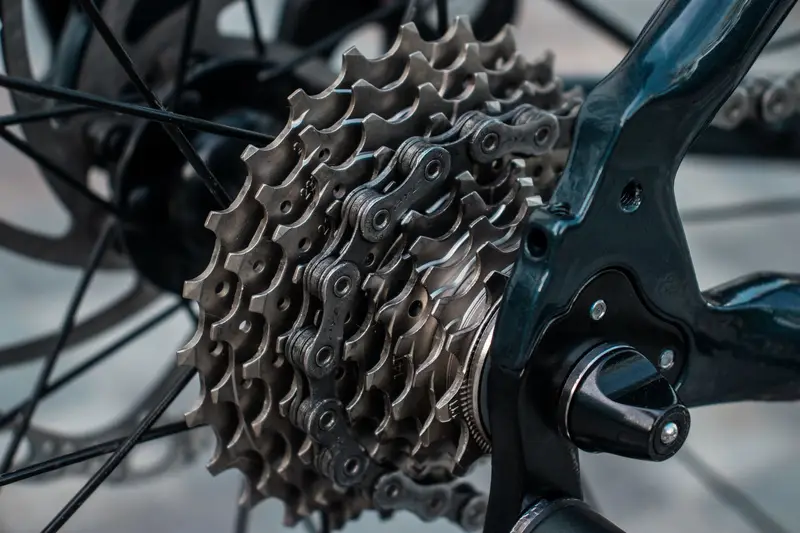
First, gears. A belt won't run through a derailleur, full stop, so every belt-drive bike on the market pairs it with either a single speed or an internal gear hub. Internal hubs top out well short of the range a wide 1x12 derailleur cassette gives you, which matters if your commute includes a genuinely steep, sustained climb rather than the rolling hills most city routes actually are.
Second, price. Belts cost more to build into a frame that's designed to split open for one, and the parts themselves aren't cheap either. Both belt models in our own range sit at $2,999 and up, against $1,199 to $2,199 for a comparable chain-driven city bike elsewhere in the catalogue. You're paying for the years of maintenance you won't be doing, not for a faster or lighter bike.
Third, the fix if something does go wrong is a workshop job, not a driveway job. A snapped chain link is a five-minute roadside fix with a spare quick-link in your saddle bag. A belt that's been sliced or has jumped a pulley needs the frame split open again, which most riders aren't set up to do at home. If your idea of a good Sunday is fixing your own drivetrain, a chain gives you more to actually do. A belt mostly just gives you the afternoon back. (My own spare-parts drawer is not thrilled about this development, but my spare-parts drawer has never once paid for anything.)
What actually survives a bad winter

I've ridden through winters that end most e-bikes, and the thing that kills a drivetrain here was never the cold on its own, it was the salt. A chain left ungreased through three weeks of salted, slushy roads seizes, rusts, and stretches faster than the same bike would wear out anywhere dry. A belt shrugs the same season off, because there's no metal chain for the salt to eat.
Winter won't kill a good e-bike. Salt and the wrong tyres will. That's true of the whole bike, not just the drivetrain, and it's why I still store any battery somewhere warm rather than in an unheated garage over a cold snap. A pack kept warm and cycled properly is good for 800 to 1,000 full charges, three to five years of normal riding. Leave the same battery in the cold all winter and you're spending down that lifespan for no reason, belt drive or not.
None of that makes a belt-drive bike winter-proof on its own. You still want a rinse after a salty ride and tyres suited to the season, same as any bike. What it removes is one whole category of seasonal maintenance, the drivetrain, which for me was the single biggest time sink of any winter I rode a chain.
Who this is actually for, and who should skip it
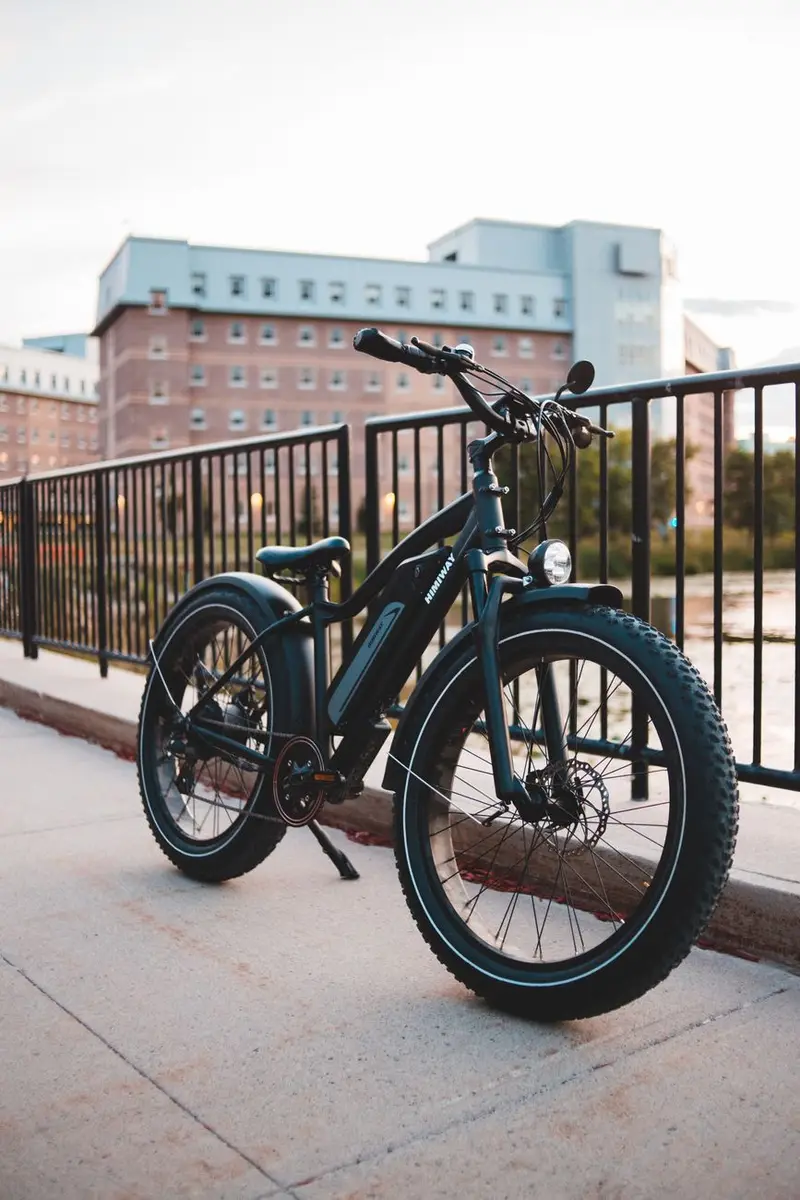
Buy one if your riding is a flat-to-rolling daily route you want to stop thinking about: a commute, a school run, an errands bike that lives outside more than it lives in a garage. That's the exact profile a belt drive rewards, low-drama riding where the maintenance you're not doing adds up over years.
Skip it if you ride steep, technical terrain and want the widest possible gear range to get up it, since no belt-and-hub combination on the market matches a modern wide-range derailleur cassette for climbing options. If that's your riding, our eMTB range is built with exactly that gearing in mind, and a chain is the right tool there, not a compromise.
Skip it too if budget is the deciding factor. The belt premium buys you fewer Sundays with a degreaser over the next five years, not a better bike today, and that's a trade worth making consciously rather than by accident because a spec sheet used the word 'maintenance-free'.
Honest pricing on a belt-drive build
City and commuter bikes generally run $1,199 to $5,999 on the road, and belt-drive options sit at the top of that band or above it. In our own range, the Serial 1 Bash Gen 3 is $2,999, the Gazelle Ultimate C380 pairs a belt with a Bosch motor at $4,749, and the Serial 1 Mosh/Tribute, with its leather finish, runs $5,999. A comparable chain-driven city bike in the same catalogue starts closer to $1,199.
Whatever you spend, the same two checks apply regardless of drivetrain: a 1-year warranty covering frame, motor and battery as standard, and a battery capacity guarantee, ours holds 60% of rated capacity at the one-year mark. A partner-workshop service voucher starts from $70, which covers the occasional belt tension check, still a lot cheaper over five years than five years of chain replacements and degreaser.
Our full breakdown of what an e-bike actually costs to own runs the total cost of ownership math in more depth if you want to weigh the belt premium against what a chain costs you in parts and time over the same years. Either way, know the number before you buy, not after.
Straight answers

Belt drive vs chain ebike: which should you buy?
A belt if the bike is a commuter you want to stop thinking about, a chain if you want gears at the back and cheap parts anywhere in the world. The belt runs clean, silent and for far longer between attention. The chain is repairable in any bike shop on the planet, which matters more the further you ride from one.
What are the best ebikes with belt drive?
City and commuter bikes running an internal hub gear, since a belt needs the gears inside the hub rather than a derailleur at the back. That pairing is why belt bikes cluster at the tidy end of the commuter market rather than on mountain bikes.
What is a belt drive on an electric bike?
A toothed carbon-fibre belt that replaces the chain, running between two pulleys instead of a chainring and cassette. It needs no lubrication and doesn't rust, at the cost of needing a frame built to split open so the belt can be fitted.
How long does a belt drive last on an ebike?
One widely cited industry estimate puts a well-kept belt at 10,000 to 20,000 miles versus roughly 2,500 miles for a chain, though real life depends on storage and how much road salt it sees. Either way, it's a multi-year gap, not a marginal one.
Can you put gears on a belt drive ebike?
Yes, but only through an internal gear hub, never a derailleur. Internal hubs offer a narrower gear range than a wide derailleur cassette, which matters on steep, sustained climbs more than it does on a flat commute.
Is a belt drive worth the extra cost?
If your riding is a daily flat-to-rolling route and you'd rather not think about the drivetrain, yes. If you're chasing the cheapest bike that gets the job done, or you need a wide gear range for real hills, the premium buys you maintenance-free years, not a better ride today.
Do belt drives work in cold or winter weather?
Better than a chain does. There's no metal for road salt to seize or rust, which is the actual winter killer, not the cold itself. Still store the battery somewhere warm and run the right tyres for the season, same as any e-bike.
Owen Fraser
Rides through winters that would end most bikes; knows what actually survives.
Keep reading
Browse the range
Still not sure which one? Give us a shout.