
Lukas Vogt · Germany · 9 min read
2 Wheel Drive Electric Bike: Is AWD Worth It?
Published 2026-09-11
TL;DR
Short version: a 2 wheel drive electric bike runs two hub motors, one in the front wheel and one in the rear, instead of the usual one. It buys real traction on snow, mud and loose ground, not more top speed. We carry exactly one, the QuietKat Ranger AWD, and it is a genuinely bad buy for a normal paved commute. If your riding is tarmac and rain rather than mud and drifts, a single motor and a decent set of tyres already does the job.
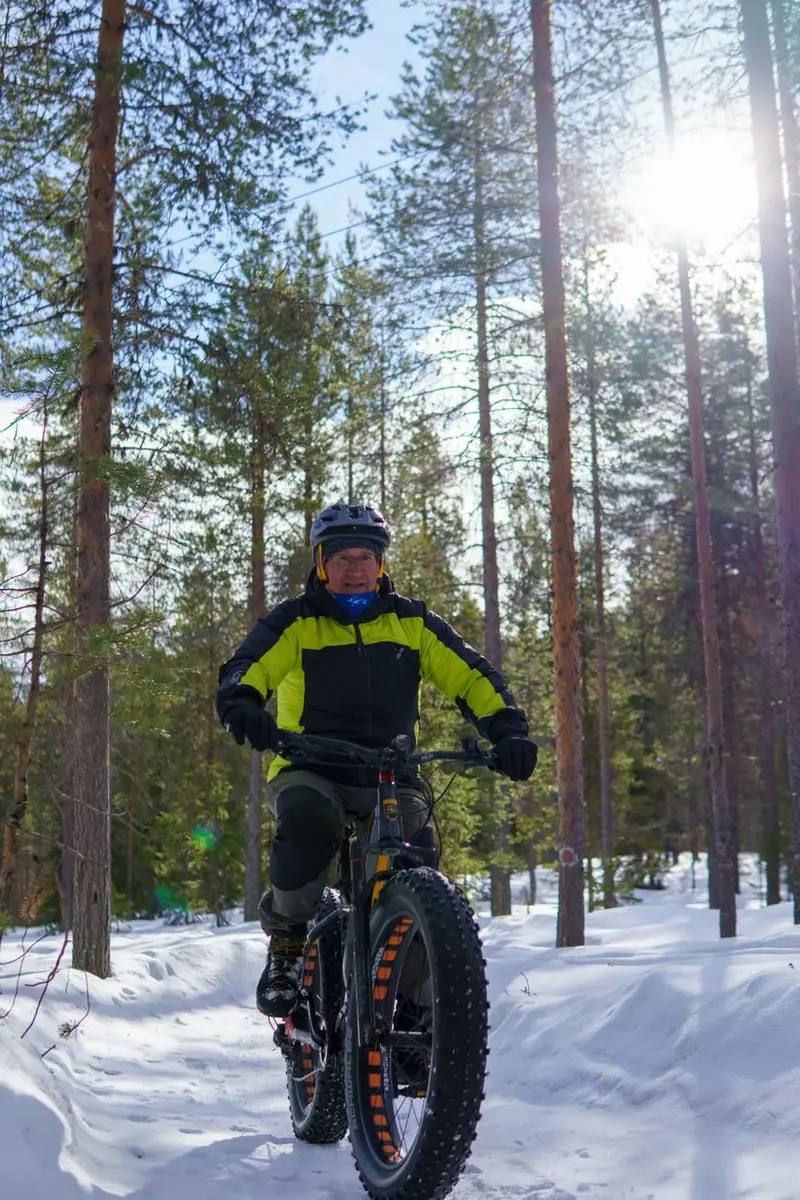
Every winter, somewhere, a single-motor ebike spins its rear wheel on wet leaves and quietly deposits its rider into a hedge. (Sorry to the hedge. It did not ask for this.) A 2 wheel drive electric bike is the answer to that exact moment, and to almost nothing else.
Here's the direct answer: a 2 wheel drive electric bike puts a motor in the front hub as well as the rear, so both wheels pull instead of one. It is not a faster bike. It is a bike that keeps putting power down after the ground stops cooperating, which is a narrower and more honest sales pitch than most AWD marketing bothers to make.
What is a 2 wheel drive electric bike?
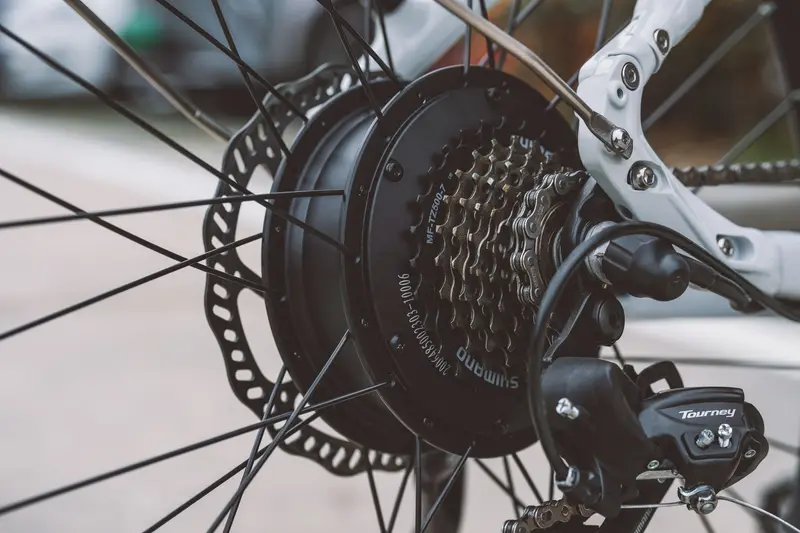
Mechanically, it is two ordinary hub motors, one built into the front wheel and one into the rear, each wired to its own controller and coordinated by the bike's main display so they read as one system rather than two separate bikes bolted together. A regular electric bike, hub or mid-drive, only ever pushes through one wheel. This pushes through both.
We carry exactly one: the QuietKat Ranger AWD at $3,600, running dual 750 W hub motors, an 828 Wh battery and 26x4.5in tyres. That is the only real product example in this whole post, and every number below comes from it and from its single-motor sibling, not from a spec sheet we made up.
The phrase shows up two ways in search, a 2 wheel drive electric bike and a 2 wheel drive electric bicycle, and they mean the same bike. Nobody types the second one out loud at a bike shop counter. (I have never once heard "bicycle" said aloud by a customer. It is a word that exists only in search bars and legal documents.)
Worth being precise here: both motors on an AWD bike are hub motors, not mid-drives. A mid-drive already routes its power through the rear wheel via the chain, so bolting a second one to the front makes little mechanical sense and nobody sells it. If you want the base explainer on hub versus mid-drive first, our hub motor vs mid-drive guide covers that trade-off on its own.
Dual motor electric bike: what the second motor actually buys you

Traction, mostly. On tarmac, one good motor already puts down more torque than a tyre's contact patch can use before it breaks loose, so a second motor is not adding grip you were missing. On snow, mud, loose gravel or sand, the story flips: one wheel spinning uselessly while the other sits idle is exactly the failure a second driven wheel fixes, the same reason a 4x4 car pulls out of a rutted farm track a two-wheel-drive one cannot.
There is a genuine redundancy case too. If one motor or its controller fails mid-ride, the other still turns, which matters more the further you are from a workshop or a phone signal. That is a real advantage for backcountry and hunting use and an irrelevant one for a city commute with four bike shops on the route.
What a dual motor electric bike does not buy you is more top speed or more range. Two motors sharing one battery draw more current under load than one does, which is exactly why the Ranger AWD ships with a 828 Wh pack against the 615 Wh on its single-motor sibling, a 35% bigger battery to feed a bike that is not going any faster.
Dual motor vs single motor ebike: the real trade-offs
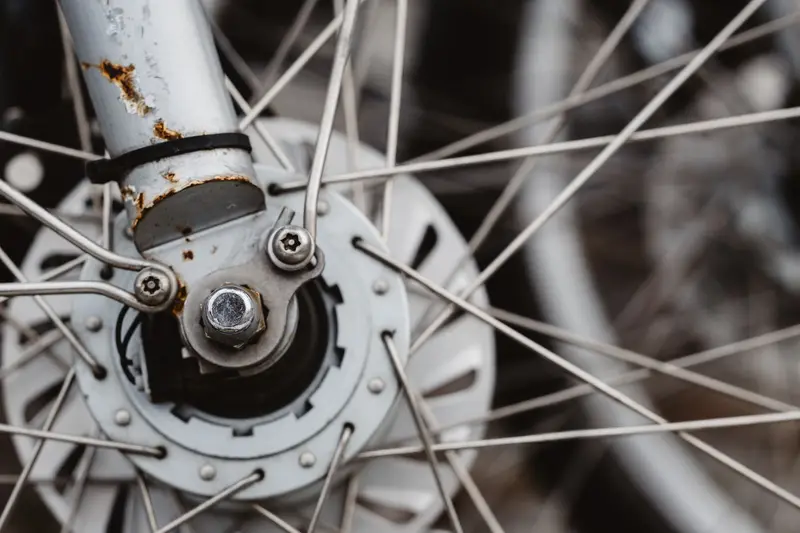
The cleanest dual motor vs single motor ebike comparison we can offer is inside our own range, because the QuietKat Ranger AWD and the QuietKat Ranger XR are close enough to a controlled experiment: same brand, same Ranger family, one variable changed.
The XR runs a single 750 W hub motor, a 615 Wh battery and a SRAM 7-speed drivetrain for $2,500, with real-world range of 39 to 77 km. The AWD runs dual 750 W hub motors, an 828 Wh battery and single-speed drivetrain for $3,600, covering 47 to 84 km. That is $1,100 and a lost drivetrain for a range band that mostly overlaps with the cheaper bike's.
What you are actually paying for is not distance, it's the two or three days a year the ground under the tyres stops behaving like ground. Worth it if that describes your riding. A straight downgrade if it doesn't.
Is a dual motor ebike worth it?
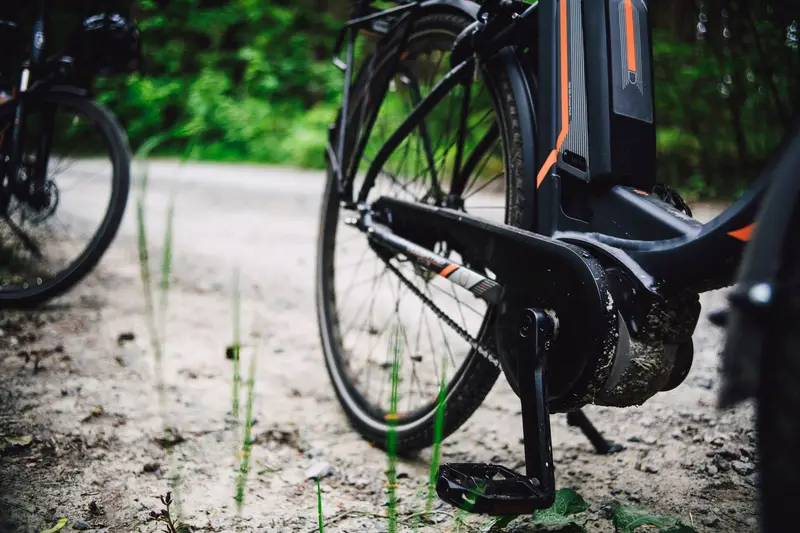
Depends entirely on what the wheels are rolling over. Is a dual motor ebike worth it for a hunter working wet, rutted backcountry trails, or a rider who regularly crosses snow, mud or soft sand? Genuinely, yes. Is it worth it for someone who rides pavement and gets rained on twice a month? No, and I will say so even though it is the more expensive bike.
Here is the opinion I will stand behind: more watts is not more better, and this is the cleanest case of it we have in the whole range. The Ranger AWD runs 1,500 W of combined nominal motor power against the Ranger XR's 750 W, nearly double the headline number, for a bike that trades away its 7-speed drivetrain for single-speed and costs $1,100 more, while covering essentially the same real-world distance: 47 to 84 km against 39 to 77 km. Almost all of that extra wattage is going into traction, not distance or speed, which is precisely the point and precisely why the marketing rarely says it that plainly.
We had a rider ask for the AWD model once for a flat, paved 10 km commute, reasoning that the second motor was cheap insurance against a rare icy morning. It is not cheap insurance. It is $1,100, a heavier bike, and a drivetrain downgrade, all in service of two or three mornings a year that a set of proper winter tyres would have handled for a tenth of the price. We told him. He bought the single-motor bike and a set of studded tyres instead.
An AWD electric bike for hunting: the one bike built for it

This is where an AWD electric bike for hunting genuinely earns its keep, and it is exactly the job the Ranger AWD was built around. Kenda Juggernaut 26x4.5in tyres, an RST 120mm fork with a suspension seatpost, and Tektro 2-piston hydraulic brakes are all backcountry-trail spec, not commuter spec, and the dual motors are there for the same reason a hunting truck runs four-wheel drive: the ground is the variable, not the destination.
It sits in our off-road category alongside the rest of the range built for the same job, and next to our other hunting ebikes if traction on the trail is the whole reason you are reading this. Worth knowing before you buy: the Ranger AWD ships single-speed, where its single-motor sibling keeps a 7-speed drivetrain. That's the real trade this specific bike makes to go all-wheel-drive, and it's a fair one for trail work, less fair for anywhere you'd actually want to shift gears.
At 29.5 kg it sits right at the top of the normal weight band for an electric bike rather than tipping into cargo-bike territory, which is a fairer number than "heavier because it has two motors" suggests. Two hub motors add real weight, but not the kind that changes how you carry or store the bike.
The 750-watt question: is a 1,500 W AWD bike still a bicycle?

US federal law defines a low-speed electric bicycle as a two- or three-wheeled vehicle with working pedals and "an electric motor of less than 750 watts", singular. 15 U.S.C. § 2085 is the actual statute, and most states build their three-class system directly on top of it. A bike with two 750 W motors sits in a genuine grey zone: each individual motor is under the limit, but the combined nominal output is not, and whether a given state or regulator reads the rule per motor or per bike is not settled the same way everywhere.
The Consumer Product Safety Commission has an open rulemaking process on e-bike standards that has not resolved this specific question either, which tells you it is not a settled footnote, it is an active one. Treat any confident one-line answer to "is my AWD ebike legal" with the same suspicion you'd treat a confident one-line answer to any tax question.
This is exactly the kind of rule that differs by region and should never be stated as universal. PeopleForBikes tracks the US state-by-state picture, and our classes explainer covers what each class actually permits once you know which one you are in. Check before you ride somewhere new, not after a park ranger asks.
When a single motor is still the better buy

Don't buy the AWD bike for a flat commute, wet weather you can already handle, or the vague feeling that more motors is more prepared. A single, well-specced motor on decent tyres covers tarmac, rain and light gravel without the extra cost, the extra weight, or the drivetrain you give up to get it.
There is a real, unglamorous maintenance cost too: a second hub motor means a second set of bearings to check for play, and a cable run from the front hub to the controller that has to survive the fork actually turning, a stress a rear motor never sees. None of that is a problem on the trail it was built for. It is a genuine annoyance on a bike that never leaves the road.
If snow, mud or loose ground is a once-a-winter event rather than your daily terrain, a set of proper winter tyres and a single motor will outperform an AWD bike you are using at ten percent of its purpose. Save the extra $1,100 for the tyres and the bike you will actually ride every other day of the year.
Buy the second motor for the ground you actually ride, not the ground you're picturing on the one bad day a year it snows. Your wallet, your garage space and one very confused rear wheel will all thank you.
Straight answers

Is a 2 wheel drive electric bicycle the same as an AWD ebike?
Yes. A 2 wheel drive electric bicycle, a dual motor ebike and an AWD ebike are all the same thing described three ways: one motor in the front hub, one in the rear, both driven at once.
What's the top speed of a 2 wheel drive electric bike?
The same as a single-motor bike in the same class. Top assisted speed is set by regional class rules, not motor count, so a second motor adds torque and traction, not a higher ceiling.
Are dual motor ebikes legal in the US?
It depends on how your state reads the federal 750 W limit: per motor, which a dual 750 W setup technically satisfies, or combined, which it does not. This is genuinely unsettled in places, so check your state's current position rather than assume.
Does a dual motor ebike drain the battery faster?
Under load, yes, since two motors draw current at once rather than one. That's why AWD bikes tend to ship with proportionally bigger packs: our Ranger AWD runs 828 Wh against 615 Wh on the single-motor Ranger XR.
Do dual motor ebikes need two controllers?
Generally yes, one controller per motor, coordinated through the bike's main display so they behave as one system rather than two independently timed ones.
Is a dual motor ebike good for heavy riders or cargo?
It can help, since the load and the traction are spread across both wheels rather than one. Our own AWD model is built for off-road trail use rather than cargo capacity though; if hauling weight is the actual goal, our cargo range is the better starting point.
Can I upgrade a single motor ebike to a dual motor ebike?
Not safely as a bolt-on retrofit on a frame and controller that weren't designed for it. A purpose-built AWD platform has the wiring, controller pairing and fork clearance sorted from the factory; that's a job for buying the right bike, not for the workshop.
Lukas Vogt
Mechanical-engineering background; will explain torque sensors until you beg him to stop.
Keep reading
Browse the range
Still not sure which one? Give us a shout.