
Dave Whitmore · Australia · 10 min read
Hub Motor vs Mid Drive: Which Wins on Hills
Published 2026-09-04
TL;DR
Mid-drive wins on steep hills because it drives the chain and uses your gears, so it can stay near its efficient rpm instead of grinding at one fixed ratio. Hub motors have a single gear ratio and get hot on long climbs. But on flat ground that advantage mostly disappears, and the cost gap is real: the cheapest hub bike here is $799 against $1,795 for the cheapest mid-drive. Buy for the steepest part of your regular route, not the steepest part of your imagination. If your commute is flat, a mid-drive is money spent on a problem you don't have.
There is a particular kind of forum argument about hub motor vs mid drive that has been running since about 2015, and it is usually won by whoever owns the more expensive bike.
I have ridden both up the same hill outside my place more times than is reasonable. The honest answer is that one of them is better at a specific job, and if you don't do that job, you are paying for it anyway.
The difference is where the power joins in
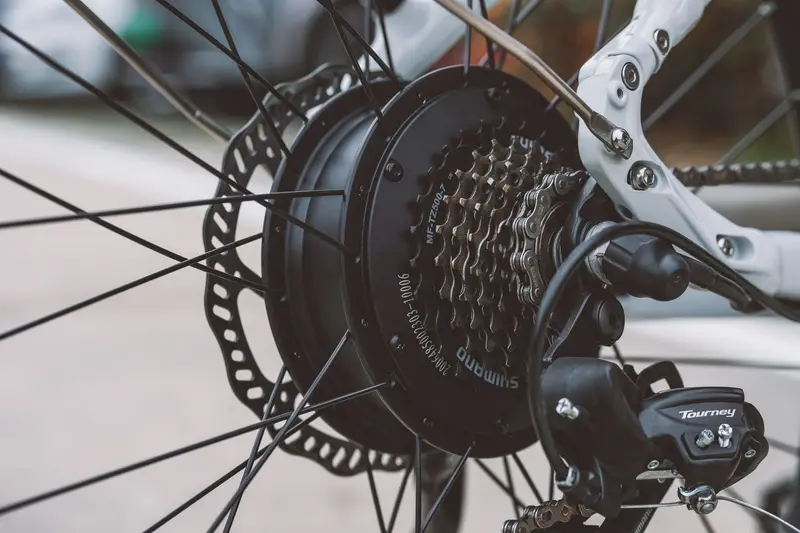
A hub motor lives inside a wheel, usually the rear one, and pushes that wheel directly. It is its own closed system: your chain, cassette and gears have nothing to do with it. Pedal or don't, the motor turns the wheel the same way.
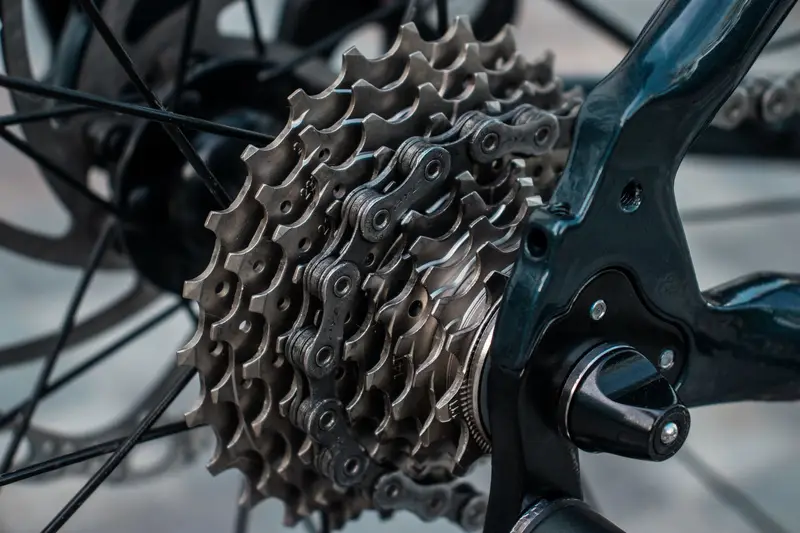
A mid-drive sits at the cranks and drives the chain. That is the whole difference, and everything else follows from it. Because it feeds power into the same chain your legs do, it goes through the bike's gears, which means it can be geared down for a climb exactly the way you gear yourself down.
That single design choice is why the two behave differently on a hill and why they wear differently over a year. Everything else in this comparison is a consequence of it. If you want the full picture of how the parts fit together, our explainer on how ebikes work covers the battery, controller and sensor side.
Mid drive vs hub motor for hills: where they actually differ

If you are shopping for an electric bike for hills, this is the section that decides it. A hub motor has one gear ratio and that is that. On a steep climb it ends up turning slowly against a big load, which is the least efficient thing an electric motor can do. It draws more current, drains the battery faster, and on a long ascent it gets hot. Heat is the real limit, not power.
A mid-drive shifts down with you. It keeps spinning nearer the rpm it likes while the gearing does the hard part, which is the same trick your own legs use. On anything genuinely steep, repeated, or loaded, that is not a marginal gain.
Which ebike motor is best for climbing is therefore a settled question, but it comes with a caveat nobody selling mid-drives mentions: this only matters if your hill is actually steep. A gentle rise is not a hill. Most riders describing a 'hilly commute' are describing something a decent hub motor eats without noticing.
Range depends on your terrain, not on the motor badge

This is where most comparisons quietly mislead. Mid-drives are often described as more efficient full stop, and they are not. They are more efficient *on hills*, because gearing lets the motor work in a better part of its range.
On flat ground that advantage largely evaporates. A hub motor holding a steady speed on the level is not fighting gearing or gravity, and it uses its battery about as well as a mid-drive covering the same flat kilometre. Real-world range across our range runs 45 to 110 km on a charge for both types, and where a given bike lands in that band is decided by battery size, terrain, assist level and rider weight, not by where the motor is bolted.
So if you want more range, a bigger battery buys it more reliably than a different motor does. That is unglamorous and it is true.
What each one costs to buy

Here the gap is not subtle. In our range the cheapest hub-motor bike is the Lectric XP Lite 2 at $799, with a 300 W hub making 28 Nm. The cheapest mid-drive is the Ride1Up Prodigy V2 at $1,795, with a Brose TF Sprinter making 90 Nm. That is roughly a thousand dollars of difference before you have ridden anywhere.
It is also worth seeing what that money buys, because it is not watts. The Lectric XP4 at $1,299 runs a 750 W hub motor producing 85 Nm. The Himiway D5 Pro at $1,999 runs a 500 W Bafang mid-drive producing 130 Nm. The smaller motor makes half again as much torque, because it is geared to.
Which brings me to the one opinion I will push here: more watts is not more better. A well-tuned 250 W mid-drive out-rides a crude 750 W hub on a real hill, every time. Watts describe electrical draw. Torque in newton metres and how the motor delivers it describe what actually happens when the road tilts up. Read the Nm figure and ignore the number in the marketing.
What each one costs when it goes wrong
Nobody puts this in a comparison table and it is the part that shows up in year three.
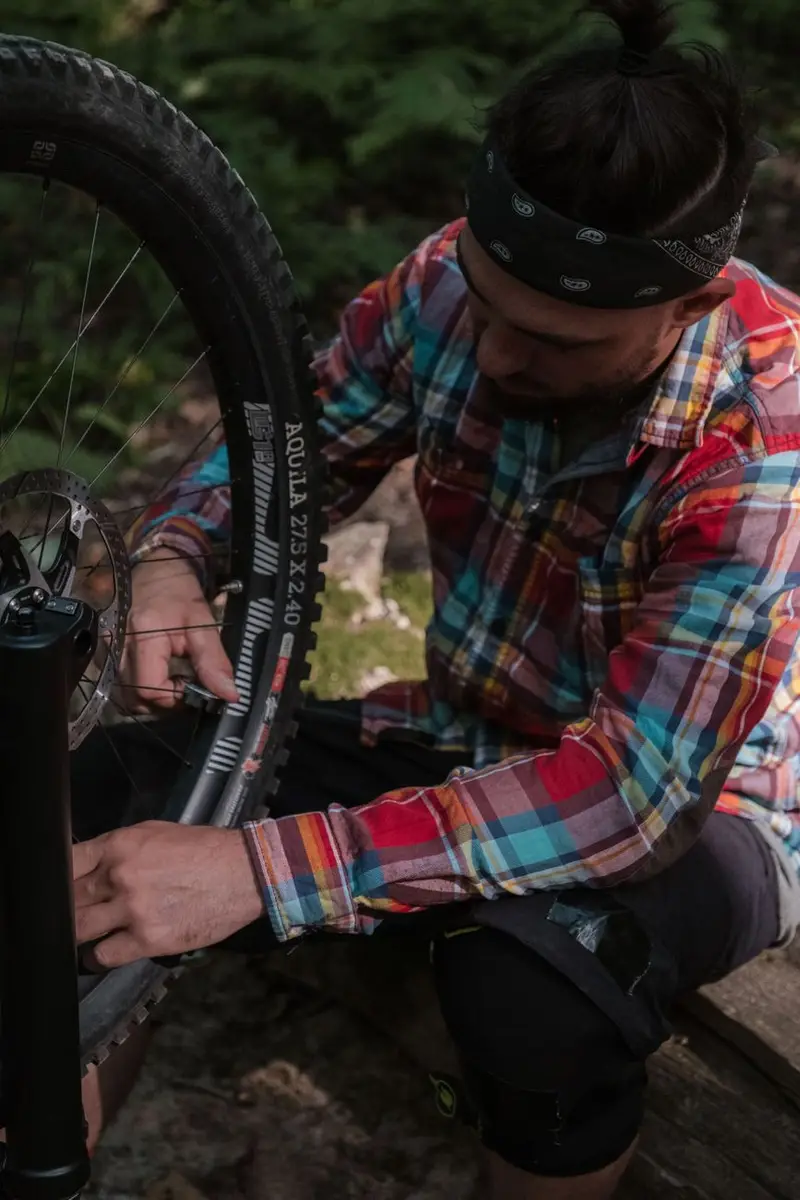
A hub motor is mechanically simple and mostly sealed. It rarely fails. When it does, you are usually replacing a wheel rather than repairing a motor, which sounds dramatic but is a known, boring job any workshop can do. It also means a puncture takes longer, because that wheel has a cable attached to it.
A mid-drive is kinder to the wheel and harder on everything downstream. It puts motor torque through your chain and cassette, so those wear noticeably faster than on a normal bike. Budget for chains more often. It is not a fault, it is the mechanism working as designed, and it is the running cost people are most surprised by. If it bothers you, a belt drive sidesteps the chain question entirely.
Both are covered by our 1-year warranty on frame, motor and battery, so the difference is not risk so much as the shape of the maintenance.
Which one you should actually buy

Pick the motor for the hardest part of the route you genuinely ride every week, not the ride you imagine doing next summer. Mid-drive for hills, loads and range on steep ground. Hub for simplicity, price, and flat-to-rolling terrain. Neither is best. They are different tools, and the industry's habit of ranking them is mostly a function of which one has the better margin.
Here is the part most guides won't say: if your commute is flat, a mid-drive is money spent on a problem you do not have. A customer of ours once paid a large premium for a 140 km range model to cover a 12 km commute. Lovely bike, carried a heavier battery she charged weekly and never came close to emptying. The right bike was two grand cheaper. We told her, she bought the cheaper one, and she thanked us. The same logic applies exactly to motors.
If you're still deciding between whole categories rather than motors, our guide to choosing an ebike starts from the trip instead of the spec sheet, which is the right end to start from.
Straight answers

Which is the best electric bike for hills?
A mid-drive, almost every time. It shifts down through your gears on a climb and keeps the motor near the speed it works best at, while a hub motor is stuck at one ratio and ends up turning slowly against a big load, drawing more current and getting hot. Torque in newton metres matters here far more than watts.
Are mid drive ebikes better than hub motors?
On steep hills, loaded riding and long climbs, yes, because a mid-drive uses the bike's gears and can stay near its efficient rpm. On flat or rolling ground the advantage mostly disappears, and a hub motor does the same job for around a thousand dollars less. Neither is better in the abstract.
Which ebike motor is best for climbing?
Mid-drive, clearly. It gears down for the climb the way your legs do, so it works less hard for the same hill and generates less heat. A hub motor has one fixed ratio, so on a long steep ascent it draws more current and warms up. On gentle rises the difference is small enough not to pay for.
Do mid drive ebikes have more range?
On hilly terrain, yes, because gearing lets the motor work more efficiently. On flat ground, not meaningfully. Range across our range is 45 to 110 km real-world for both types, and battery capacity, terrain, assist level and rider weight decide where a bike lands far more than motor placement does.
What are the hub motor ebike pros and cons?
For: cheaper, mechanically simple, very reliable, no extra wear on your chain and cassette, and it keeps working if the drivetrain does not. Against: one fixed gear ratio so it struggles and heats up on steep climbs, adds weight at the wheel, and punctures take longer because the wheel is wired in.
What is the mid drive ebike maintenance cost?
Somewhat. A mid-drive sends motor torque through the chain and cassette, so those wear faster than on a normal bike and get replaced more often. The motor itself is not unreliable, and a hub motor's own failure mode is rarer but blunter, since it usually means replacing the wheel rather than repairing anything.
Does a higher wattage motor climb better?
Not reliably. Watts describe electrical draw; torque in newton metres describes turning force. In our range a 500 W mid-drive makes 130 Nm while a 750 W hub makes 85 Nm, because the mid-drive is geared through the bike. Read the Nm figure and how the motor delivers it, not the headline wattage.
Can a hub motor handle hills at all?
Yes, for most real-world hills. It works harder and warms up more than a mid-drive would, but ordinary town gradients are well within a decent geared hub motor's ability. The category only becomes a genuine limitation on sustained steep climbs, heavy loads, or off-road gradients.
Which motor type lasts longer?
Hub motors typically outlast mid-drives as units, because they are simpler, sealed and not stressing a drivetrain. But a mid-drive's shorter-lived parts are the chain and cassette, which are cheap consumables rather than the motor. Over a bike's life the difference is closer than the reliability argument suggests.
Dave Whitmore
Ex-mountain-bike racer, 47, who came to e-bikes cranky after a knee injury and converted inside a week. Has ridden both motor types up the same hill enough times to be unromantic about either.
Keep reading
Browse the range
Still not sure which one? Give us a shout.