
Lukas Vogt · Germany · 9 min read
Dual Battery Electric Bike: Worth It?
Published 2026-08-20
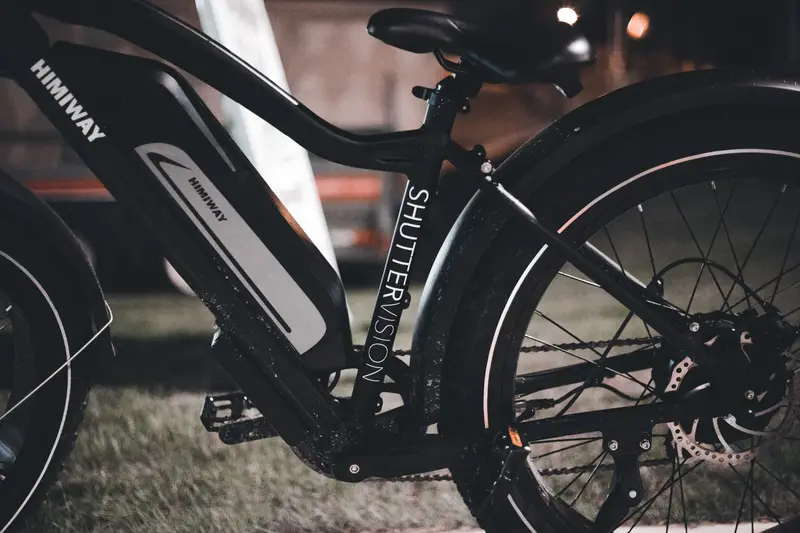
TL;DR
Short version: a dual battery electric bike adds real range, not doubled range, because rider weight, terrain, wind and assist level eat into the extra pack the same way they eat into the first one. Expect meaningfully more distance on a long or hilly route, a genuine jump in weight, and a second battery priced like the first: $500 to $700 for a brand-matched, genuine-cell pack. It earns its keep when one pack honestly runs dry before the ride does. For a short daily commute, it's solving a problem you don't have.
A dual battery electric bike is the answer to a question most riders only ask once, usually somewhere past the halfway point of a ride the first pack wasn't built for. (Mine was a coastal loop that turned out to be forty per cent longer than the map promised. The app apologised. My legs did not accept it.) Bolt on a second pack and, on the spec sheet, you've doubled your range. In the real world you've also doubled the weight sitting over your rear wheel, and added a few hundred euros nobody selling you the bike tends to mention first.
Here's the honest version, from someone who has actually wired two packs into one controller and lived to write about it: a second battery genuinely extends your range. It does not double it once you're outside, and for most riders it solves a problem a cheaper, single-pack bike would have solved on its own.
A second pack buys ebike range, not a new bike
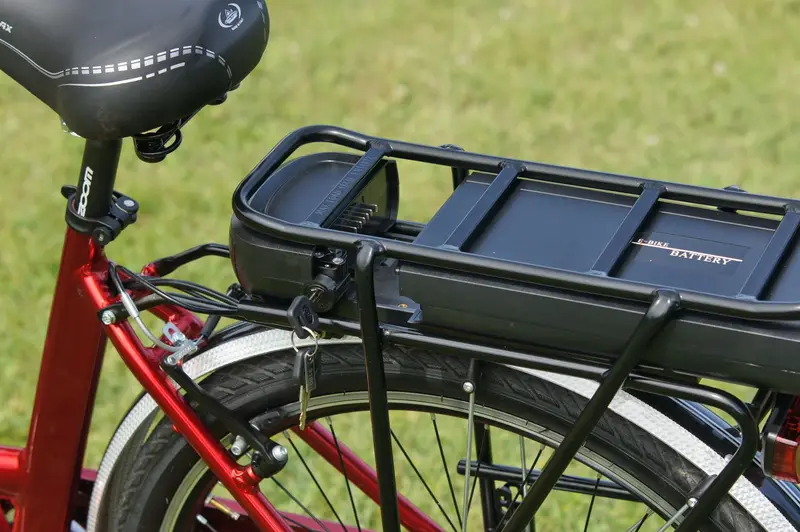
Two batteries on one bike means one of two things: both packs feeding the controller together, or a second pack riding along as a hot-swap spare you click in once the first one taps out. Either way, the point is capacity. Real-world range on a single pack runs 45 to 110 km depending on the model and how hard you lean on the assist, for a 75 kg rider on mixed terrain. Add a second pack of the same size and the theoretical ceiling doubles. Getting there in practice is the next section's problem.
It's not a hypothetical. The Mercedes-AMG City Edition in our range ships with an optional second battery that slots into the seat tube, and the official figure is 113 km with both packs running, on a bike whose motor tops out at 28 mph assist. That's a real, certified example of the format working as intended, not a marketing photo of two batteries taped to a frame.
Think of it as buying a spare tyre for the whole engine, not just the wheel. Belt and braces, except the belt also has its own price tag and its own kilos to carry.
Two packs don't double your kilometres
Doubling the watt-hours on paper does not double the kilometres on the road, and the gap is bigger than most sales pages let on. Wind, hills, cold weather and how heavy-handed you are with the throttle all eat into range at a rate that doesn't care how many batteries you're carrying. A second pack extends the ride. Reliably. It just extends it by less than a calculator suggests, because you're now hauling extra mass the whole way there.
This is where I'll drop the one opinion I'll die on for this post: buy for the trip you actually take, not the one you imagine yourself taking on a good weekend. Nine out of ten riders over-buy range as it is, on a single pack, before anyone's even mentioned a second one. A 12 km commute doesn't need a 140 km single pack, and it definitely doesn't need two of them.
(Yes, I know how that sounds coming from the guy who once wired two packs into one controller for fun. No, I won't apologise. I also don't commute 12 km.)
Parallel wiring and swap-in spares are different animals
There are two real ways to run two batteries on one bike, and they are not the same animal. A parallel setup has both packs feeding the controller at once, matched for voltage and internal resistance so neither one is doing more work than the other. A swap-in setup keeps them separate: ride the first pack down, click in the second, keep going. Manufacturer-designed systems, like the seat-tube swap on the Mercedes-AMG City Edition, are built and tested as one electrical system from the factory, which is the version worth trusting.
Nine out of ten "my e-bike died" stories we hear start with a cut-price, mystery-brand special off a marketplace, and the dual-battery version of that story is worse: two mismatched packs, different chemistry or a different age, wired together by whoever was cheapest to hire. Get the voltage or the internal resistance wrong across two packs and you're not looking at reduced range, you're looking at a fire risk, which is exactly the failure mode US regulators have been trying to write a rule against.
That's not scaremongering for its own sake. The US Consumer Product Safety Commission's proposed rule on lithium-ion batteries in micromobility products exists because incompatible batteries and chargers are a genuine, documented cause of thermal runaway. Every bike we sell with a dual-battery option is certified as one electrical system to UL 2849, battery, charger, controller and wiring tested together, which is the only certification that actually covers what happens when two packs meet one controller.
Building your own dual-battery rig off two mismatched packs and a forum post is a real hobby, and a genuinely interesting one, for people who also enjoy soldering their own smoke detectors. For everyone else, buy the version the factory already tested.
The second pack costs more than the sticker price
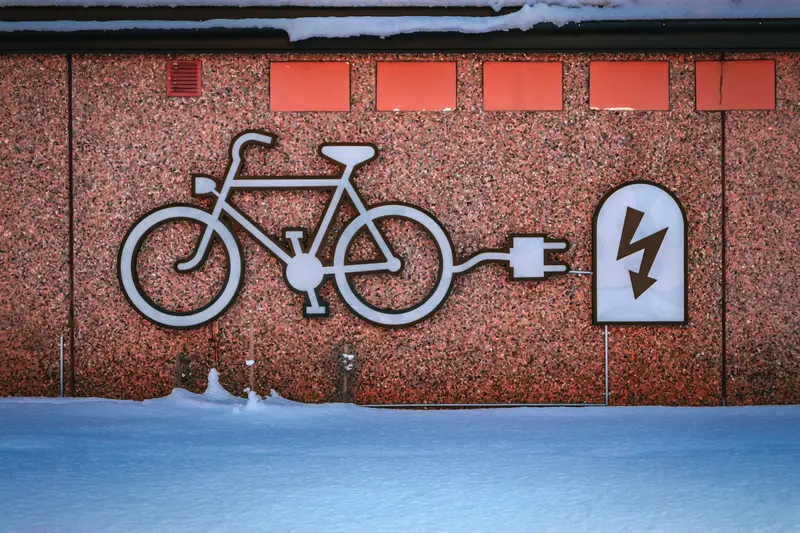
Start with the honest number: a spare or second battery, brand-matched with genuine cells, runs $500 to $700. That's before you've ridden a single extra kilometre on it, and it's the same band whether you're buying it as a factory dual-battery option or a standalone spare for later.
Weight is the part the spec sheet buries. Most e-bikes run 22 to 30 kg once motor and battery are fitted, cargo models 30 to 40 kg for carrying more of everything. A second full-size pack pushes a normal commuter bike meaningfully up that scale, closer to cargo-bike heft, without any of a cargo bike's actual cargo capacity to show for it.
Running costs barely move, which is the one genuinely good part of this. Charging a typical 500 Wh pack costs roughly $0.12 to $0.20 per full charge, so a second pack roughly doubles a number that was already close to nothing. Riding stays around $0.10 in electricity per 100 km either way, against $8 to $15 for the same distance by car, and close to zero CO₂ at the bike versus 18 to 25 kg for the car. The extra pack doesn't touch that comparison. What it changes is the bill on day one and the kilos on every ride after.
Warranty-wise, you're now tracking two ageing batteries instead of one. Our standard cover is 1 year on frame, motor and battery, with a capacity guarantee of 60% of rated capacity retained at that point, and it applies per pack, not per bike. Two batteries means two clocks running, worth remembering the day one starts fading before the other.
When the second pack isn't the answer
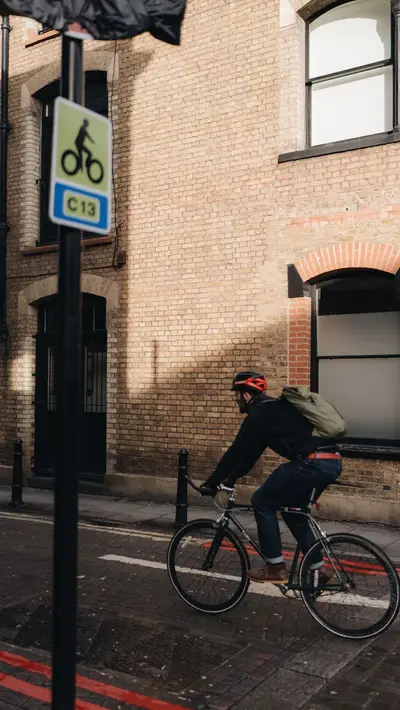
Don't buy a second pack for a commute or a school run that sits well inside a single pack's real-world range. If your round trip is nowhere near the 45 km low end of what one battery does on mixed terrain, you're paying $500 to $700 and carrying extra kilos to solve a problem that was never actually yours. Put that money toward what an e-bike actually costs to own instead: servicing, a decent lock, tyres that actually grip in the wet.
Don't buy one if you live up a flight of stairs, either. We've covered what makes an e-bike genuinely lightweight elsewhere, and a second pack is the exact opposite move: more weight, not less, at the one moment carrying the bike has nothing to do with riding it. If your bike lives in a hallway or gets carried more often than it gets ridden, this is the wrong lever to pull.
And don't buy one purely for peace of mind. Range anxiety is a real feeling and a mostly imaginary problem: you'll check the battery icon obsessively for the first two weeks, same as everyone does, then stop, because the bike keeps doing what the spec sheet said it would. A second pack you use twice a year is an expensive way to feel better about a battery that was already doing its job.
Check these before you bolt on a second pack
If you're going in, go in properly. Voltage and chemistry have to match across both packs, no exceptions, and internal resistance should be close enough that neither battery is quietly doing more work than the other. This is not the place to save money by mixing a new pack with an old one from a different generation.
Check the frame is actually built for it. A factory dual-battery mount, like the seat-tube slot on the Mercedes-AMG City Edition, is engineered and tested as part of the bike. A second battery duct-taped to a pannier rack isn't a dual-battery system, it's a liability with a charging port.
Remember the extra range doesn't change your legal top speed. Assist limits are set by region, 25 km/h in the EU, 20 or 28 mph across the US classes depending on the bike, and they don't move just because you've got more watt-hours behind them. Our guide to how the legal e-bike classes actually work covers the rest of that, and EN 15194 is the European standard worth checking if you're outside the US. If your real need is hauling more, not riding further, our cargo range is built for load from the frame up rather than bolted on after.
Do the maths on your own rides before you do the maths on the spec sheet. Most riders find the first pack was already enough, and the second one exists mostly to make a five-minute stretch of one ride a year feel less dramatic. Buy the range you'll use, not the range you tell yourself you'll need at 2 a.m. before a big weekend that isn't coming.
Straight answers

How long do ebike batteries last?
Around 800 to 1,000 full charge cycles before dropping to 80% of rated capacity, which is three to five years of normal use. Storage does more damage than charging: leaving a pack empty over winter or full in a hot car costs you more life than the riding ever will.
What dual battery ebike range can you actually expect?
Less than double, always. Two packs add weight, and weight costs range, so the honest figure is a large increase rather than a doubling. Work from the real-world number for the single-pack bike and add most of it again, not all of it.
Is a second pack the same as an electric bike range extender?
Usually not. A manufacturer range extender is a smaller auxiliary pack designed for a specific frame and controller. A true dual battery bike is wired for two full packs from the factory. Both add distance; only one of them was engineered for your bike, so check which you are being sold.
Does a dual battery ebike double your range?
Not in practice. It roughly doubles the watt-hours available, but wind, hills, cold and how hard you lean on the assist all eat into range regardless of how many packs you're carrying. Expect a real, meaningful increase, not a clean doubling of the number on the spec sheet.
Can you add a second battery to an ebike that wasn't built for one?
Only if the frame and controller were designed to take it. A factory dual-battery mount is engineered and certified as one electrical system. Bolting a second, unmatched pack onto a bike that wasn't built for it is a real safety risk, not a weekend upgrade.
How much does a second or spare ebike battery cost?
A brand-matched pack with genuine cells typically runs $500 to $700. That's the going rate whether you're buying it as a factory dual-battery option or a standalone spare later.
Is it safe to run two different battery packs together?
Not unless they match on voltage and internal resistance. Mismatched packs are a documented cause of thermal runaway, which is exactly why US regulators have proposed tougher rules on lithium-ion batteries in micromobility products. Stick to a factory-matched pair.
Are dual battery ebikes heavier?
Yes, meaningfully. A second full-size pack pushes a normal 22 to 30 kg commuter bike noticeably up that scale, closer to cargo-bike territory, without any extra load capacity to show for it.
Who actually needs a dual battery ebike?
Riders whose real-world routes genuinely run past a single pack's range: long-haul commuters, hilly terrain, multi-day touring. Not someone buying peace of mind for a 12 km commute they could already do twice over on one charge.
Lukas Vogt
Mechanical-engineering background; will explain torque sensors until you beg him to stop.
Keep reading
Browse the range
Still not sure which one? Give us a shout.