
Lukas Vogt · Germany · 12 min read
Lightweight Electric Bike: What Gets Lighter
Published 2026-08-18

TL;DR
Short version: a genuinely lightweight electric bike sits under about 21 kg, and you get there by paying for a smaller battery, a smaller motor, or a carbon frame, usually some mix of the three. That trade is worth it if you carry the bike upstairs, onto a train, or over a car rack. It's a bad trade if you actually need the range or the load capacity a heavier bike gives you for free. Buy for the lifting you do, not the number on the spec sheet.
My building has no lift, four flights of stairs, and I used to own an e-bike that weighed about as much as a fully grown Great Dane. (Pause for the Great Dane owners to nod. The rest of you, trust me, it's a lot.) Every evening was a small negotiation between me, the bike, and the laws of physics, and physics won more often than I'd like to admit. So I bought a lightweight electric bike, and it fixed exactly the problem I had, and quietly created one I hadn't thought about yet.
Here's the honest version most spec sheets skip: a lightweight electric bike isn't just a lighter version of the same bike. It's a different set of trade-offs, and some of them are worth paying for. Let's go through what actually gets lighter, what that costs, and when the extra kilos on a normal e-bike are doing you a favour.
What 'lightweight' actually means, in kilos
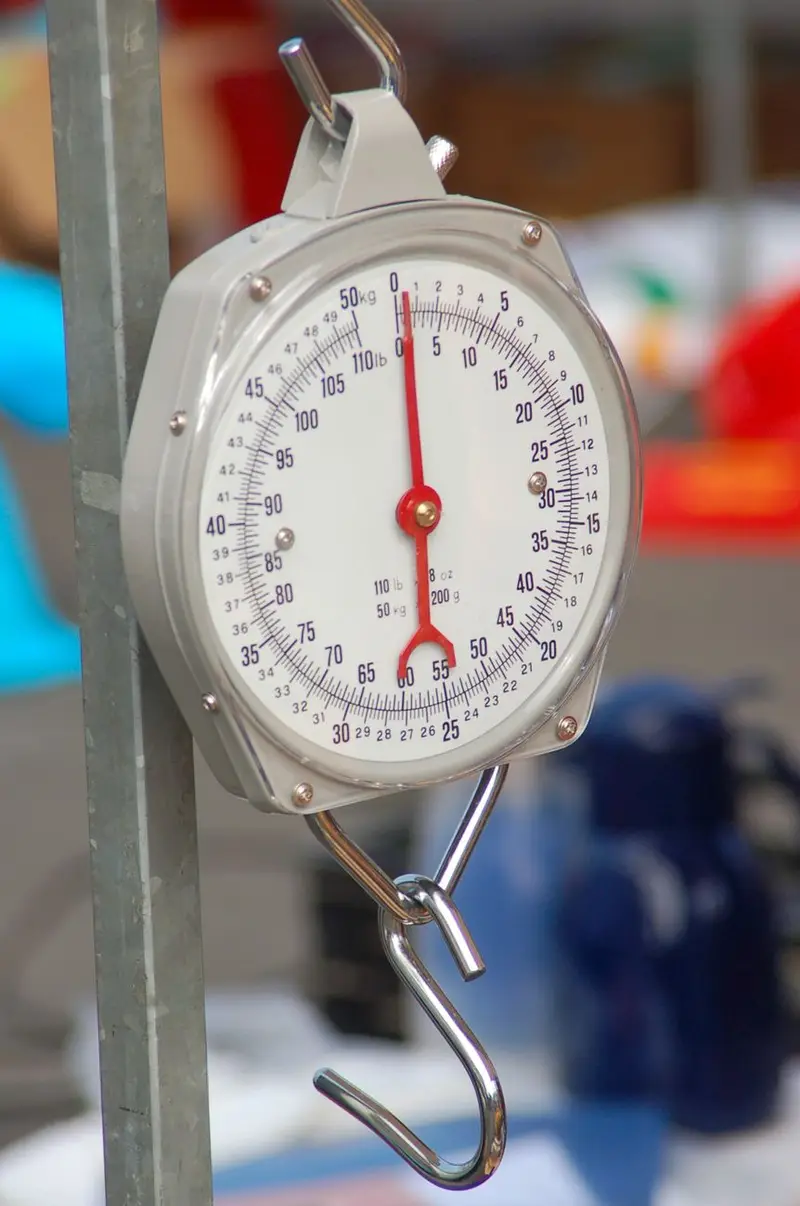
A normal e-bike runs 22 to 30 kg once you add a motor and battery to what would otherwise be a regular bicycle. A lightweight one sits meaningfully under that, and in our own range that runs from the Ducati FUTA at 12.4 kg, which is a carbon road bike at carbon road bike money, down through the Velotric T1 at 17.7 kg to the Aventon Soltera 2.5 at 20.9 kg. Anything under about 21 kg, I'd call genuinely light. Anything from 21 to 25 kg is 'lighter than average', which is a real category, just not the one people mean when they say the word.
It's a spec, not a marketing adjective, and it's worth treating it that way before you shop. Gazelle's own weight guide makes a fair point I'll steal: you'll never notice a few extra kilos while you're riding. You notice them the moment you're not riding, lifting the thing onto a rack, up a step, or through a doorway that wasn't built with a battery in mind.
The number you actually want is on the spec page, not the marketing copy above it. 'Lightweight' gets printed on bikes from 17 kg to 24 kg depending on who's selling them, which is a wide enough range that the word alone tells you almost nothing. Ask for the kilos, not the adjective, the same way you'd ask for the real range instead of 'up to'.
Total ride weight matters more than bike weight alone, and this is the bit most shoppers forget. Add your own weight, whatever you're carrying, and a lock, and a 17 kg bike stops being quite so dramatic a number. It still helps at the one moment that has nothing to do with riding: getting the thing off the ground.
There's a separate number worth not confusing with any of this: the bike's total load rating, meaning rider plus cargo plus lock, the maximum the frame and motor are built to carry. A lighter frame doesn't automatically mean a lower rating, but it's worth checking rather than assuming, since the two numbers get mixed up constantly in reviews written by people who never looked past the marketing page.
Ebike weight: where it actually comes from
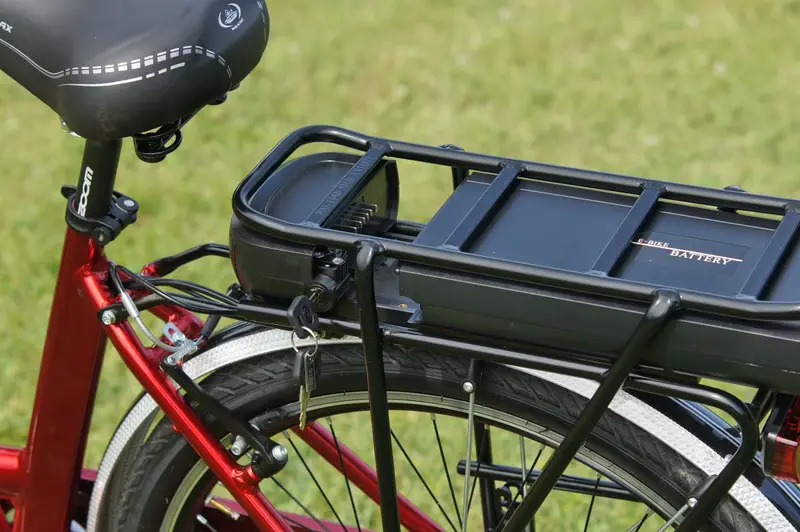
Three places, in order of impact: the battery, the motor, then the frame. A bigger battery pack is the single heaviest thing you can bolt to a bicycle, and it's usually the first thing a 'lightweight' model shrinks. Compare our own catalogue: the Velotric Fold 1 carries a 608 Wh pack and weighs 28.6 kg; the Velotric T1 carries roughly 353 Wh and weighs 17.7 kg. Same brand, wildly different battery, wildly different bike.
Motor size matters less than people assume, and this is the hill I will die on professionally: more watts is not more better. A well-tuned 250 W mid-drive with a proper torque sensor out-rides a crude 750 W hub on a real climb, because torque and how the motor delivers it matter more than the number printed on the box. The Soltera 2.5 makes do with a 350 W hub motor, a torque sensor, and 45 Nm, and it doesn't feel undergunned on a flat commute, it feels calibrated. (I once put a luggage scale on three different demo bikes in the same afternoon, purely to settle an argument with a colleague. I won. It was not a satisfying way to spend a lunch break.)
A cadence-only motor, the kind that just senses pedal rotation rather than how hard you're actually pushing, is usually a few hundred grams lighter than a torque-sensing one. It's also a worse motor to ride, surging on and dropping off instead of scaling with your effort, so it's not a trade I'd make to save the weight of a small apple.
Frame comes last, and it's the smallest lever of the three, which surprises most people who assume it's the whole story. A frame swap from aluminium to carbon saves a kilo or two on the total build. A battery swap from a big pack to a small one saves five or more. If you're chasing kilos, start with the battery question, not the frame material.
Everything bolted on afterwards adds up faster than you'd think, too: an integrated rear rack, full-length mudguards, a kickstand built for a heavier bike than it needs to be, integrated lights wired into the main battery instead of running on their own coin cell. None of it is dramatic on its own. A genuinely lightweight build tends to go easy on all of it at once, rather than cutting one big corner.
Carbon, aluminium, and what the difference actually costs
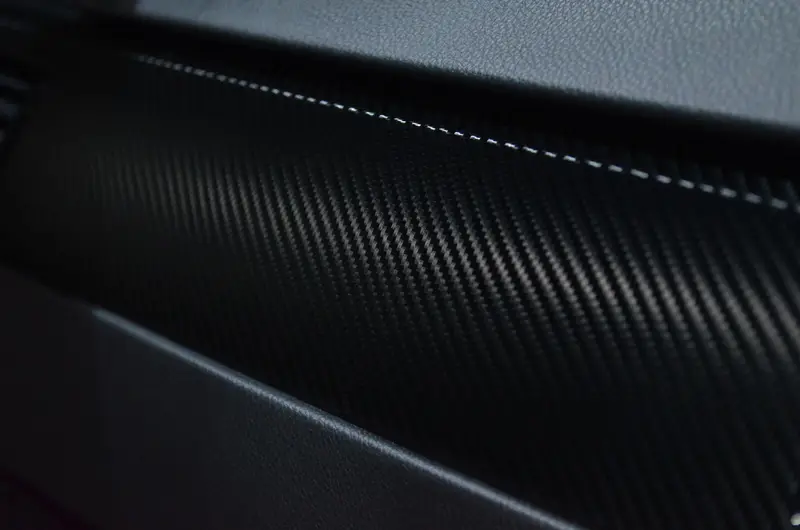
Aluminium is the default for good reason: strong for its weight, cheap to work with, and it's what most of our range is built from. Carbon fibre goes further, offering a genuinely better strength-to-weight ratio and taking shapes aluminium physically can't be pressed into, according to BikeRadar's frame material comparison — but the manufacturing process is slow and specialised, and that cost lands directly on the price tag. On an e-bike specifically, a carbon frame saves you maybe a kilo or two against the battery and motor sitting right next to it, so you're paying a real premium for a small slice of the total weight.
Whatever the frame is made from, the part that actually matters is whether it's been tested to a real standard, not just how the material feels in the shop. EN 15194 is the European standard covering e-bike frame strength, braking and electrical safety together, and it's a better question to ask a shop than 'carbon or aluminium'. A cheap frame that's never seen a fatigue-testing rig is a worse bet than a heavier one that has, regardless of the material stamped on the down tube. Tern's own certification breakdown is a decent plain-English tour of which certifications actually test something, if you want to check a listing against it before you buy.
One myth worth killing here: folding doesn't automatically mean light. The Velotric Fold 1 folds down to fit a hallway cupboard and still weighs 28.6 kg, more than either non-folding lightweight model in our range. Fold and light are two separate design goals, and a bike can chase one without the other.
Steel and titanium exist too, mostly on bikes we don't stock. Steel is heavier than either aluminium or carbon for the same strength, which is why it's rare on anything marketed as lightweight. Titanium is light and famously durable, and priced like it knows both of those things about itself. For most riders, the aluminium-versus-carbon question is the one that actually matters, and the honest answer is: aluminium unless the last kilo is worth real money to you.
What a lighter bike actually gets you

The honest answer is: less lifting, and that's most of it. Most e-bikes run 22 to 30 kg, cargo models 30 to 40 kg, and that's a real number to sit with if you're carrying the thing up a flight of stairs every night the way I used to. Shaving five or six kilos off that is the difference between a bike you resent by the third floor and one you don't think about.
It shows up in smaller ways too: an easier lift onto a car rack, a lighter carry through a train station, less effort wheeling it up a kerb one-handed with shopping in the other. None of it changes how the bike rides once you're on it and moving. It changes every moment you're not.
Storage counts here too, and it's the reason a lot of flat-dwellers ask this question in the first place. A 30 kg bike leant against a hallway wall is a two-person job to move if it ever falls. An 18 kg one is an annoyance. If your bike lives in a hallway, a lift-free stairwell, or a boot rather than a garage, this whole section is the actual point of buying light, and everything else in this guide is secondary to it.
Where lighter quietly costs you

Here's the flip side, and it's the part the shops selling you the lightest bike on the floor won't bring up: a smaller battery means less range, and a lighter frame usually means a lower load limit. We had a customer who paid a real premium for 140 km of range on a 12 km commute, carried a heavier battery they never came close to emptying, and were two grand better off on the smaller pack we talked them into. Run that logic in reverse and it explains the lightweight trap just as well — buying light because the number is appealing, then discovering the 45 km real-world range doesn't cover the weekend ride you didn't plan for.
Don't buy a lightweight e-bike if you're regularly carrying a passenger, hauling groceries for a family, or riding somewhere hilly enough that you want the bigger motor's headroom. The frames are built lighter on purpose, which usually means a lower total load limit than a cargo or standard commuter model, and the smaller battery runs out of patience on a long climb faster than a bigger one would. A lightweight bike is a specialist tool for a specific problem, getting it up a step, a stairwell, or a car boot without a fight. It's not the better bike in general, just the better bike for that one job.
Wind and stability are the other quiet cost, and nobody puts it on the spec sheet. A lighter bike gets pushed around more by a gust or a heavy crosswind than a bike with more mass planted over the wheels, the same way a light car feels twitchier on the motorway than a heavy one. It's not dangerous, it's just a different feeling, and it's worth a test ride before you commit rather than discovering it on the first properly windy commute.
Steep, sustained climbs are the other place a smaller motor and a lighter pack show their limits. A 250 W to 350 W motor on a lightweight build is calibrated for rolling terrain and modest hills, not the sort of gradient that has you standing on the pedals for ten straight minutes. If your daily route includes one of those, the extra kilos of a bigger motor and battery are buying you something real, not just padding the spec sheet.
Honest pricing on a lightweight build

City and commuter bikes generally run $1,199 to $5,999 on the road, and lightweight builds sit across that whole band rather than at the top of it. The Lectric XP Lite 2 comes in at $799 and 18.6 kg, proof that light doesn't have to mean expensive. The Aventon Soltera 2.5 is $1,199 with a torque sensor thrown in, and the Velotric T1 is $2,199 for the lightest and most road-focused of those three. Three prices, three kilos, three genuinely different bikes.
Whatever you spend, check the same two things you'd check on any e-bike: a 1-year warranty covering frame, motor and battery as standard, and a battery capacity guarantee, ours holds 60% of rated capacity at the one-year mark. A spare battery for a light-frame model typically runs $500 to $700, brand-matched, genuine cells only. Skip that on a cut-price marketplace special and you're not buying a lighter bike, you're renting one for a year.
The lightest bike on a marketplace listing is almost always light for the wrong reason: a smaller, uncertified cell pack rather than good engineering. There's no way to tell that from a photo, only from a spec sheet and a warranty that means something. Weigh the bike, then weigh the paperwork behind it.
Servicing a light bike is no different to servicing a heavy one, which surprises people who assume fewer kilos means a more delicate machine. Every bike we sell, light or not, goes through the workshop before it ships, and the running costs are the same regardless of frame material: tyre pressure, chain lube, a brake check, keeping the battery between 20 and 80% for storage rather than leaving it flat or full. Do that and 3 to 5 years out of a battery is normal, on a 17 kg bike exactly as much as a 27 kg one.
Which one you should actually buy
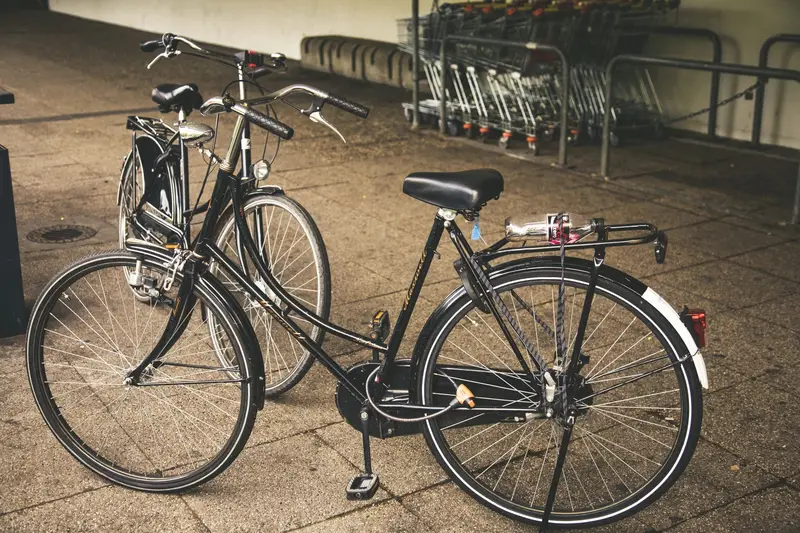
Buy light if you carry the bike more than you'd like to admit, upstairs, onto racks, through doorways, and your rides are short enough that a smaller battery never gets tested. That's the commuter crowd more than anyone, and it's exactly what a lightweight build is for.
Buy normal weight if you need the range, the load capacity, or the motor headroom a bigger battery and motor give you. There's no prize for the lightest bike in the car park if you're pushing it the last 3 km because the battery gave out. Our full breakdown of what an e-bike actually costs to own and our guide to how the legal classes work cover the rest of the spec sheet. This is the one part of it you can actually feel with your own arms, so weigh it before you buy it, not just the ride.
If you're still not sure, do the maths on your own week rather than mine. Count the flights of stairs, the kerbs, the number of times a month you actually lift the bike rather than ride it. That number, not the spec sheet, is the one that should decide this.
Test ride both ends of the scale before you commit either way, a genuinely light build and a normal-weight one on the same afternoon if the shop lets you. The difference is obvious within about thirty seconds of picking each one up, and considerably less obvious once you're actually riding, which tells you most of what you need to know about where the weight question actually matters.
Straight answers

What are the best lightweight e bikes?
The ones that got light by using a smaller motor and a smaller battery rather than by thinning the frame. That is the honest trade, and it is why the best lightweight e bikes tend to be city and gravel bikes rather than anything expected to carry a load.
Is an electric lightweight bike worth the premium?
If you carry it, yes, and the answer is not close. If it lives at ground level and you only ever ride it, an electric lightweight bike buys you very little for the money, and the same budget spent on a torque sensor or better brakes changes more about the ride.
What is the lightest electric bike for apartments?
A folding model, almost always, because the weight comes down and the shape gets easier through a doorway at the same time. If it has to go up several flights daily, treat weight as the first spec and everything else as negotiable.
What actually counts as a lightweight electric bike?
Under about 21 kg is genuinely light. A normal e-bike runs 22 to 30 kg once motor and battery are added, so anything meaningfully below that range is doing real work to shed weight, usually from a smaller battery.
Does a lighter e-bike mean less range?
Usually, yes. The battery is the heaviest single part on any e-bike, so a lighter model almost always carries a smaller pack. Check the real-world range against the trip you actually ride before you buy on weight alone.
Is a carbon frame worth it on an e-bike?
It saves a kilo or two against the weight already sitting in the battery and motor, at a real price premium. Worth it if every gram matters to you; for most riders, a smaller battery does more for total weight at a fraction of the cost.
Are folding e-bikes always lighter?
No. Folding is a separate design goal from light. Some folding models carry a full-size battery and motor and end up heavier than a non-folding lightweight bike, so check the actual kilo figure, not the fold.
Can you make a heavier e-bike lighter after buying it?
Only at the margins — lighter pedals, a smaller saddle, dropping accessories you don't use. The battery, motor and frame are the real weight and none of them are worth swapping after the fact. Buy the weight you want up front.
Is a lightweight e-bike less durable than a heavier one?
Not inherently. Durability comes from certified components and a frame tested to a real standard like EN 15194, not from extra kilos. A light, certified bike outlasts a heavy, uncertified one every time.
Lukas Vogt
Mechanical-engineering background; will explain torque sensors until you beg him to stop.
Keep reading
Browse the range
Still not sure which one? Give us a shout.