
Lukas Vogt · Germany · 9 min read
How Fast Do eBikes Go? The Real Numbers
Published 2026-09-05
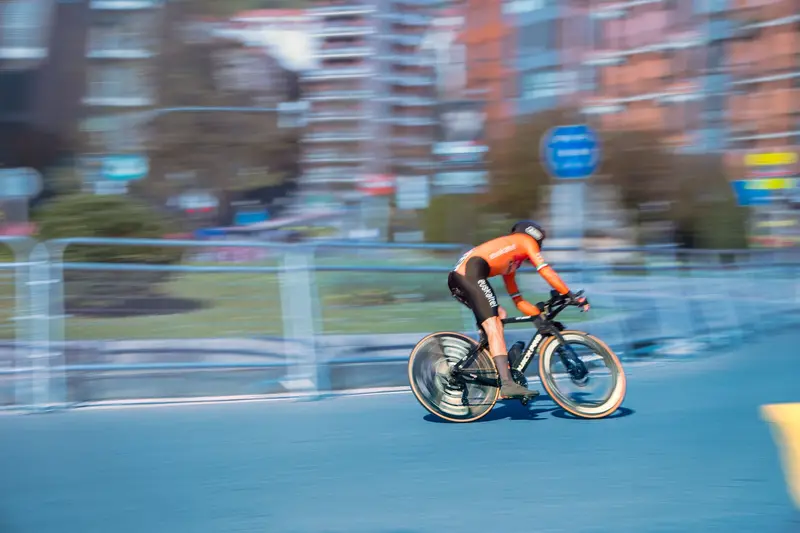
TL;DR
Assist stops at 20 mph on a US Class 1 or Class 2 bike, 28 mph on a Class 3, and 25 km/h across the EU. Past that the motor simply stops helping, which is a very effective speed limit when the bike weighs 22 to 30 kg. The fastest e-bike you can legally ride on a bike path is a Class 3 at 28 mph; anything sold as faster is a moped that has not told you yet. Your real average is set by traffic lights, not by the motor, so the headline number matters far less than the shop wants it to.
An e-bike goes exactly as fast as the law where you live allows, and then not one bit faster, because there is a small chip inside it whose entire job is to be disappointing at precisely the right moment.
I have spent more of my career than I intended explaining that sentence to people who were hoping for a different one. So here are the actual numbers, what happens when you hit them, and the second question almost nobody asks: not how fast the bike can go, but how fast you will actually average. That one decides whether the bike beats your car, and it is much lower than the box suggests.
How fast do ebikes go? 20 mph, 28 mph, or 25 km/h
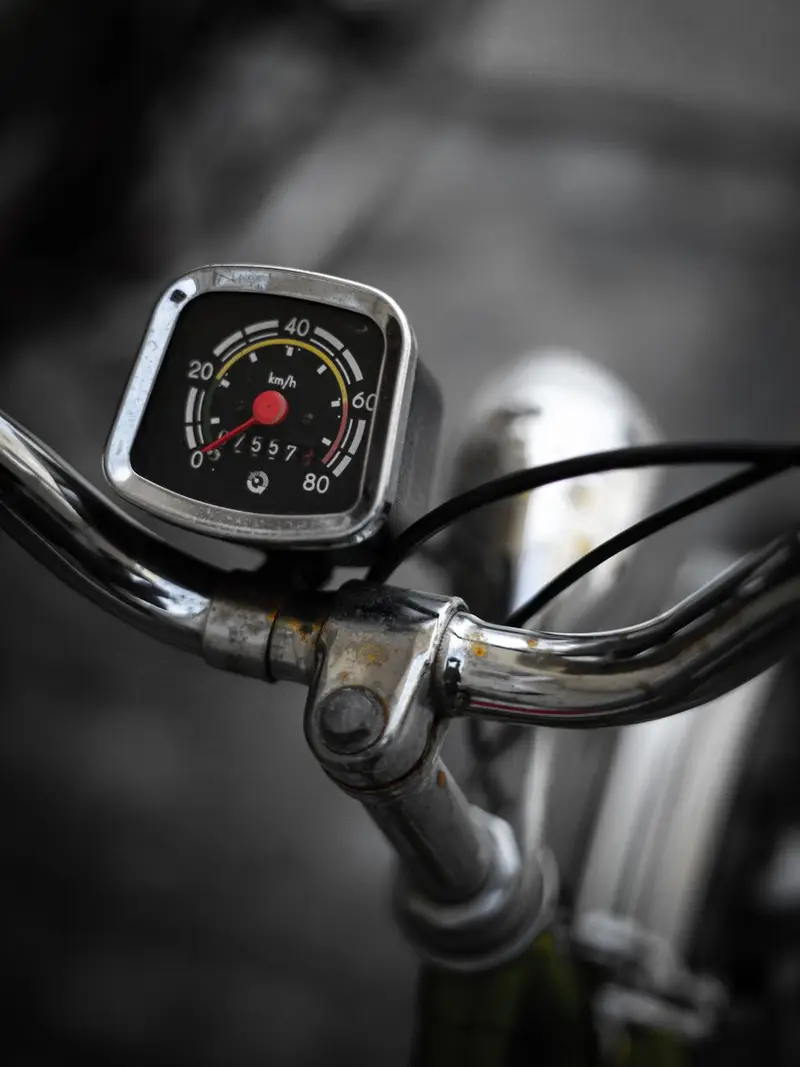
Three numbers cover almost the whole world, and which one applies to you is a question of geography rather than engineering.
In the US, **Class 1 and Class 2 bikes cut assist at 20 mph** and **Class 3 cuts at 28 mph**. Across the **EU the cap is 25 km/h**, flat, with no classes involved at all. A bike built for the German market and one built for the American market can share a motor, a frame and a battery, and still stop helping at different speeds, because the only real difference is a setting.
What the cap does is worth being precise about. It does not brake you. It is not a governor fighting your legs. The motor simply stops adding power, and from that moment you are riding an ordinary bicycle that happens to weigh 22 to 30 kg. Nothing dramatic happens. The assistance just leaves, quietly, like someone remembering another appointment.
Because the rules are regional and change more often than the hardware does, check yours rather than the spec sheet: PeopleForBikes tracks the US state picture, and the UK government rules for electric bikes cover the 15.5 mph European-style limit. Our classes explainer is the long version of what Class 1, 2 and 3 actually mean.
How fast can an ebike go once the assist cuts out?

As fast as your legs can push a heavy bicycle, which is a sentence that answers itself for most people.
On the flat, past the cut-off, you are fighting air resistance with no help at all, on a machine carrying a motor and a battery you are no longer being paid back for. Riders who are strong and determined get a bit above the cap. Everyone else discovers that the cap and their honest top speed are roughly the same number, which is a tidy piece of design if you think about it.
Downhill is the exception, and it is a large one. Gravity has not been regulated yet. A 25 kg bike with a rider on a decent descent will pass any assist limit comfortably and legally, because no motor is involved in doing it. This is also the moment to remember that you are now stopping 25 kg rather than 11, which is exactly why hydraulic disc brakes are worth the money on a heavier bike.
The other thing that happens past the cut-off is that people go looking for a way around it, which brings us to the section that will annoy somebody.
Average ebike speed is well below the limit

Here is the number the marketing never mentions: your average speed has almost nothing to do with your top speed. It is set by junctions.
A city ride is a sequence of accelerations and stops. Traffic lights, give-ways, pedestrians, that one roundabout everyone in your town complains about. You spend a surprising share of any urban journey doing nought, and no motor on earth improves your average while you are stationary at a red light contemplating your choices.
Do the arithmetic on your own commute rather than trusting a headline. A 12 km ride averaging 20 km/h door to door takes 36 minutes. The same 12 km averaging 24 km/h takes 30. Six minutes is a real difference and worth having, but notice that neither figure is anywhere near 25 km/h of assist, let alone 28 mph, and notice that the thing which moved it was fewer stops rather than more power.
We had a customer who paid a large premium for a 140 km range model to cover a 12 km commute. Lovely bike. They were hauling a heavier battery they charged once a week and never came close to emptying, and the right bike was two grand cheaper. We told them, they bought the cheaper one, and they thanked us for it. The same mistake gets made with speed, just with fewer people willing to admit it afterwards.
How fast does an ebike go uphill, or into a headwind?

Slower than the cap, and this is where bikes that share a top speed stop resembling each other at all.
On a climb you are no longer limited by the speed setting. You are limited by torque, which is the twisting force the motor can actually produce, measured in newton metres. Two bikes can both cut out at 25 km/h and behave completely differently on a hill, because one of them runs out of pulling power at walking pace and the other does not.
So here is the opinion I will defend at length and have, repeatedly: **more watts is not more better.** Watts describe electrical draw. A well-tuned 250 W mid-drive out-climbs a crude 750 W hub motor on a real hill, because the mid-drive puts its power through the gears and multiplies it, while the hub is stuck turning the wheel directly at whatever speed the wheel happens to be turning. The headline wattage tells you what the bike consumes, not what it can do. Hub motor vs mid drive goes through the mechanism properly.
Headwinds work the same way and feel worse, because at least a hill has the decency to be visible. Expect a genuine hit to your speed on an exposed route, and expect your range to take one too, since holding speed against resistance is the most expensive thing the battery ever does.
What's the fastest ebike you can legally ride?
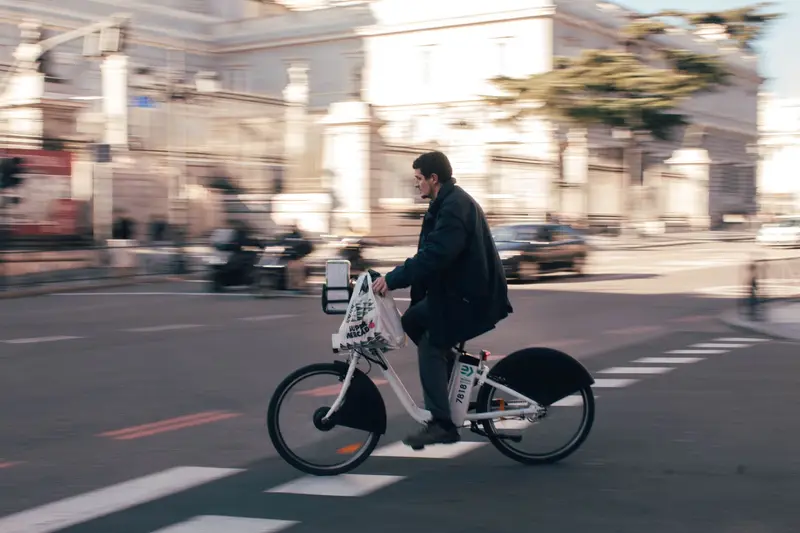
In the US, a Class 3 at 28 mph. In the EU, 25 km/h. Those are the ceilings, and everything sold above them is a different category of vehicle wearing bicycle clothing.
The machines advertised at 45 or 50 mph are not fast e-bikes. They are electric mopeds or light motorcycles, and in most places that means registration, a licence, insurance, a plate and no legal access to bike paths or cycle lanes. They can be a perfectly good thing to own. They are just not the thing you thought you were buying, and finding that out from a police officer is the expensive way.
Which covers derestricting, briefly. Yes, the tuning kits exist. They void the warranty on every bike we sell, they can reclassify your bicycle as an unregistered motor vehicle, and they put a drivetrain and a set of brakes under loads they were never specified for. If you genuinely need to go faster than 28 mph, buy the vehicle that is designed and certified to do it, rather than persuading a bicycle to pretend.
There is also the quiet trade-off nobody mentions when selling a Class 3: holding a higher speed costs battery. Real-world range across our range runs 45 to 110 km, and the top of that band is not achieved at 28 mph into a headwind. Speed and distance are drawn from the same account.
Average electric bike speed vs a normal bike

On a flat, calm, uninterrupted road, a reasonably fit rider on a normal bicycle is not far off an e-bike, because both are close to the assist cut-off anyway. That is the case people quote when they want to argue the motor is pointless, and on that specific road they have a point.
It falls apart everywhere else. From a standstill at a light, on any gradient, into wind, or with a load on the back, the gap is not subtle. More importantly, the e-bike average holds steady across a whole week, while the unassisted average quietly drops as the rider gets tired, or takes the flat route, or drives instead because it is Thursday and the hill has won.
The measurable difference is not speed, it is that you arrive without needing a shower. That is the thing which makes riding to work survive contact with real life, and it is why people who gave up on an ordinary bicycle stick with an e-bike. Ebike vs regular bike compares them properly, including the parts where the normal bike wins.
When a faster ebike is the wrong buy

**If your route is flat and full of junctions, buy the slower bike.** You will never hold 28 mph on it. You will pay more, carry more weight, and accept more legal restriction in exchange for a number you get to use on about four hundred metres of your commute.
**If you ride on shared paths or cycle tracks, check before you buy.** Plenty of jurisdictions allow Class 1 and Class 2 on bike paths and exclude Class 3 entirely. Buying the fast one and then being unable to legally ride it on your own route is a genuinely miserable way to spend money.
**If a helmet law or a minimum age applies to Class 3 where you live, factor it in.** These vary by state and country and are the sort of detail that only becomes interesting after purchase.
The rule of thumb I give people: buy for the speed you will actually average, not the one printed on the box. Nine times out of ten that means a Class 1 or a 25 km/h bike is plenty, and the money saved is better spent on a torque sensor, decent brakes and lights that work. If you want the fuller version of that decision, our guide to choosing an ebike walks through it. Every bike we send out is workshop-checked before dispatch rather than drop-shipped from a warehouse that has never seen it, and if you tell us your route we will happily talk you down a category when the cheaper bike is the right one.
Straight answers

How fast do ebikes go?
Assist cuts out at 20 mph on US Class 1 and Class 2 bikes, 28 mph on Class 3, and 25 km/h throughout the EU. The motor stops adding power at that point rather than braking you, so past the cap you are pedalling an ordinary bicycle that weighs 22 to 30 kg.
How fast can an ebike go?
Under power, only as fast as its legal cap allows. Past that you can go quicker under your own legs or downhill, where no assist limit applies because no motor is involved, but on the flat most riders find the cut-off and their honest top speed are close to the same number.
What is the fastest ebike?
The fastest one you can legally ride as a bicycle is a US Class 3, capped at 28 mph. In the EU the ceiling is 25 km/h. Anything advertised at 45 or 50 mph is an electric moped or light motorcycle, which usually means registration, insurance, a licence and no access to bike paths.
What is the average ebike speed?
Lower than the cap, because averages are decided by junctions rather than motors. A city ride is mostly accelerating and stopping, and no amount of power improves your average while you are sitting at a red light. Work it out for your own route: 12 km at 20 km/h is 36 minutes door to door.
How does average electric bike speed compare with a normal bike?
On a flat, uninterrupted road the two are surprisingly close, since both sit near the assist cut-off anyway. The gap opens from a standstill, on hills, into wind and under load. The bigger difference is that you arrive without sweating, which is what keeps people riding on the days they would otherwise drive.
How fast does an ebike go uphill?
Well below the speed cap, and the deciding spec is torque in newton metres rather than watts. A well-tuned 250 W mid-drive out-climbs a crude 750 W hub motor because it puts power through the gears. Two bikes with identical top speeds can behave completely differently on the same hill.
Can you remove the speed limiter on an ebike?
Tuning kits exist, and we would not fit one. Derestricting voids the warranty, can reclassify the bike as an unregistered motor vehicle where you ride, and loads a drivetrain and brakes beyond what they were specified for. If you need more than 28 mph, buy a vehicle certified for it.
Do I need a licence to ride a 28 mph ebike?
In most US states a Class 3 needs no licence, though helmet requirements and minimum ages are common and vary by state. In the EU a bike assisted beyond 25 km/h stops being a bicycle in law. Check your own region before buying, because the rules differ far more than the hardware does.
Lukas Vogt
Mechanical-engineering background, 36, and will explain torque sensors until you beg him to stop. Has strong feelings about wattage being the wrong number to shop by.
Keep reading
Browse the range
Still not sure which one? Give us a shout.