
Marcus Hale · US · 9 min read
Electric Bike vs Scooter vs Moped, Honestly
Published 2026-08-22
TL;DR
Short version: a scooter is cheaper and folds smaller, an e-bike goes further and gets in more places, and a moped is a registered vehicle pretending to be neither. For most people replacing car trips under 15 km, the e-bike wins on range and legal access. Buy the scooter if the trip is short and the storage is tiny. Buy the moped only if you actually want a motorcycle licence and the paperwork that comes with it.
An electric bike and an electric scooter look like the same decision and are not. One is legally a bicycle. One is legally, in most of the US, a mystery that varies by city and occasionally by which side of a street you are standing on. (I have read the ordinance. Twice. It did not help.)
I sold my second car in 2019 after running the numbers on insurance, fuel and parking, and worked out it cost more per month than most of the bikes we sell cost once. So I have opinions about which of these three actually replaces a car trip, and which one just moves the problem around. Here they are, with the numbers attached.
Moped vs ebike vs scooter: what each one actually is
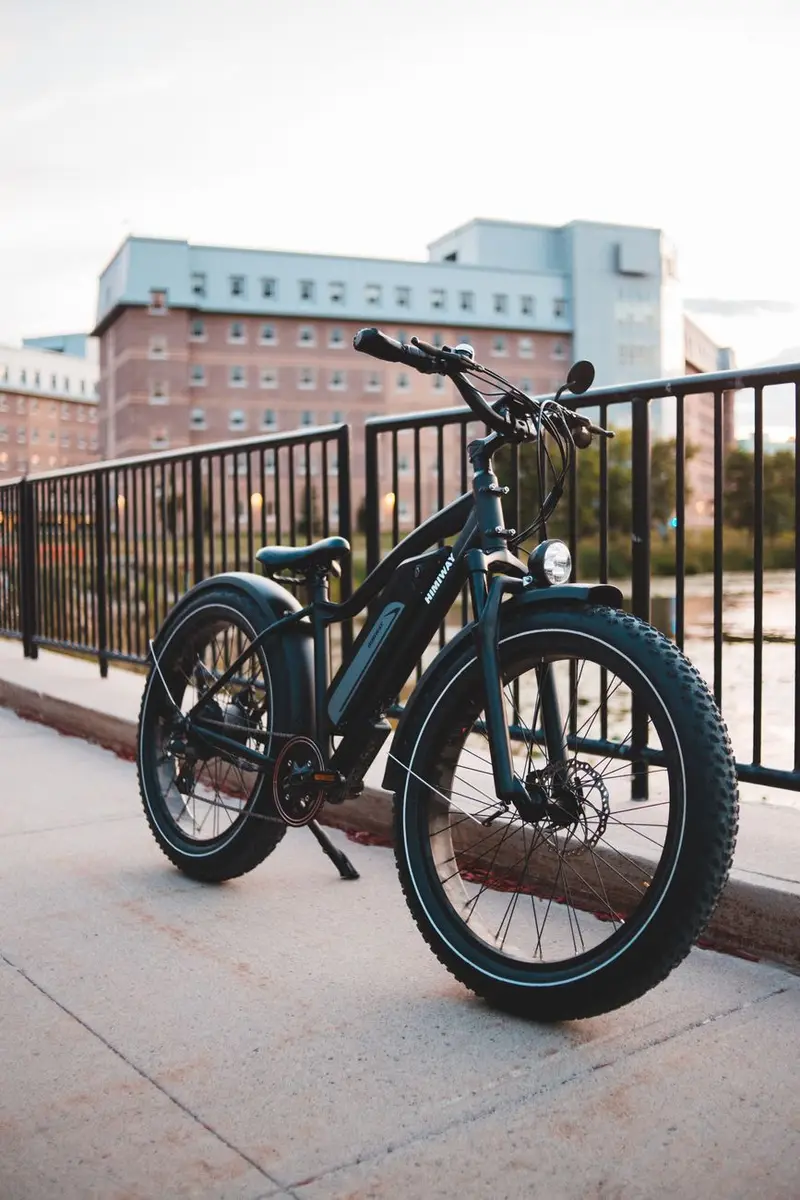
An e-bike is a bicycle with a motor and pedals, and the pedals are the legally important part. Stay inside the assist classes and it is treated as a bicycle everywhere in the US: no licence, no registration, no plate. Our guide to the ebike classes covers where the lines sit, because that is a whole post of its own and this one is about which to buy.
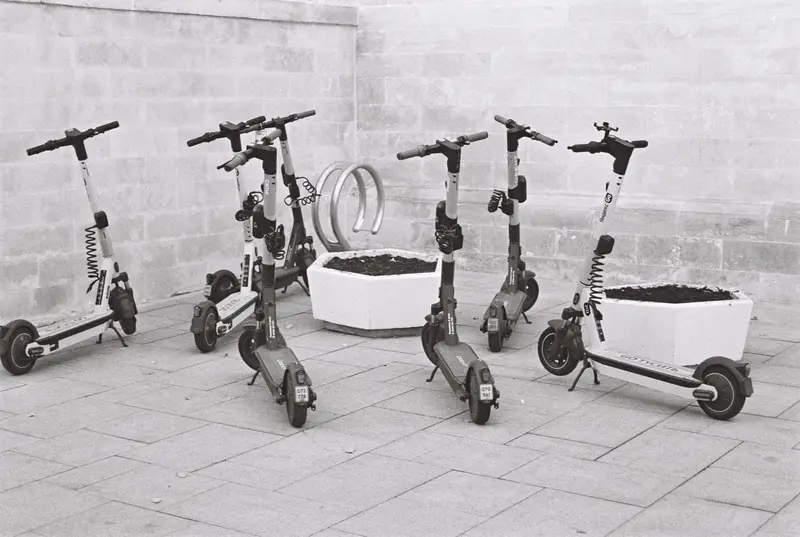
An electric scooter is a standing platform with a small wheel at each end and no pedals. That last detail is what puts it in a different legal box, and it is the box nobody has finished building. Rules vary by state and often by city, which is why the same scooter is fine on one path and a fine on the next.
An electric moped has pedals sometimes, a seat always, and enough power to leave both of the above behind. It is a registered motor vehicle in most places, which means a plate, insurance and usually a licence. If a listing says moped and does not mention registration, the listing is hoping you will not ask.
Worth separating the word from the shape here. The moped-style ebikes we sell look like small motorbikes and are legally bicycles, because they stay inside the class limits. The styling is doing a lot of work and none of it is legal work.
The cost comparison nobody actually runs

Everyone compares sticker prices and stops. A scooter is genuinely cheaper to buy: a decent one lands well under our entry e-bike, the Lectric XP Lite 2 at $799. On purchase price alone, the scooter wins and it is not close.
Running cost is where it stops being interesting, because all three are basically free. Riding 100 km costs about $0.10 in electricity. The same 100 km by car costs $8 to $15 depending on fuel. A full charge of a typical 500 Wh pack is $0.12 to $0.20, which is less than the coffee you bought on the way.
Here is the opinion, and I will back it with the number: the price you pay is not the cost you carry. Total cost of ownership is what matters, and the thing that decides it is not the sticker or the electricity, it is how many car trips the vehicle actually removes. A $799 scooter that handles two trips a week is worse value than a $1,499 RadRunner that handles nine, and the spreadsheet on my desk says so in a font I chose specifically to annoy my partner.
The moped changes the maths in the other direction. Add registration, insurance and a licence and you have re-created a small part of the car you were trying to escape. Sometimes that is the right call. It is rarely the cheap one.
Where you can legally ride each one
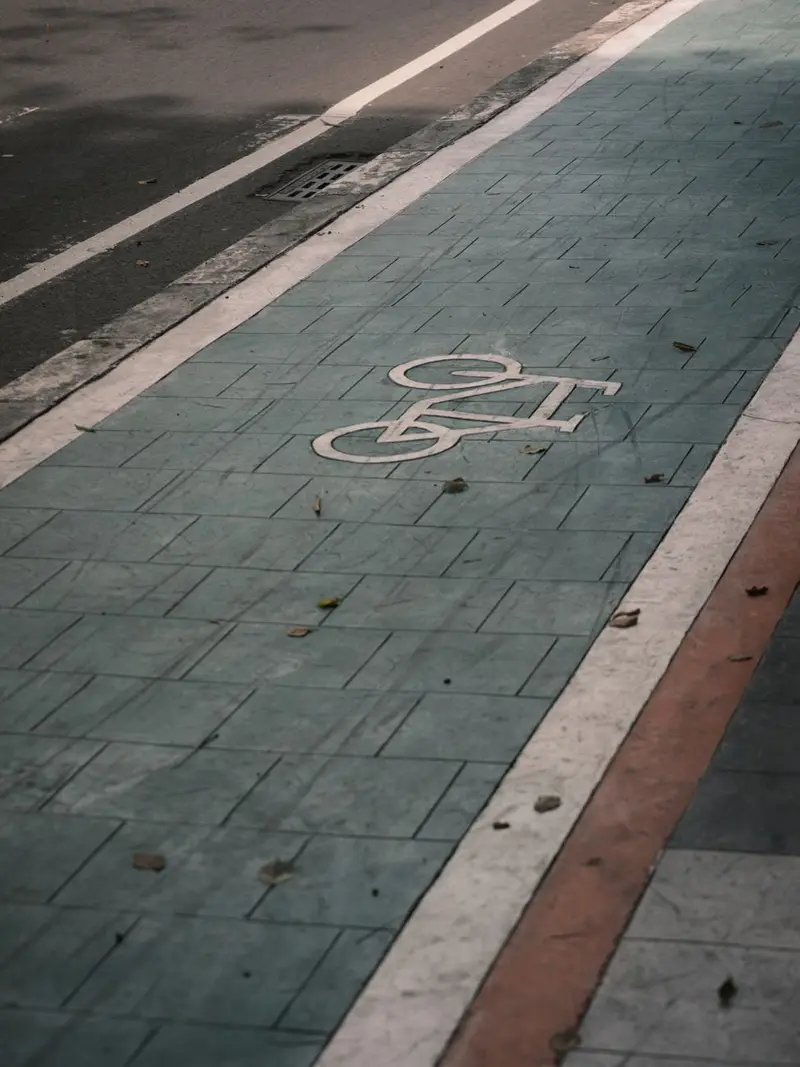
This is the difference that decides it for most people, and almost nobody checks before buying. An e-bike gets bike lanes, most shared paths and most trails, because it is a bicycle. That access is the whole product.
A scooter often does not. Plenty of US cities allow scooters in bike lanes and ban them from sidewalks and shared-use paths, and a decent number have not written a rule at all, which is worse in its own way. PeopleForBikes tracks the e-bike side of this state by state; the scooter side is patchier because the vehicles arrived faster than the legislation.
A moped gets the road and only the road. No bike lane, no path, no shortcut through the park. This is the part of moped vs ebike that decides it for most people: you have bought a small motorcycle and you will be treated as one, which is fine if the road was always the plan.
The practical version: map your actual route, then work out which of the three is legal on all of it. If the good part of your commute is a canal path or a rail trail, that answer is an e-bike and the other two are not really in the running.
Ebike vs scooter: the practical differences that decide it

Range is the first one. A real e-bike does 45 to 110 km on a charge depending on the model and how hard you lean on the assist. Scooters generally do a fraction of that, because the battery has to fit inside something you carry up stairs. If your round trip is 30 km, that gap stops being academic somewhere around the halfway mark.
Carrying things is the second. An e-bike takes a rack, a pannier, a child seat, a crate. A scooter takes a backpack and your optimism. This is the difference between replacing car trips and supplementing them, and it is the one people underestimate most.
Storage cuts the other way, and honestly. A scooter folds and goes under a desk. Our lightest bike is the Ducati FUTA at 12.4 kg, which is genuinely liftable, and most e-bikes are 22 to 30 kg, which is not. If you live on the third floor with no lift, that number decides your life more than any spec sheet does.
Then there is the ride. Small wheels and no suspension mean a scooter finds every pothole and tells you about all of them. An e-bike absorbs the same road with tyres and geometry. Over a 20-minute commute that is the difference between arriving and arriving annoyed.
When a scooter is honestly the better buy
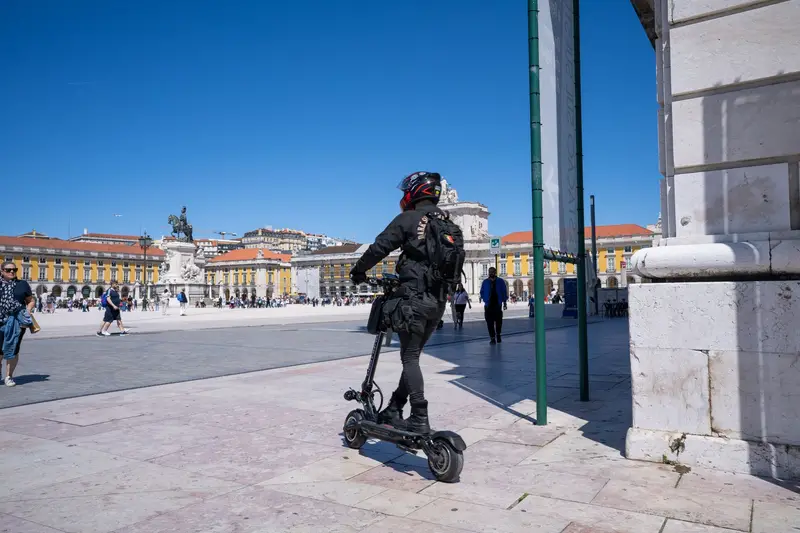
We sell e-bikes and not scooters, so read this knowing that, and then read it anyway because it is true. If your trip is under 5 km, you are going door to public transport, you carry nothing bigger than a laptop, and your storage is a corner of a shared hallway, buy a scooter. It is cheaper, it folds, and the range you are giving up is range you were never going to use.
Buy a scooter as well if the last mile is genuinely a last mile. Fold it, take it on the train, unfold it. An e-bike does that badly even when it folds, and we would rather tell you that than sell you a folder you resent.
The e-bike case starts when the trip gets longer than about 8 km, when you need to carry more than a bag, when the route includes a path a scooter is not welcome on, or when you want the ride to be pleasant rather than survivable. That is a large share of people. It is not everyone, and pretending otherwise is how you end up with a very expensive hall ornament.
Ebike vs motorcycle: what about going bigger
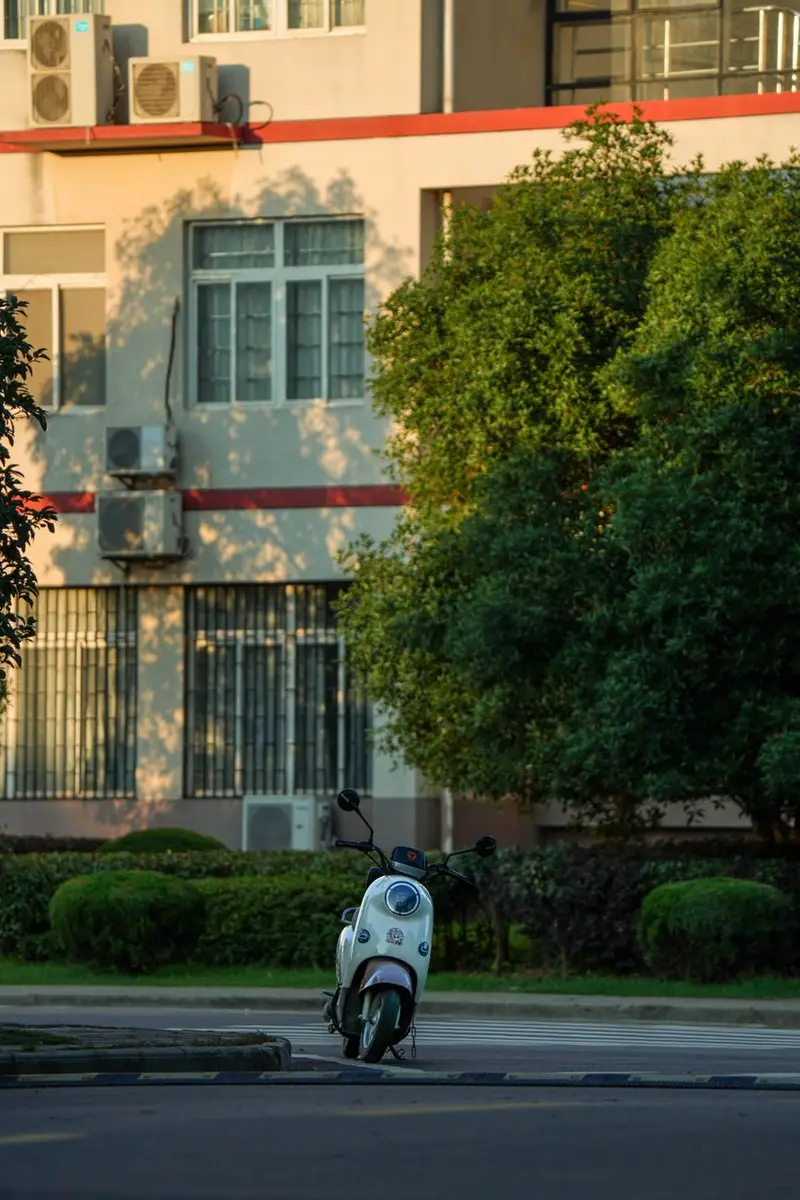
It comes up, so: an electric motorcycle is a motorcycle. Licence, plate, insurance, and a top speed that means all three are appropriate. Comparing it to an e-bike is comparing a van to a rucksack, and the fact that both plug in does not make it a close call.
Where it gets confusing is the middle. There is a growing category of bikes styled like motocross machines that are sold as e-bikes and are not, because they exceed the class limits on power or speed. Several US states are actively rewriting their rules to deal with exactly that. If a bike does 45 mph and has pedals bolted on as a legal fig leaf, the pedals are not going to help you at the roadside.
Everything we sell stays inside the classes, which is a deliberately boring position to hold. Boring here means you can ride it home without checking a statute first. The CPSC's bicycle requirements set the federal floor, and the NHTSA's vehicle classification guidance is where the line between bicycle and motor vehicle actually gets drawn.
So: work out the route first, then the storage, then the budget, in that order. Get those three right and the vehicle picks itself. If it turns out to be an e-bike, our commuter range is where most people land, and the full cost breakdown is there for anyone who, like me, enjoys a spreadsheet rather more than is strictly normal.
Straight answers

Is an electric bike or scooter better for commuting?
An e-bike for anything over about 8 km, for carrying more than a bag, or for routes that include shared paths. A scooter for short hops, tight storage, and last-mile trips off a train. Range and legal access are what decide it, not price.
Electric bike vs moped: what is the actual difference?
Pedals and the law. An e-bike stays inside the assist classes and is treated as a bicycle: no licence, registration or insurance. A moped is a registered motor vehicle and needs all three. Moped-styled e-bikes look like mopeds and are legally bicycles.
Electric scooter vs ebike: which is cheaper to own?
To buy, yes, usually by a clear margin against our $799 entry model. To run, neither is meaningfully cheaper: 100 km costs about $0.10 in electricity on either, against $8 to $15 by car.
Can you ride an electric scooter in a bike lane?
Often, but not everywhere, and the rules change by city rather than by state. E-bikes have far more settled access to bike lanes and shared paths. Check your local rules for scooters specifically before you buy one to commute on.
Do you need a licence for an ebike, scooter or moped?
No licence for an e-bike anywhere in the US, provided it stays inside the classes. Scooter rules vary locally. A moped needs a licence, plate and insurance in most states, which is the main reason to be sure which one you are actually buying.
Ebike vs scooter: which has the longer range?
The e-bike, comfortably. Real-world e-bike range is 45 to 110 km depending on model and assist level; scooters carry a much smaller battery because it has to fit inside something portable. If your round trip is over 20 km, this is the deciding spec.
Marcus Hale
Sold his second car in 2019 and hasn't looked back; tracks every cent a bike saves him.
Keep reading
Browse the range
Still not sure which one? Give us a shout.