
Dave Whitmore · Australia · 9 min read
Ebike vs Regular Bike: The Honest Difference
Published 2026-08-22

TL;DR
The difference isn't magic, it's math: an e-bike adds a motor that matches your effort, so you arrive faster and less wrecked, at the cost of noticeably more weight to carry and a higher purchase price. You still pedal, you still get exercise, and no, it isn't cheating. A regular bike stays lighter, cheaper up front, and needs less looking after. Pick the e-bike if hills, distance, or getting back on a bike at all is the barrier. Pick the regular bike if your ride is already short, flat, and you're doing it for the workout.
Someone asks me this at least once a fortnight, usually holding a coffee, usually already halfway to an opinion. Is an e-bike just a regular bike for people who've given up. Short answer: no. Long answer: I raced mountain bikes for fifteen years, called e-bikes cheating for most of that time, then a knee injury put me on one and the hill near my place stopped being a fight.
So here's the honest comparison, not the marketing one. An e-bike vs a regular bike comes down to four things that actually matter: effort, speed, cost, and upkeep. Everything else is detail.
The motor doesn't replace your legs. It splits the work.
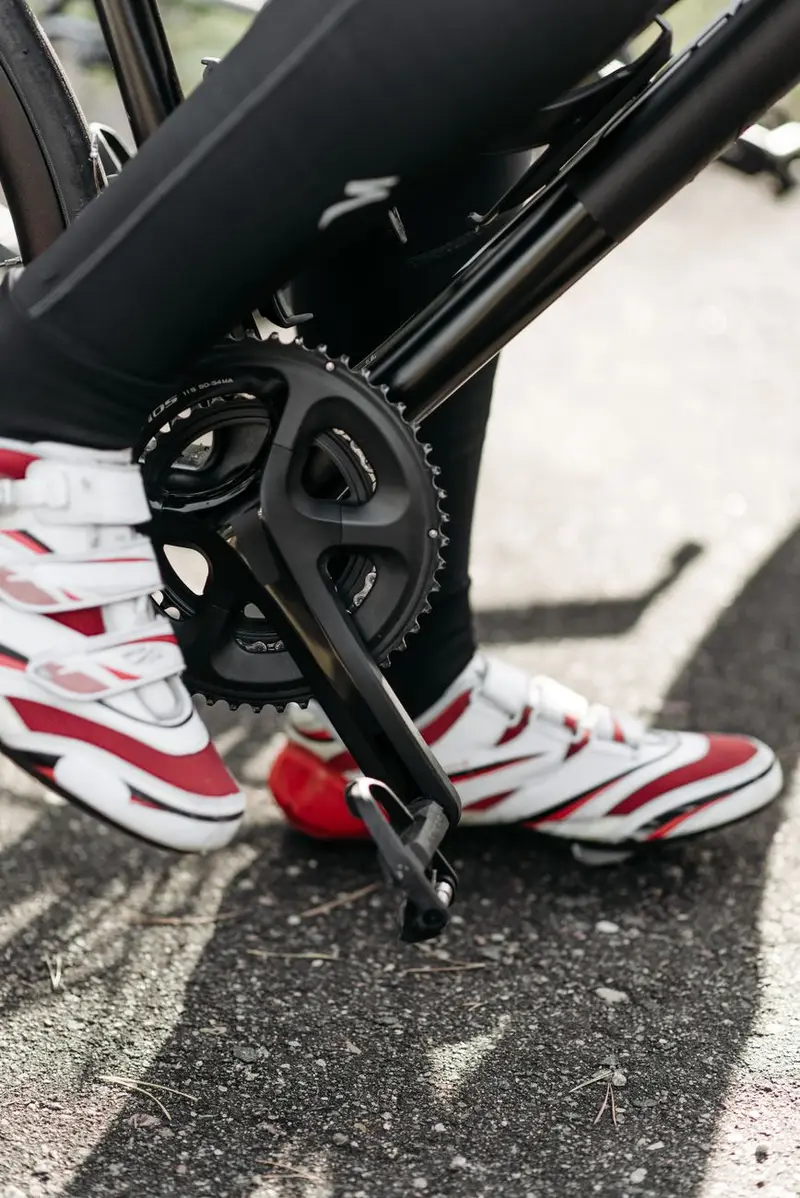
A regular bike runs on one engine: you. Every metre comes out of your own legs, which is exactly the point for a lot of riders and exactly the barrier for a lot of others. An e-bike adds a second, smaller engine that matches whatever you're already putting in, it doesn't ride the bike for you, it just takes a cut of the workload off the top.
That's the whole mechanism. You still pedal on every legal class of e-bike sold here, the motor amplifies your input rather than replacing it, which is why the class system exists at all, to define how much amplification and how fast it cuts out. If you want the full breakdown by region, our guide to the different classes of ebikes covers it properly.
(I say 'legal class' like it's thrilling. It is not. But it's the bit everyone skips and then gets a fine for, so read it once and move on.)
The time you get back on a real commute

This is where the argument actually gets decided for most people. A regular bike on a mixed commute averages somewhere in the low-to-mid teens, in kilometres per hour, depending on fitness and traffic. An e-bike, running assist, holds a higher average with far less variation, because hills and headwinds stop being the thing that slows you to a crawl.
Assist tops out differently depending on where you live and which class you're riding, our classes guide has the exact ceilings by region, but the practical effect is the same everywhere: the ride that used to leave you sweating through a work shirt now leaves you merely warm. Ten minutes saved each way doesn't sound like much until you multiply it by five days and realise you've bought back most of a working day every month.
None of that is free. Real-world range runs 45 to 110 km on a single charge depending on the model and how hard you lean on the assist, which is plenty for almost any commute, but it's a number worth checking against your actual round trip before you buy, not after.
Do you still get exercise on an e-bike (yes, and here's why the cheating question is backwards)

This is the one I'll die on. E-bikes are the opposite of cheating. I spent fifteen years racing mountain bikes and thought exactly what you might be thinking right now, that a motor on a bike is admitting defeat. Then a knee injury took the decision out of my hands, and the hill near my place that I used to dread became the best part of my ride. I didn't ride less on an e-bike. I rode more, because the injury stopped being the reason I stayed home.
The assist is adjustable, which is the part people miss. You can run it low and still get most of the workout a regular bike gives you, or run it high on the way out and drop it for the way back when your legs have had enough. It's not a binary between full effort and none, it's a dial. Older riders, riders coming back from injury, and riders who just stopped for a few years all get to keep riding instead of not riding at all, which is a better outcome for fitness than a bike gathering dust in the shed because the first hill back was too much.
This isn't just a shop opinion. A systematic review of e-cycling studies found real gains in aerobic fitness among regular e-bike riders, roughly the same direction of improvement you'd expect from regular cycling, just reached with less risk of the first hill putting someone off entirely.
(Every shop's inbox agrees with me on this, for what it's worth. Nobody writes in to complain their e-bike made them lazy. They write in to say they're riding for the first time in a decade.)
What actually breaks, and what doesn't

A regular bike is mechanically simple: chain, gears, brakes, tyres. Tyre pressure, chain lube, and a brake check are the five-minute basics that keep one running for years, and there's very little on the bike that requires a specialist.
An e-bike carries that same drivetrain plus a motor and a battery, which is more to look after but not more that breaks carelessly. Every bike we sell is workshop-checked before it goes out, and the honest failure point isn't the motor, it's an uncertified battery from a brand with no spare parts and no one to call when it fades. UL 2849 is the actual safety standard that separates a certified pack from a mystery one, worth checking for on the spec sheet before you buy either way.
Buy from someone who actually stocks the battery, and a genuine e-bike holds up fine. Battery lifespan runs 800 to 1,000 full charge cycles to 80% capacity, which is 3 to 5 years of normal use, and that's the one extra maintenance item a regular bike simply doesn't have.
When a regular bike is honestly the better buy
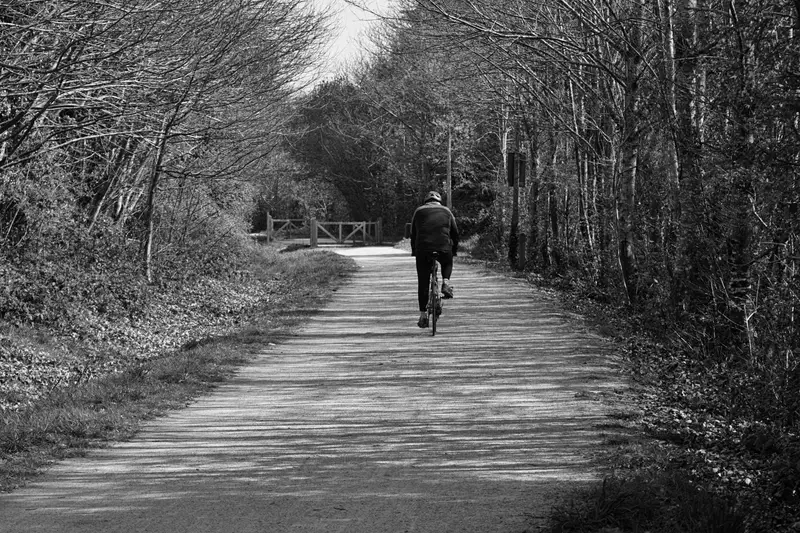
Here's the bit that doesn't sell affiliate clicks. If your ride is genuinely short and flat, under maybe 5 km each way, and you're already doing it comfortably without arriving wrecked, an e-bike is solving a problem you don't have. Save the money, or spend it on a proper set of lights and a decent lock instead.
Same goes if the whole point of the ride is the workout, full stop, no commute attached, training for an event, chasing a number on a watch. A regular bike gives you the entire load every time, which is exactly what you're there for. And if you live somewhere you have to carry the bike upstairs daily, an e-bike's extra weight over a regular bike's is a real cost you'll feel on every single trip, not a spec-sheet footnote.
I'd rather talk you into the cheaper, lighter bike that actually fits your riding than sell you a battery you'll charge once a fortnight and never come close to needing.
What it actually costs to own each one

A decent regular bike is the cheaper bike to buy, full stop, no motor and no battery pack to pay for. Where the e-bike claws that back is running cost per kilometre: about $0.10 in electricity per 100 km on an e-bike versus $8 to $15 for the same distance by car, if the e-bike is genuinely replacing car trips rather than adding a second bike to the garage.
On the site, city and commuter e-bikes run $1,199 to $18,700, with most riders landing $1,500 to $3,000 ride-away. Every one of them carries a 1-year warranty on frame, motor, and battery as standard, plus a guarantee the battery still holds 60% of its rated capacity at the one-year mark. That warranty is the number that actually protects the extra you're spending over a regular bike, not the horsepower nobody quotes because e-bikes don't have any.
If the honest answer for your trip is 'I don't need the motor', our commuter bike guide and ebike cost breakdown will tell you plainly rather than talk you up a price bracket you don't need.
Straight answers

Is an e-bike really better than a regular bike?
Neither is universally better, they solve different problems. An e-bike wins on hills, distance, and getting more riders out more often. A regular bike wins on price, weight, and simplicity. Match the bike to the actual trip, not the bike everyone online tells you to buy.
Do you still get exercise on an ebike?
Yes. You still pedal on every legal class, the motor only matches the effort you put in, and the assist level is adjustable so you can dial it down for a harder workout or up when your legs are done. It gets more people riding more often, which beats a regular bike gathering dust after one bad hill.
Is riding an ebike cheating?
No. It's the opposite. E-bikes get injured, older, and out-of-practice riders back on a bike who otherwise wouldn't ride at all, and they tend to make people ride more, not less, because the barrier that used to stop them is gone.
Is an ebike heavier than a regular bike?
Most e-bikes on the site weigh 22 to 30 kg, cargo models 30 to 40 kg, the motor and battery are most of that difference over an equivalent regular bike. That extra weight is real if you're carrying the bike upstairs daily, but it's mostly invisible once you're riding, since the motor is doing the work of moving it.
Ebike vs bike for commuting: which actually wins?
If your commute has hills, distance, or leaves you arriving sweaty, yes, the time and effort saved add up fast over a working week. If it's already short and flat and comfortable on a regular bike, you're paying for a problem you don't have.
What costs more to maintain, an e-bike or a regular bike?
An e-bike has one extra item, the battery, which lasts 800 to 1,000 charge cycles (3 to 5 years) and is covered by a capacity guarantee for the first year. Everything else, chain, brakes, tyres, is the same basic upkeep either bike needs.
Dave Whitmore
Ex-mountain-bike racer who thought e-bikes were cheating, right up until a knee injury put him on one.
Keep reading
Browse the range
Still not sure which one? Give us a shout.