
Marcus Hale · US · 12 min read
How to Choose an Ebike (No Guessing)
Published 2026-08-23
TL;DR
Choosing an ebike starts with the trip you actually take, not the one you imagine: commuting, cargo runs, trail riding and a flat weekend cruise each point at a different type and legal class. After that, check the two or three specs that actually matter (motor type, a torque sensor if the budget allows it, a battery sized to your real distance), sit on the bike before you buy it, and price the honest total cost, not just the sticker. City and commuter bikes on the site run $1,199 to $18,700, most riders land $1,500 to $3,000 ride-away, and a 1-year warranty with a battery capacity guarantee comes standard regardless of what you spend. If your commute is short enough to walk in ten minutes, read the last section before you buy anything.
How you choose an ebike comes down to four things, in this order: what you'll actually use it for, what class and motor spec match that use, whether it fits you when you sit on it, and what it actually costs to own, not just to buy. Everything else on a spec sheet is either downstream of those four or noise dressed up as a feature. (Bluetooth speakers built into the frame. I have thoughts.)
Most 'best ebike' lists won't get you there. They can't see your hill, they don't know your inseam, and they will never once tell you to buy the cheaper bike. That's the gap I'm writing into: an honest walk through the four decisions, in the order that actually matters, from someone who sells these things for a living and would rather you buy the right one than the expensive one.
Start with the trip, not the bike
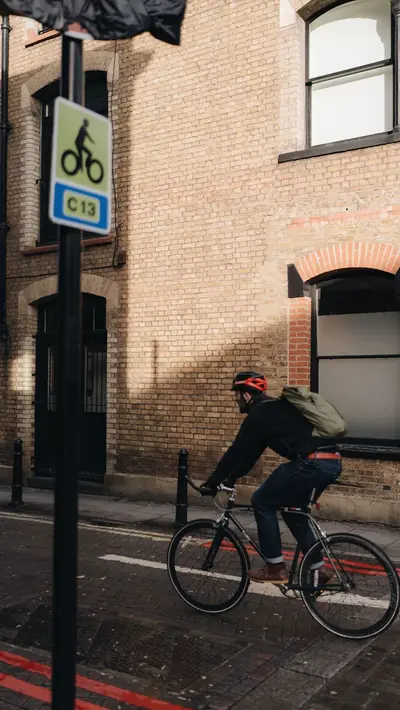
Every ebike buying guide, including this one, starts here because it's the one decision everything else depends on. What are you actually going to do with the thing. Commute five days a week on tarmac. Haul groceries and a kid twice a week. Get up a fire road on the weekend. Fold it under a desk at the office. Those are four different bikes, not four trims of the same one.
City and commuter bikes on the site run $1,199 to $18,700, most riders landing $1,500 to $3,000 ride-away. Folding bikes are the cheapest way in, $799 to $1,899, trading some of that price against a smaller battery: the Ride1Up Portola gets you riding for $995 with a 64 km range and a frame that fits under a desk. Cargo and family bikes run $1,999 to $7,999, off-road bikes $1,499 to $19,300, and eMTBs $1,999 to $11,990, because a suspension fork and a bigger motor cost real money.
None of that is about which bike is 'best'. A near-$20,000 full-suspension eMTB is a worse buy than a $995 folder if what you actually need is a way to get to the station and back without arriving sweaty. (I have sold exactly one bike at the top of that off-road band to someone who needed a folder. He returned it inside the 14-day window. We are still friends.)
The class number matters less than what it lets you do
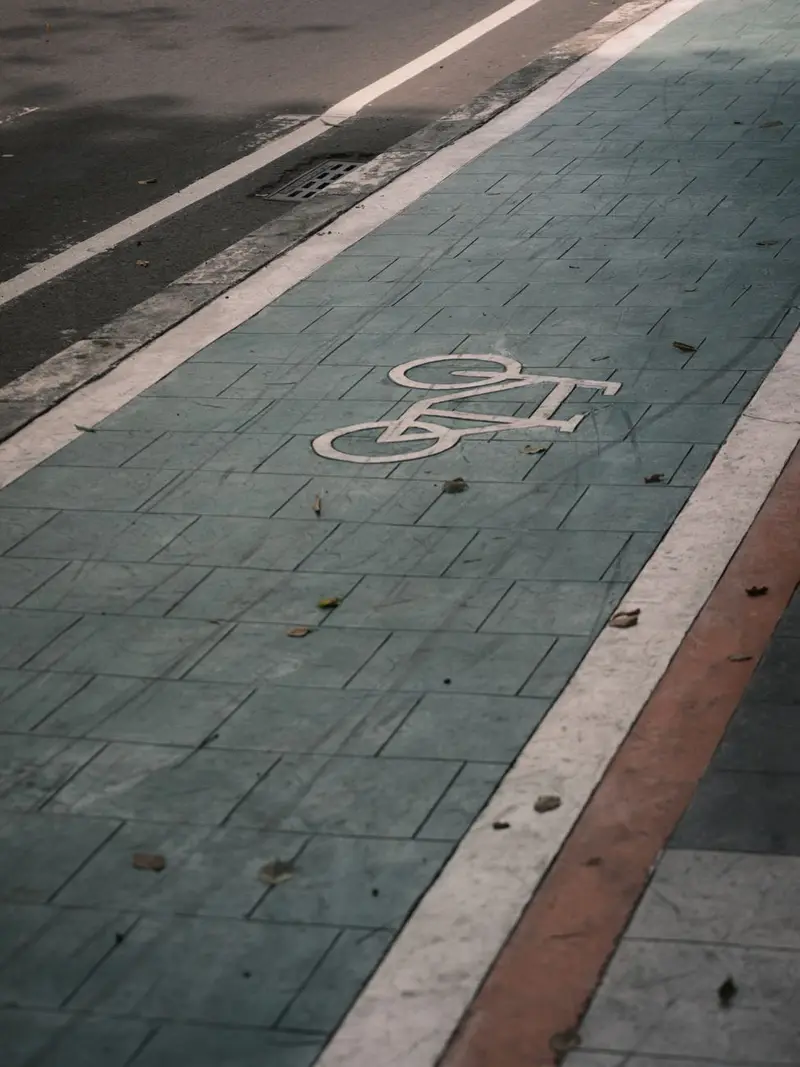
Every ebike we sell fits into Class 1, 2 or 3, and the class matters less for bragging rights than for where you're allowed to ride it. In the US, PeopleForBikes and most state laws define Class 1 as pedal-assist only, capped at 20 mph; Class 2 adds a throttle at the same 20 mph cap; Class 3 raises the assist ceiling to 28 mph and usually drops throttle-only riding. In the EU the number that matters is 25 km/h, full stop, regardless of class label. Assist limits differ by country, so treat any single figure you read online as a starting point for your own region, not a fact.
Match the class to the trip from the last section, not the other way round. A bike-path commute wants Class 1 or 2, since most trail and path access rules exclude Class 3 outright. A road commute where you're keeping pace with traffic is where Class 3's higher ceiling earns its keep. Our own breakdown of the different classes of ebikes covers the full regional rules and the paperwork, so I won't re-run that here. This is the two-paragraph version; the long one lives on that page.
Three specs worth reading, the rest is noise
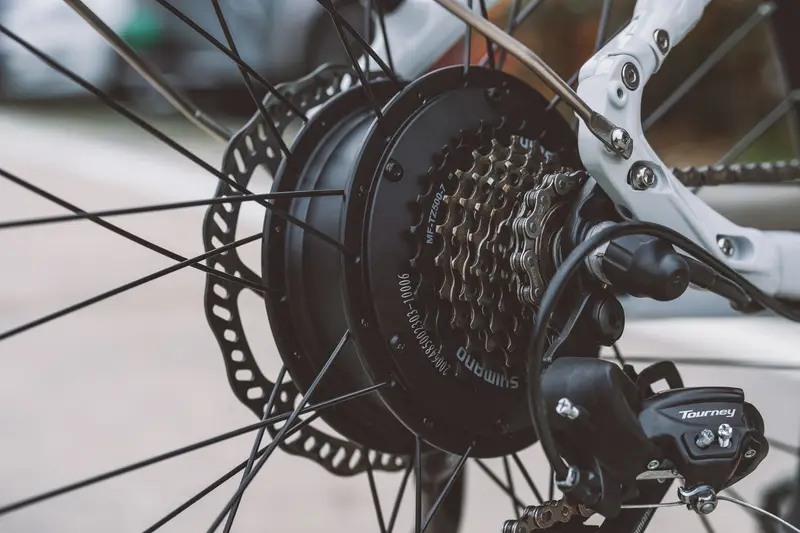
Ignore the wall of numbers on a listing and read three of them. First, motor type: mid-drive for hills and range, hub for simplicity and a lower price, neither one objectively better, just different tools for different trips. Second, the sensor: a torque sensor reads how hard you're pushing and matches the assist to it, while a cadence sensor only knows the pedals are turning and delivers a flatter push regardless of effort. It's the single spec most worth paying for if the budget allows it, and I've made that case at length in our torque sensor guide rather than repeat the whole argument here.
Third, battery capacity in watt-hours and the real-world range it buys: 45 to 110 km per charge across the catalogue, depending on the model and how hard you lean on the assist. That's a real-world figure, not the lab number printed in bold on the box. The Lectric XP4, for one, pairs an 840 Wh pack with a genuine 137 km range and ships with UL 2271 and UL 2849 certification on the battery and drive system, which UL Solutions tests against overcharging, short circuits and crush impacts, not just a sticker on the box. If your commute genuinely needs more than 100 km on a single charge, that's a narrow list of bikes, and our long range electric bikes page is where that list actually lives.
Watts on their own are the least useful number on the page, and it's worth knowing that before a bigger-sounding figure talks you into the wrong bike. A mid-drive motor putting out real torque, 100 Nm or more, will out-climb a hub motor rated at a higher peak wattage, because it's using the bike's own gears rather than brute-forcing the hill. Nm and how the motor delivers it decide how a climb actually feels. The headline watt number on the box mostly decides how the listing photo makes you feel.
Fit beats every spec on the sheet
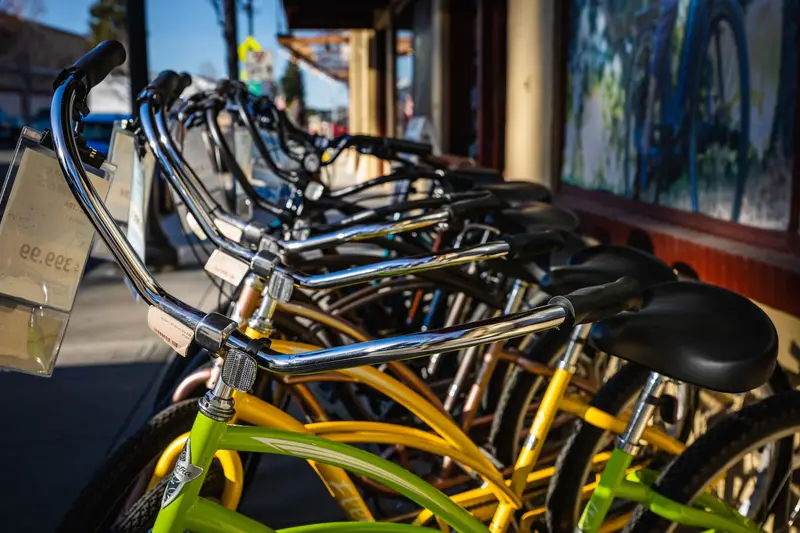
None of the numbers above matter if the bike doesn't fit you. Most bikes on the site weigh 22 to 30 kg, cargo bikes run 30 to 40 kg, and that weight is a real consideration if you're carrying it upstairs rather than parking it in a garage. Frame size, standover height and reach matter more day to day than anything on the spec sheet, and they're the one thing a listing photo cannot tell you.
A customer of ours bought the bike everyone online told them to buy. Great bike, wrong size for them. Numb hands after twenty minutes, a sore back, and they blamed themselves for weeks before they came to us. A frame swap and a different saddle fixed all of it in one visit. The bike was never the problem. The fit was, and no review site was ever going to catch that for them.
Frame style is part of the same decision, not a separate one. A step-through frame is generally easier to mount and dismount than a step-over, which matters more than it sounds like it should once you're carrying a bag, a kid seat, or just a bad knee on a given day. Decide on that before a colourway talks you out of the shape that actually suits how you'll use the bike.
This is why every 'best ebike 2026' listicle is, at best, half the answer: it can rank motors and batteries all day, but it has never sat you on a bike and watched your knees. Twenty minutes on an actual saddle beats twenty tabs of reviews open in a browser. (Yes, even the well-written ones. Sorry, fellow content people.)
What you should actually spend

Budget by category, because the honest range varies a lot: city and commuter $1,199 to $18,700, folding $799 to $1,899, cargo $1,999 to $7,999, eMTB $1,999 to $11,990, off-road $1,499 to $19,300. Most riders across every category land somewhere in the middle of their band, not at either end, so treat the top of each range as the outlier it is.
The number to actually watch is what happens below the bottom of these bands. A $600 mystery-brand bike off a marketplace isn't a cheaper version of what's on this page, it's a different, worse thing: uncertified battery cells, a motor no shop stocks parts for, and a brand that's three letters and a shrug. The CPSC's own micromobility safety guidance exists largely because of bikes exactly like that one. Buying real, even at the bottom of a real band, buys you a certified battery and someone to call when something goes wrong.
Whatever you spend, price the running cost too: about $0.12 to $0.20 to fully charge a typical 500 Wh pack, roughly $0.10 per 100 km ridden against $8 to $15 for the same distance by car. A 1-year warranty on frame, motor and battery comes standard on everything we sell, with the battery guaranteed to hold 60% of its rated capacity at the one-year mark, so the honest sticker price already includes some of the peace of mind a marketplace listing doesn't.
Buying online without buying blind
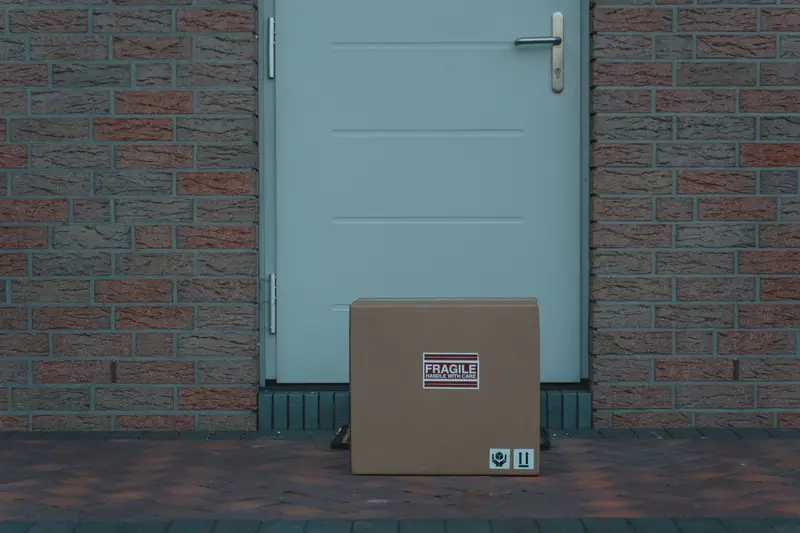
Buying an ebike online used to mean a box from a warehouse that had never seen the bike inside it. That's the actual case against it, and it's a fair one for a lot of sellers. It just isn't true of every online seller, ours included: every bike here is workshop-checked before it ships, not drop-shipped sight unseen, dispatched within 2 business days and arriving in 3 to 7 business days, 90% of them 95% assembled with only pedals and bars left for you. We ship to the US, Canada, Germany, the Netherlands and Australia, among others, and being online-only is exactly why the workshop check happens before the box leaves rather than after you notice something's off.
The trade you're actually making by buying online is convenience and a wider range of stock against the ability to throw a leg over a dozen bikes in an afternoon. We can't fully close that gap; nobody selling 16 brands online can. A 14-day ride-it-and-see return window closes most of it instead: if the fit is wrong once you've actually ridden it, send it back on our label, no argument. It's the same reason our reviews sit at 4.7 stars across 512 of them: people who got the wrong bike sent it back before they had to write a bad one.
(This is also, incidentally, how the wrong-size story two sections back got fixed in one visit rather than one very expensive mistake. Fit genuinely cannot be judged from a product photo, ours or anyone else's.)
When an ebike isn't the right buy

Here's the bit most sellers skip. If your actual daily trip is under two or three flat kilometres, a regular bike, or your own two feet, gets you there for close to nothing, and the motor's only real job on that trip is hauling its own weight around. Buy for the trip you actually take, not the one you imagine on a hilly weekend you might ride twice a year.
Same goes if you have nowhere to charge and store a battery safely: no shed, no hallway, no plug you control. That's not a dealbreaker forever, but it's a reason to solve the storage problem before you solve the bike problem, not after a delivery van has already dropped one on your doorstep.
And if the actual goal is fitness, not transport, an unassisted bike will get you there faster in the sense that matters: you'll work harder for the same distance, which is the point. An ebike still gets people riding who otherwise wouldn't, injury, age, or a hill that used to win, but if none of that applies to you and the only reason on the table is 'it looked cool', that's a weekend rental, not a $2,000 decision.
If none of that describes you, the four decisions above are the whole method: trip, class, fit, honest cost. Get those right and the spec sheet stops being scary. Get them wrong and no amount of Bluetooth speaker is going to save you.
Straight answers

What is the most reliable electric bike?
Reliability is a brand and parts question rather than a model one. The bikes that last are the ones with certified cells, a replacement battery still in production, and a seller who answers in three years. A mid-range bike from a supported brand outlives a dearer one from a brand that has since vanished.
How do you compare ebikes properly?
Compare four things and ignore the rest: battery capacity in watt-hours, torque in newton metres, sensor type, and brakes. Wattage and quoted range are the two numbers most likely to mislead you, because one measures draw rather than pulling power and the other is measured on the lowest assist on flat ground.
How do I choose the right type of ebike?
Match it to the trip you actually take: a commuter or city bike for tarmac trips, a cargo bike for hauling kids or groceries, an off-road bike or eMTB for trail riding, a folding bike if storage space is tight. City and commuter bikes run $1,199 to $18,700, folding $799 to $1,899, and cargo $1,999 to $7,999.
What's the difference between ebike classes?
Class 1 is pedal-assist only, Class 2 adds a throttle, and Class 3 raises the assist ceiling, each to a limit that differs by country: 20 or 28 mph in the US depending on class, 25 km/h in the EU regardless of class. Check the rules for your own region rather than assuming a number you read applies everywhere.
How much should you spend on an ebike?
Most riders land in the middle of their category's price band rather than at either end: roughly $1,500 to $3,000 for a city or commuter bike, for example. Spending less than the bottom of a genuine band usually buys an uncertified battery and no one to call if it fails, not a real bargain.
What to look for when buying an ebike?
Three things matter more than the rest of the spec sheet: motor type (mid-drive for hills, hub for simplicity), a torque sensor over a cadence sensor if the budget allows it, and a battery capacity that matches your real trip distance rather than the longest number on the page.
What size ebike do I need?
Frame size depends on your height and inseam, not how the bike looks in a photo. Sit on it before you buy: numb hands, a sore back, or feet that can't reach the ground properly all point at the wrong frame, not the wrong bike, which is exactly what a 14-day return window exists to fix.
Is it better to buy an ebike online or in a shop?
Online buying trades the ability to test ride a dozen bikes in an afternoon for wider stock and, with a seller that workshop-checks every bike before it ships, the same quality control a shop offers. A real return window, ours is 14 days, closes most of the remaining gap.
What's a good first electric bike to start with?
A lighter, simpler bike matched to your most common trip beats a heavily specced one for a first electric bike: a flat commute suits a light city bike, a tight storage space suits a folder. Skip the biggest battery on the page; you'll rarely empty it and you'll pay for range you don't use.
What's the best ebike for a first time buyer?
There's no single best ebike for a first time buyer, since the right one depends on the trip, but a lighter city bike is the common starting point for a flat commute, and a folding bike suits anyone without space to store a full-size frame. Test ride before deciding either way.
Marcus Hale
Sold his second car in 2019 and hasn't looked back; tracks every cent a bike saves him.
Keep reading
Browse the range
Still not sure which one? Give us a shout.