
Dave Whitmore · Australia · 10 min read
How to Ride an eBike: A First-Timer's Guide
Published 2026-09-04
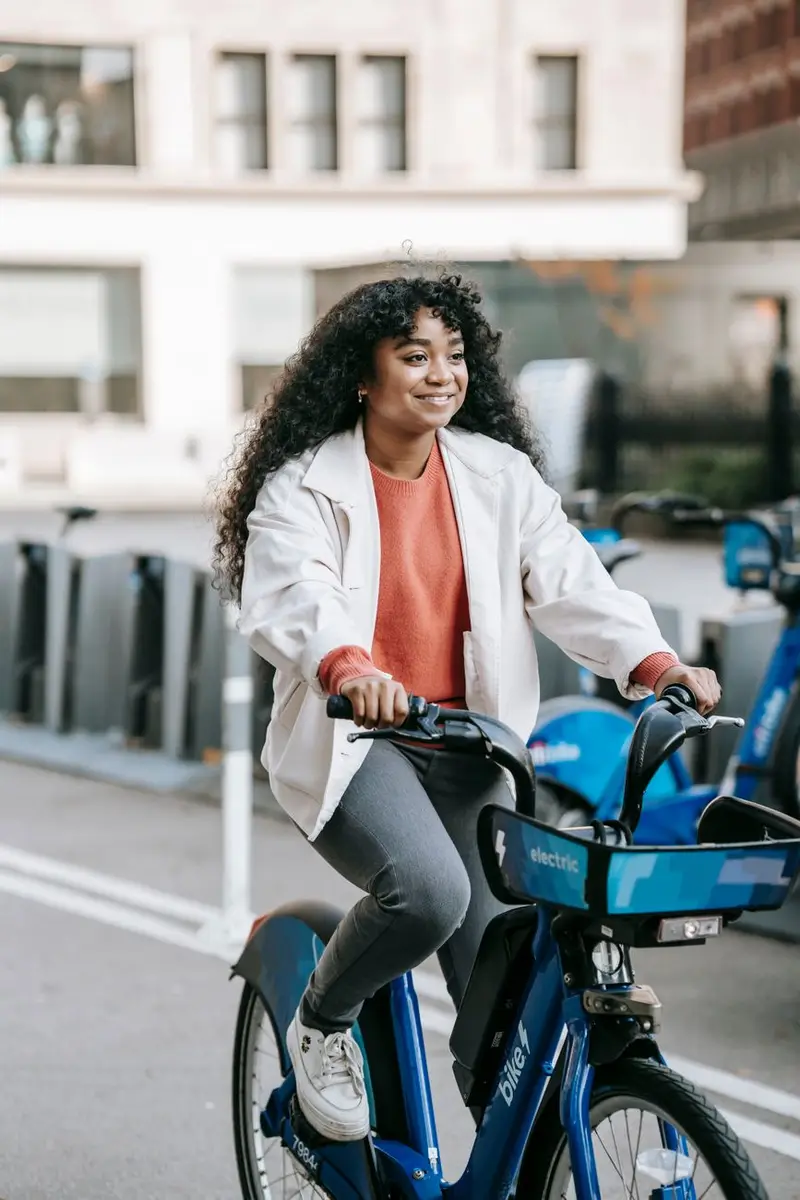
TL;DR
If you can ride a normal bike, you can ride an ebike, and it takes most people about fifteen to thirty minutes to stop thinking about it. Three things are genuinely different: it weighs 22 to 30 kg, the motor arrives a beat after you push the pedal, and it carries speed into corners you'd normally coast through. So set assist to zero, find an empty car park, and spend ten minutes starting and stopping before you go anywhere near traffic. Brake earlier than feels necessary — that extra weight and speed both stretch your stopping distance. If you can't lift the thing or your ride is a flat two kilometres, read the last section before you buy.
The hill outside my place used to win. Every single day, for about eleven years. Then a knee injury put me on an e-bike out of pure spite, and within a week the hill had stopped being a hill and started being the bit I looked forward to. I went from riding twice a month to riding most days. That is the entire pitch.
But the first ride was awkward, and nobody warned me. So this is how to ride an electric bike for beginners, properly, the first time: what actually feels different, how to set the thing up, and the ten minutes of practice that separate a good first ride from one where you clip a bollard and decide cycling isn't for you.
It feels like a normal bike, right up until it doesn't
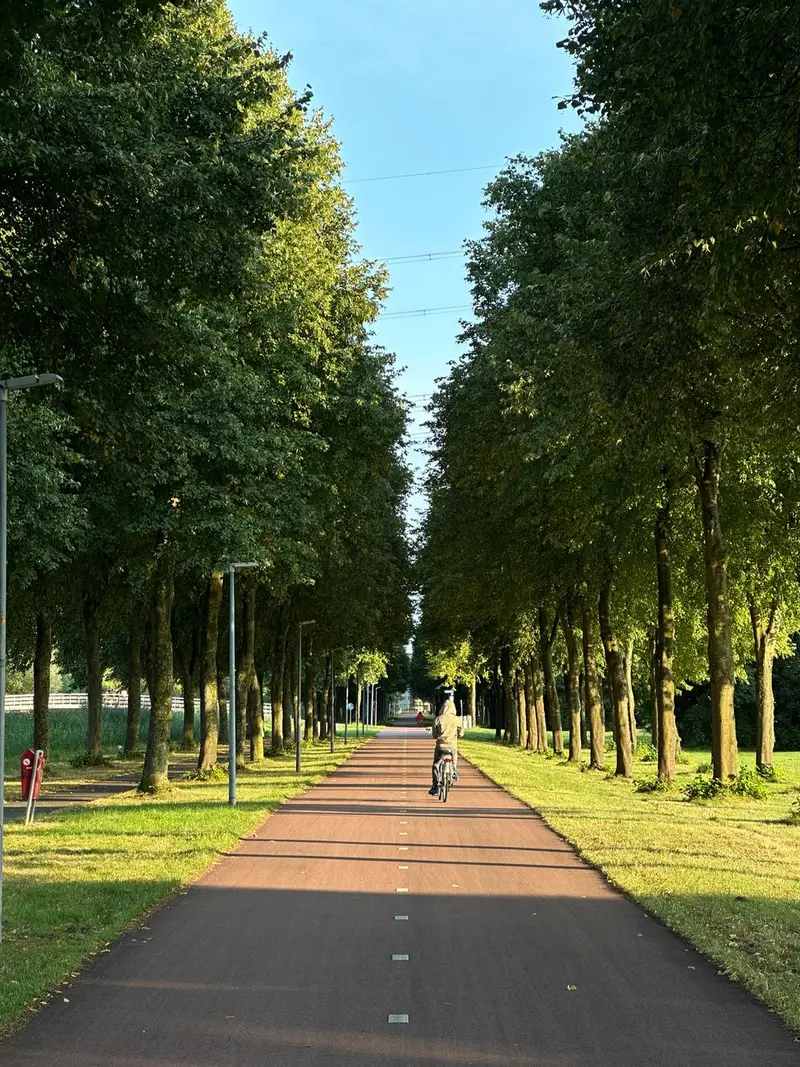
Are ebikes hard to ride? No. If you can already ride a bicycle, the controls are identical: same bars, same brakes, same pedals, same balance. Most people who can already ride are comfortable inside fifteen to thirty minutes. There is no clutch, no gears you have to learn, nothing to stall.
Three things are genuinely different, though, and knowing them in advance is most of the battle. First, the weight. Most bikes in our range run 22 to 30 kg, cargo bikes 30 to 40 kg, against maybe 11 kg for a road bike. You will not notice that at all while moving. You will notice it enormously the first time you wheel it backwards out of a bike rack.
Second, the motor arrives a beat after you do. You push the pedal, and roughly a quarter of a turn later something else joins in. On a torque-sensor bike it feels like your own legs having a better day. On a cheaper cadence-sensor bike it arrives all at once, like being politely shoved. That difference is worth more than any spec on the box, and our piece on torque sensors goes into why.
Third, and this is the one that catches people out: you carry speed into places you're not used to carrying it. A corner you'd normally coast into at 12 km/h you now enter at 22, because the motor kept working while you stopped thinking about it. That's not dangerous. It's just new information your hands haven't got yet.
Five minutes of setup beats an hour of suffering
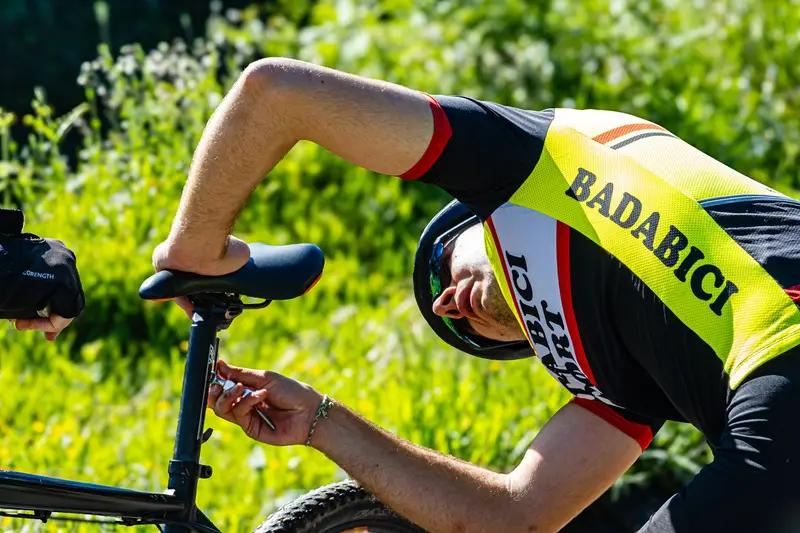
Saddle height first, because it fixes more complaints than everything else combined. Sit on the bike, put your heel on the pedal, and push the pedal to the bottom. Your leg should be straight with the heel down, which means it'll have a slight bend when the ball of your foot is where it belongs. Too low is the classic beginner error and it wrecks your knees within a fortnight.
Then tyre pressure, brake check, and a look at the battery. This is the whole of my strong opinion about e-bike ownership: learn the five-minute basics. Tyre pressure, chain lube, brake check, battery storage. It's the oil change of e-bikes, and the difference between a pack that gives you its full 800 to 1,000 charge cycles and one that quietly gives up early is almost entirely how it was treated. Three to five years is normal. Three to five years is also not automatic.
Squeeze both brake levers before you get on. They should bite firmly with a good centimetre of travel left. If the lever comes back to the bar, don't ride it, and give us a shout instead. On a bike this heavy, brakes are not the component to be optimistic about.
If you're not sure the bike fits you at all, that's a different problem and a bigger one. A customer of ours once bought the bike the whole internet told them to buy. Great bike. Wrong size for them. Numb hands after twenty minutes, sore back, and they blamed themselves for months. A frame swap and a new saddle fixed all of it. Our sizing guide covers that properly.
Your first ten minutes belong in an empty car park
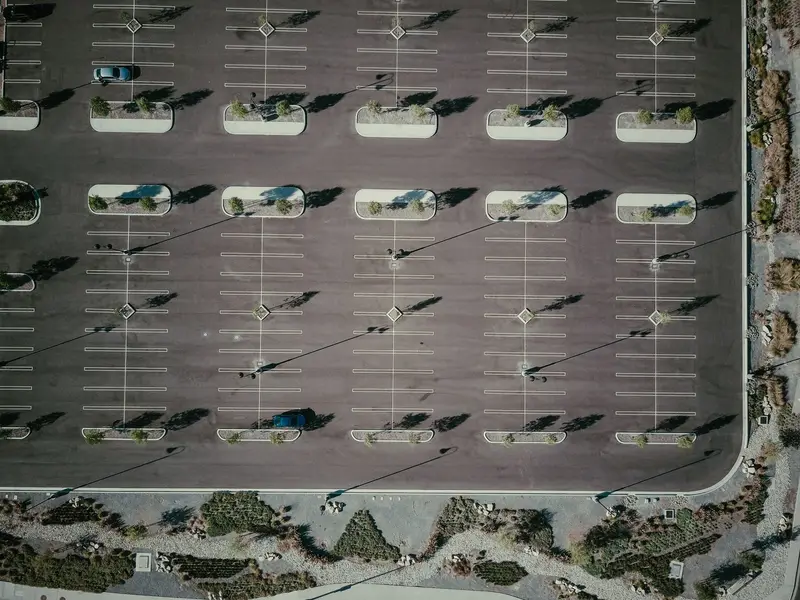
Every guide tells you to 'practise somewhere quiet'. Almost none of them tell you what to actually practise, which is the useful half. So here are the ebike riding tips for beginners that I'd give anyone, in order, and the whole thing takes ten minutes.
Start with assist off. Level zero, motor asleep. Ride two slow laps and get the weight into your hands, because this is the only time you'll feel the bike as a bike. Then stop, put one foot down, and do it again. Ten times. Starting and stopping is the single most awkward manoeuvre on a heavy bike and it's the one everyone skips.
Now switch to assist level one. Not level five. Push off and let the motor join in while you're already moving, so you learn what the handover feels like before you ask for it from a dead stop. Two more laps. Then practise pulling away from stationary in level one, which is what a traffic light will demand of you within about four minutes of leaving the car park.
Finally, brake from a decent clip. Both levers, evenly, and note where you actually stop rather than where you expected to. That number is the one piece of information you cannot get from reading. (Yes, this is homework. No, it isn't optional. Ten minutes now or an interesting conversation with a hedge later.)
Assist is a dial, not a switch
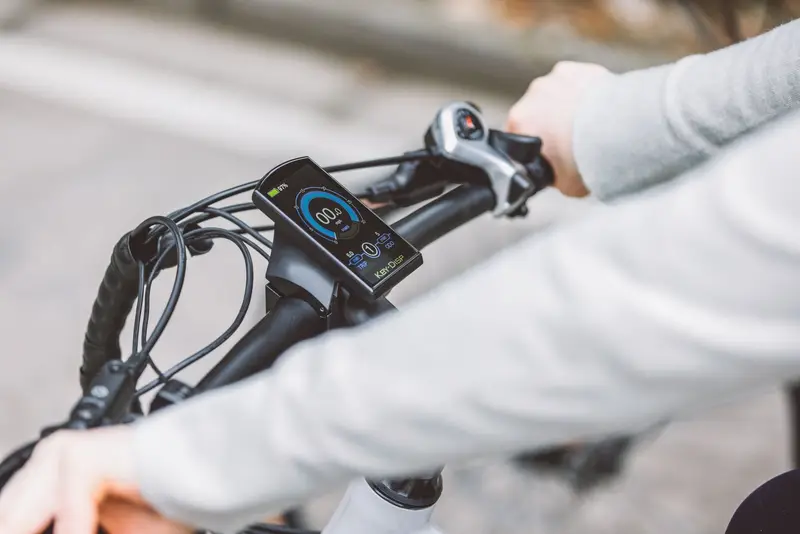
Learning how to use pedal assist is mostly learning to stop treating it as on or off. Most bikes give you four or five levels. Level one is a helping hand on the flat. The top level is for hills, headwinds, or the last two kilometres when your legs have filed a complaint. Living permanently in the top level is the fastest way to turn a 90 km battery into a 45 km one, and it's what most first-timers do for about a week.
The honest range figure across our range is 45 to 110 km on a charge, real-world, mixed terrain, with a rider around 75 kg. Where you land inside that band is mostly your right thumb. Assist level does more to your range than almost any spec on the page.
If your bike has a throttle, treat it as a separate tool rather than a shortcut. It's genuinely useful for pulling away from a standing start on a hill or across a busy junction, and it drains the battery faster than pedal assist every time you use it. Whether you even have one comes down to the bike's class, and the rules there differ by country: the EU caps assist at 25 km/h, the US uses classes at 20 and 28 mph, and other markets differ again. PeopleForBikes keeps the US state-by-state picture current, and our breakdown of the class system covers what each one means in practice.
Brake earlier than feels necessary
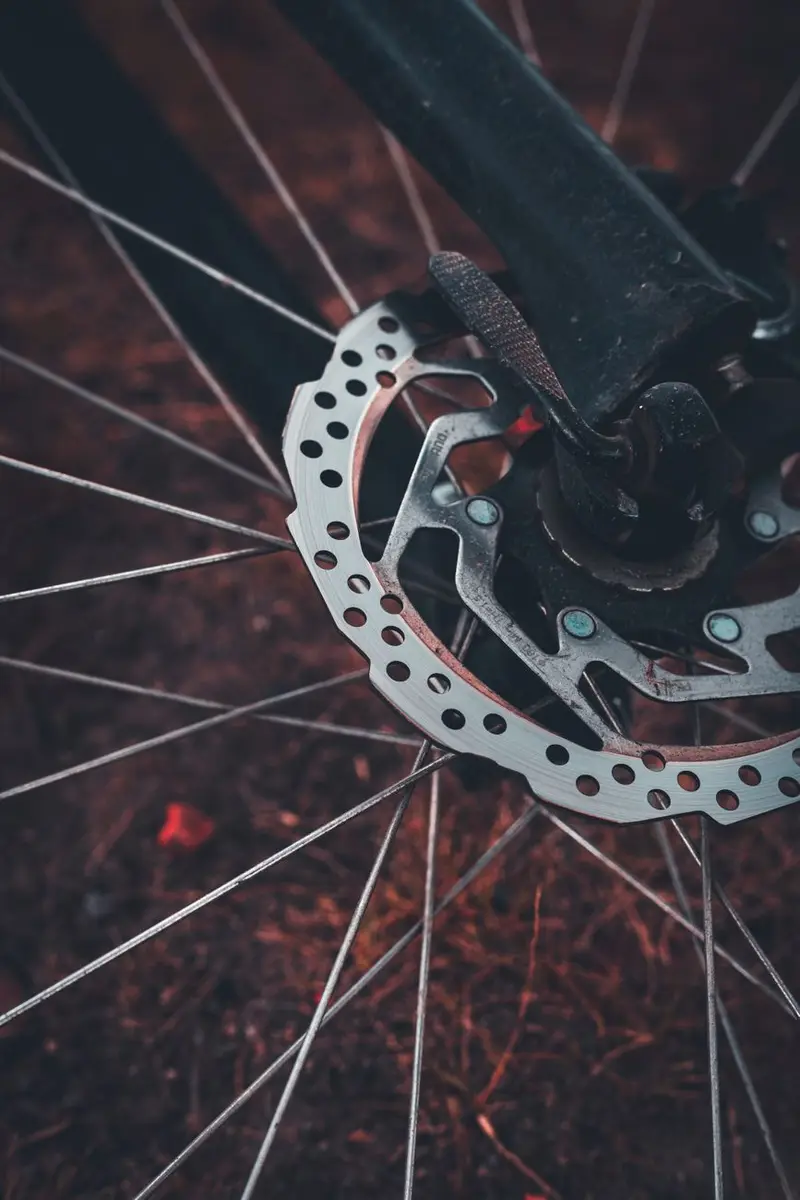
This is the one thing I'd tattoo on a new rider's handlebars. Ebike braking distance is longer than you're used to, and it's longer for two reasons stacked on top of each other: you're carrying more weight, and you're usually carrying more speed. Neither is dramatic on its own. Together they add up to several metres you didn't budget for.
So brake earlier, and use both levers. Front brake does most of the work on any bicycle, and riders who've been taught to fear it end up hauling on the rear alone and skidding. Squeeze progressively rather than grabbing. On a wet road, start earlier still, and remember that disc brakes need a rotation or so to wipe the water off before they bite properly.
Downhill is where it compounds. Gravity plus 25 kg plus a motor that was helping right up until you stopped pedalling means you'll arrive at the bottom faster than the same hill on a pushbike. Scrub speed before the corner, not in it. The US National Highway Traffic Safety Administration has the general road-positioning guidance, which applies to e-bikes exactly as it does to bicycles.
One more thing nobody says out loud: on a heavy bike, stopping properly means getting a foot down properly. Pick your side before you stop, not during. It sounds obvious. It is also the moment where most first-week topples happen, at roughly zero kilometres an hour, in front of an audience.
When an ebike isn't the answer
If your whole ride is a flat two kilometres in good weather and you're already fit, you probably don't need one. A normal bike is lighter, cheaper, needs no charging, and won't ask you to think about battery storage over winter. We'd rather say that than sell you a bike that sits in a hallway.
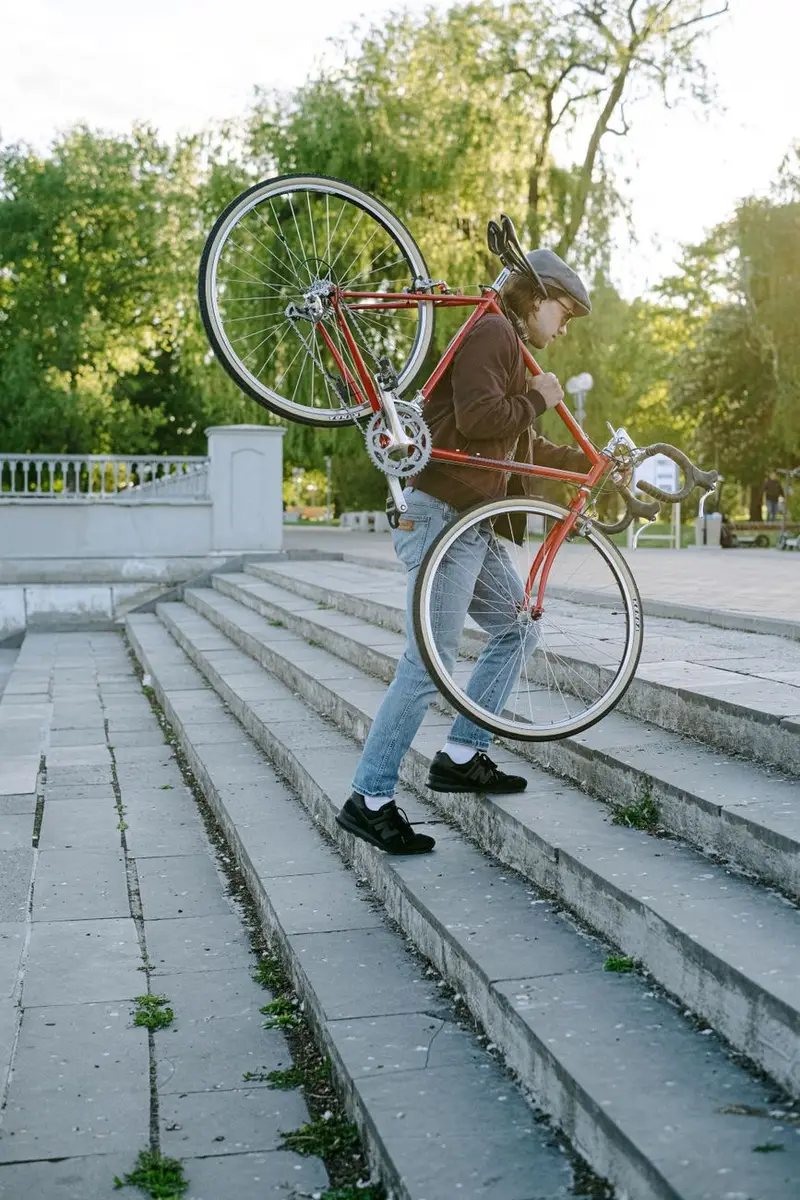
The bigger practical blocker is weight off the bike, not on it. If you live up three flights with no lift, or you need to lift the thing onto a car rack single-handed, go and physically lift one before you commit. 22 to 30 kg is fine to ride and genuinely awkward to carry upstairs twice a day. Folding models start at $799 and are the lightest way in, which is why they suit flat-dwellers far more often than the spec sheet suggests.
And if you're nervous about balance rather than fitness, a step-through frame solves more than a lower assist level ever will, because you can put both feet down without swinging a leg over anything. Our comfort range is built around exactly that, and the Lectric XP Lite 2 at $799 is the cheapest sensible way to find out whether any of this is for you.
Everything above assumes a bike that's actually been checked before it reached you. Nine out of ten 'my e-bike died' emails are the same bike: the mystery-brand marketplace special with uncertified cells, no spare parts, and a brand name that's three letters and a shrug. Learning to ride on one of those is learning to ride on a countdown.
Straight answers

Are ebikes hard to ride for beginners?
No. If you can already ride a bicycle, the controls are the same and most people are comfortable within fifteen to thirty minutes. The adjustment is weight and speed, not skill: an e-bike runs 22 to 30 kg against roughly 11 kg for a road bike, and it holds speed into corners you'd normally coast through. Ten minutes of starting and stopping in an empty car park covers almost all of it.
How long does it take to learn to ride an electric bike?
Fifteen to thirty minutes for most people who can already ride a normal bike, and about a week before it stops feeling like a new thing at all. If you've never ridden a bicycle, learn on a normal bike first. Balance is easier to learn without 25 kg and a motor involved.
Should beginners use throttle or pedal assist?
Pedal assist, starting at level one. It's more predictable, it teaches you what the motor handover feels like, and it uses far less battery. Keep the throttle for pulling away uphill or across a busy junction. Not every bike has one, since that depends on the bike's class and your country's rules.
How do I use pedal assist on an ebike?
Pick a level with the buttons on the bars, then pedal normally. The motor joins in about a quarter of a pedal turn later and cuts out when you stop pedalling or reach your region's assist limit. Start in level one on the flat and save the top levels for hills and headwinds, because riding permanently in maximum assist can roughly halve your range.
Is riding an ebike different from riding a normal bike?
The controls are identical. Three things differ in practice: the bike weighs two to three times as much, the motor arrives a beat after your first pedal stroke, and you carry more speed into corners and junctions. None of it is difficult, but all three want ten minutes of practice somewhere with no traffic.
How much longer is ebike braking distance?
Longer than you'd expect, because extra weight and extra speed stack together. Brake earlier than feels necessary, use both levers progressively rather than grabbing, and give yourself extra room in the wet. Practise one hard stop from a decent speed on your first ride so you know where the bike actually stops rather than where you assume it will.
How fast should I ride on my first ebike ride?
Slower than the bike will let you. Start with assist off entirely for a couple of laps, then level one. Speed is the easiest thing to add later and the hardest thing to take back mid-corner.
Can you ride an ebike without pedalling?
Only if it has a throttle, which depends on the bike's class and your country's rules. Class 2 bikes in the US have one; EU pedelecs generally don't. Even with a throttle, pedalling gets you noticeably more range out of the same battery.
Dave Whitmore
Ex-mountain-bike racer, 47, came to e-bikes cranky after a knee injury and converted inside a week. Spends most weekends on trails and the rest arguing that e-bikes are the opposite of cheating.
Keep reading
Browse the range
Still not sure which one? Give us a shout.