
Dave Whitmore · Australia · 9 min read
Electric Bicycle Helmet: Do You Need One?
Published 2026-09-09
TL;DR
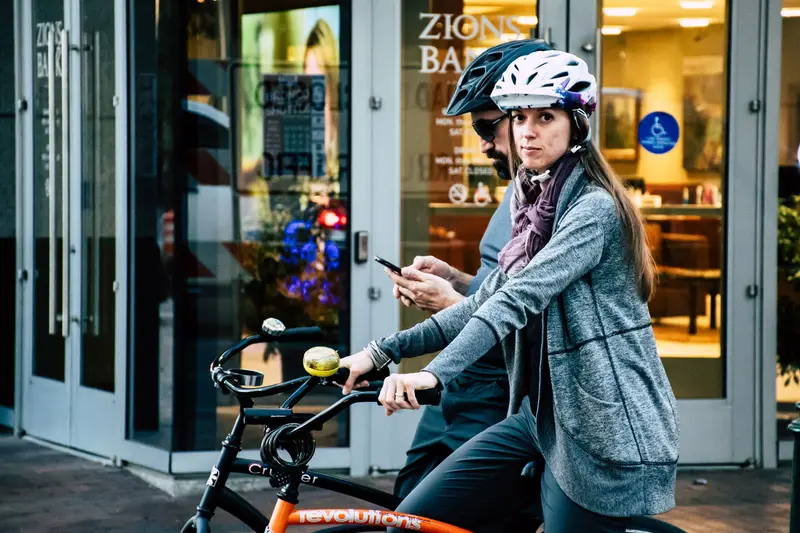
Short version: yes, wear one, and an electric bicycle helmet is worth being fussier about than a regular bike helmet if you're riding a Class 3 bike or anywhere near its 28 mph ceiling. Extra coverage at the temples and back of the head, and a helmet rated to the Dutch NTA-8776 standard, both earn their keep at those speeds. A flat 20 km/h commute on a Class 1 bike doesn't need any of that — a certified standard bike helmet already does the job. Eight US states currently require a helmet for every Class 3 rider regardless of age, so check yours before you assume the choice is optional.
I spent fifteen years racing mountain bikes with a full-face helmet strapped on for anything steep enough to matter, and then I bought my first e-bike and rode the first month in a helmet I'd had since university. Nobody tells you an electric bicycle helmet is a different purchase decision to a regular one. Turns out it sometimes is, and sometimes isn't, and the difference comes down to one number: how fast the bike actually goes.
Here's the direct answer: wear a helmet, always, on any bike. Whether you need an e-bike-specific one depends on speed, not on the fact that there's a motor involved. A Class 1 bike topping out at 20 km/h on a bike path is asking the same thing of your skull as an acoustic bike. A Class 3 bike doing 45 km/h downhill on assist is asking a genuinely different question, and most standard helmets were never tested for that answer.
Do you need a helmet for an electric bike
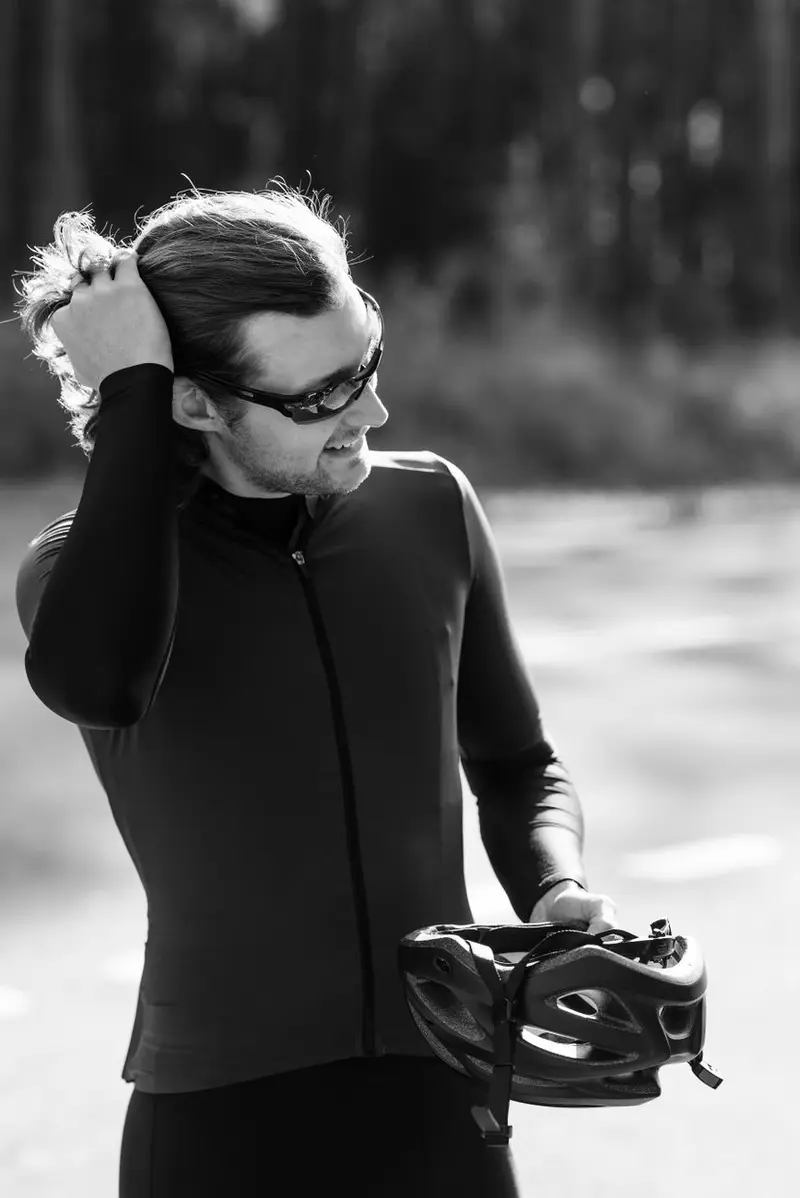
Do you need a helmet for an electric bike? Yes, without qualification, the same way you need one on any bike with two wheels and a road in front of it. That part isn't up for debate. What's actually being asked, most of the time, is narrower: does an e-bike need a different, more serious helmet than the one already hanging in the garage. That answer is: sometimes, and it turns on speed more than anything else.
A standard bicycle helmet sold to 16 CFR 1203 or EN 1078 requirements is certified against a fall from roughly walking-to-jogging speed onto a hard surface, which is where most bicycle crashes actually happen. Randy Swart, who runs the Bicycle Helmet Safety Institute, has made the same point publicly: a traditional helmet gives reasonable protection, full stop, on a regular bike. The open question is what happens above that speed, which is exactly where e-bikes spend more of their time than an acoustic bike ever did.
Rule of thumb: the faster your bike's top assisted speed, the more seriously you should take the helmet question. A Class 1 or Class 2 bike capped around 20 mph (32 km/h) sits close enough to regular cycling speeds that a good certified helmet is doing what it was designed to do. A Class 3 bike running to 28 mph (45 km/h) is a different animal, and I'll get to what that actually changes below.
The knee injury that eventually put me on an e-bike came off a downhill I'd ridden a hundred times, on a day I was riding conservatively, wearing a full-face helmet I'd have called overkill on flatter ground. The knee still ended the racing. The helmet never got tested that particular day and I still haven't taken it off since, on anything with a motor or without one. You don't get to pick which ride the helmet was for.
E bike helmet vs a regular helmet: what's actually different
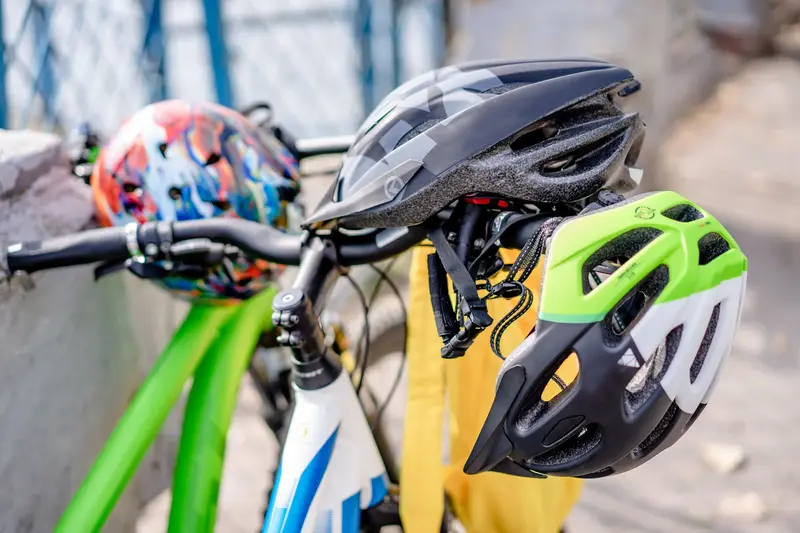
An e bike helmet earns its own name because of one specific standard: NTA-8776, introduced in the Netherlands in 2015 and built for exactly this problem. It's tested for impacts up to 45 km/h (28 mph), against the walking-pace impact a standard CPSC or EN 1078 helmet is built around, and it mandates larger coverage at the temples and back of the head, where a higher-speed fall is more likely to land. Think of it as the helmet's crumple zone getting bigger because the crash it's built for is bigger.
That's the honest mechanism, and it's also the whole of it. An NTA-8776 helmet isn't magic, it's the same foam-and-shell idea as any other helmet, just built and tested around a faster fall. Nine times out of ten, the marketing copy around "e-bike helmets" skips the standard entirely and just shows you a helmet with more coverage and a higher price, which is a real difference but not the only one that matters.
For anyone riding something that goes meaningfully faster than a Class 3 e-bike, the advice from safety researchers shifts again: at speeds closer to a light motorcycle, a proper motorcycle helmet is the honest answer, not a bicycle helmet with extra foam. That's a different vehicle wearing a bicycle's paperwork, and it's worth knowing where that line sits before you're relying on the wrong helmet at the wrong speed.
We stock the Bern Hudson MIPS Helmet ($149) and the Bontrager Solstice MIPS ($174.99), both with MIPS rotational-impact protection, which is a genuinely different technology to NTA-8776 coverage: MIPS addresses the twisting force a head takes in an angled fall, extra coverage addresses a faster straight-on one. The two aren't competing features. A helmet with both is doing more, not double-counting. Both, and the other nine helmets mentioned below, are in the accessories range alongside the locks, lights and racks we've covered elsewhere.
Is it illegal to ride an ebike without a helmet
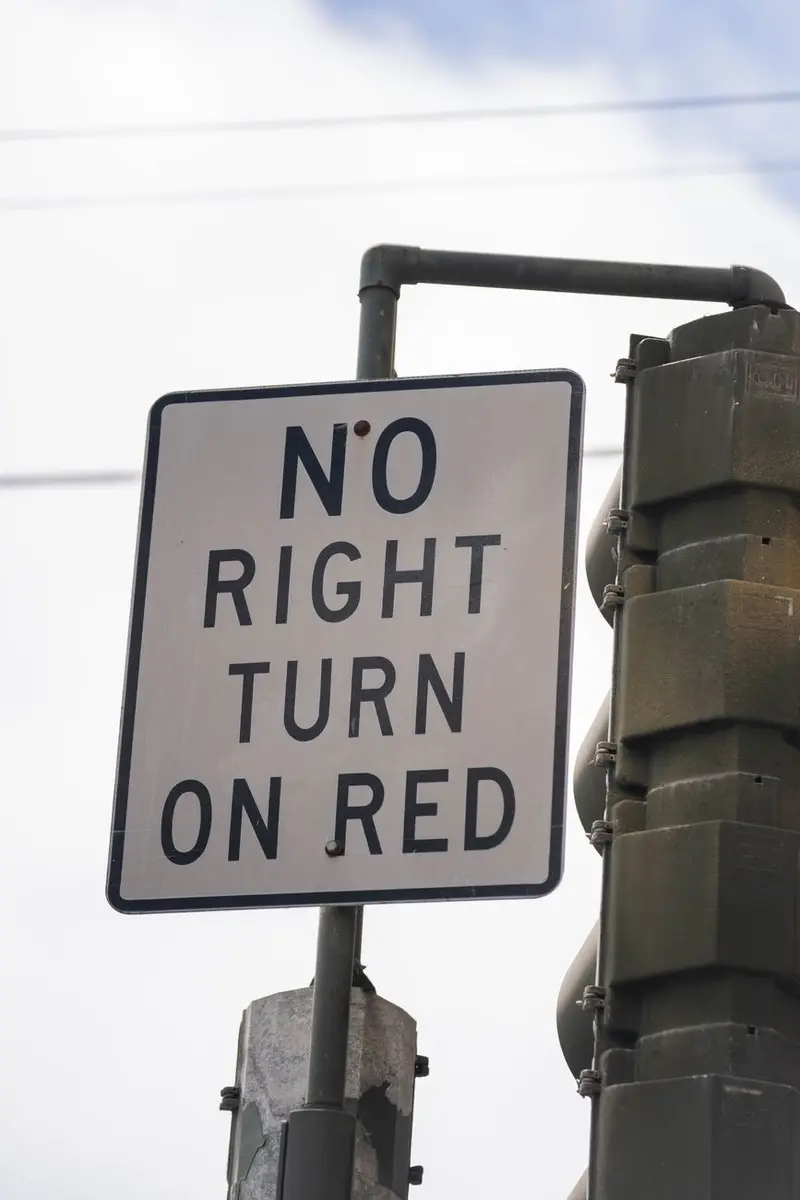
Is it illegal to ride an ebike without a helmet? It depends entirely on where you live, and this is the one place a generic guide can actively get you a fine. There's no federal US helmet mandate for e-bikes. States set their own rules, and per the Bicycle Helmet Safety Institute's state-by-state tracking, eight states (California, Connecticut, Georgia, Louisiana, Massachusetts, Ohio, Tennessee and Virginia) currently require a helmet for every Class 3 rider, regardless of age. Several of those same states only require one for Class 1 and 2 riders under a certain age, which means the exact same bike can be a legal requirement in one state and an optional choice in the next one over.
That patchwork isn't unique to helmets. Assist limits themselves differ by country the same way, 25 km/h in the EU, 20 or 28 mph across the US class system, other ceilings again elsewhere, and neither number is universal no matter how confidently a forum post states it. Our own guide to the legal e-bike classes covers the assist side properly — helmet law is the same lesson wearing different clothes: check your own state or country, not the internet's average.
Practically, this means the honest move is a five-minute check of your own jurisdiction before you assume either answer. A helmet law you didn't know about is a fine you didn't see coming. A helmet law that doesn't exist where you live doesn't mean skip the helmet, it just means the choice of exactly which one is up to you rather than up to the state.
The best helmet for an ebike depends on how you ride
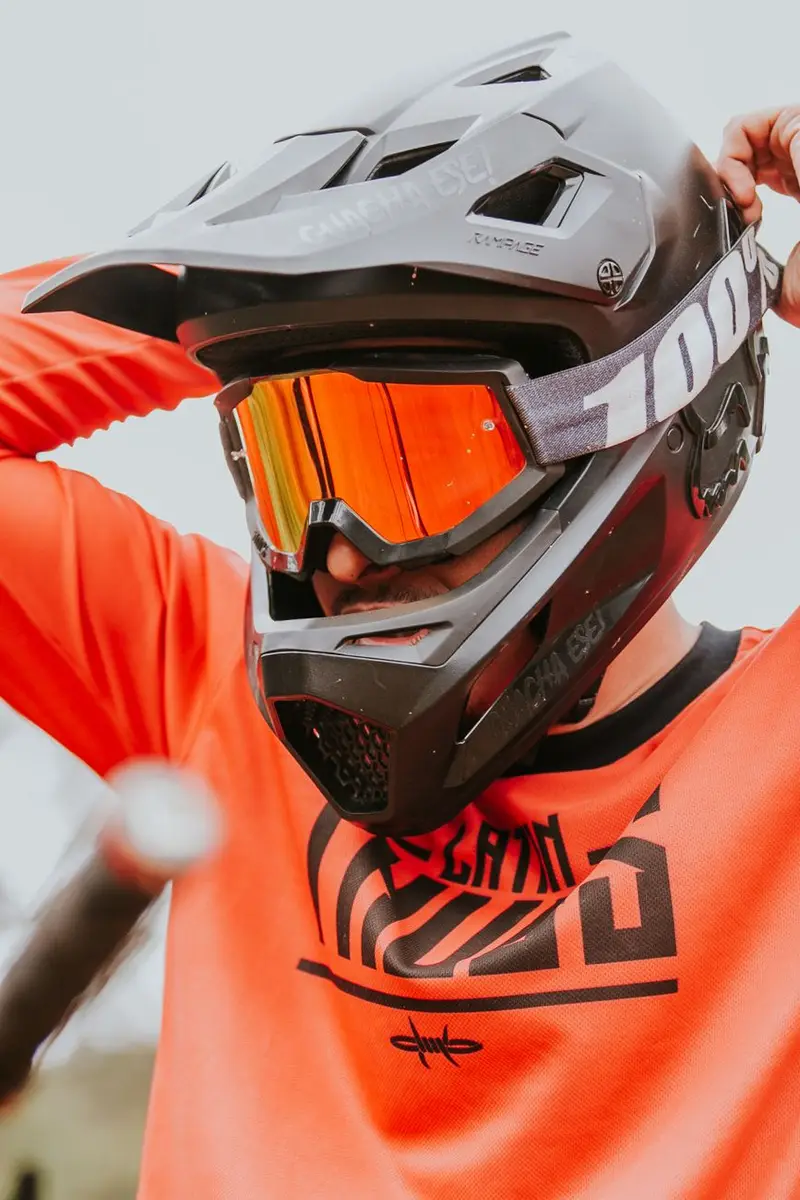
The best helmet for an ebike isn't one model, it's whichever one matches the riding you actually do, and we stock enough range to make that a real choice rather than a marketing line. Commuting on a Class 1 or 2 bike on bike paths and quiet roads: a certified road helmet with good ventilation is genuinely enough — the Specialized Tone ($79.99) or the Trek Bontrager Solstice MIPS ($174.99) both fit that brief.
Riding a Class 3 bike regularly at or near 28 mph, especially in traffic: step up to more coverage. That's where the extra temple and rear-head protection NTA-8776 was built around actually earns its price, alongside MIPS if the bike is fast enough that an angled fall is a real possibility, not a theoretical one.
Off-road on an eMTB is its own category entirely, and it's the one where I stop being neutral. A half-shell trail helmet like the Fox Racing Dropframe ($224.95) or the QuietKat-listed Bell Super Air Spherical ($235) gives you the coverage a rocky descent actually demands, and Specialized's Ambush 3 ($249.99) sits in the same bracket. None of these are about the motor. They're about what happens when the trail wins, which it eventually does to everyone.
Riding at night or wanting to be seen matters as much as impact rating. The Velotric Lumos Ultra ($199.95) and Tern's version of the same helmet ($159.95) build a turn-signal and brake light straight into the shell, which is a genuinely useful bit of tech for anyone commuting after dark rather than a gimmick bolted onto a spec sheet.
How to get the fit actually right
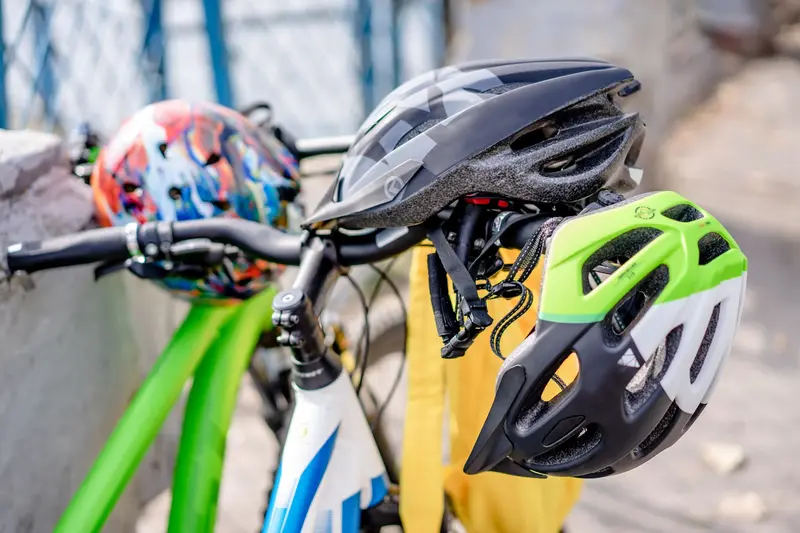
None of the above matters if the helmet doesn't fit, and this is the section every helmet guide mentions and almost none of them actually walk through. Measure your head circumference at the widest point, just above the eyebrows, and buy to that number rather than a size label that varies between brands the way jeans sizing does.
Once it's on: it should sit level, roughly two finger-widths above your eyebrows, not tipped back showing your forehead like a cap. The side straps should form a V just under your ears, and the chin strap should be snug enough that you can fit one finger under it, not two. Shake your head hard. If the helmet shifts independently of your scalp, it's too big, no matter what the box said.
Replace it after any real impact, even one that looks fine from the outside. The foam does its job by crushing invisibly, once, and a helmet that's already absorbed a hit has nothing left for the next one. That's not upselling, it's how the foam physically works.
When a standard helmet is genuinely fine
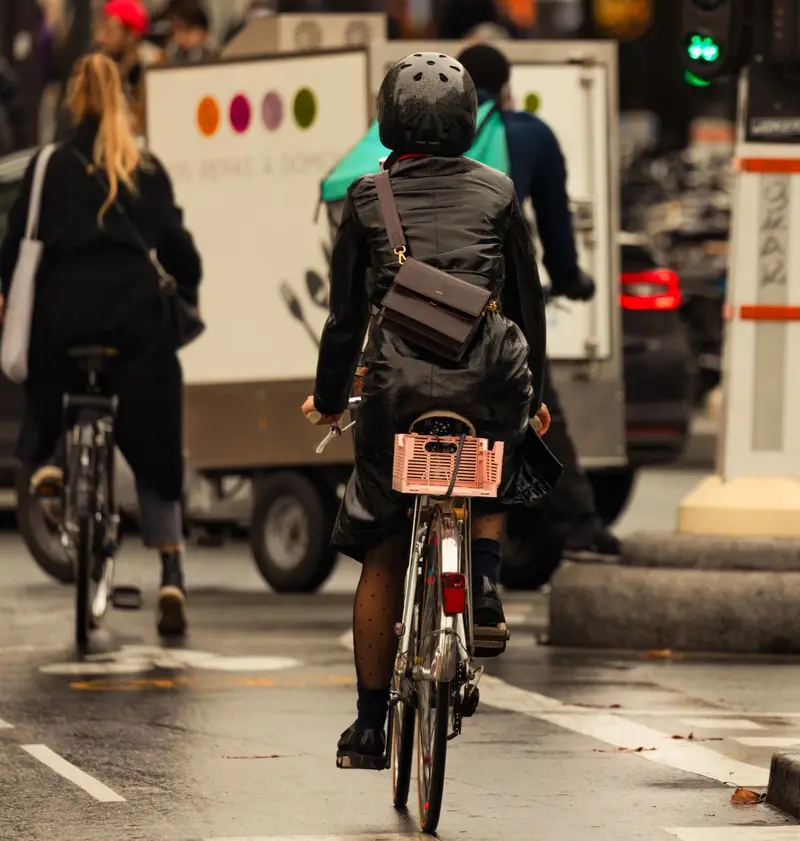
Here's the bit most helmet guides skip because it doesn't sell anything: if you're riding a Class 1 bike capped around 20 km/h, sticking to bike paths and quiet streets, a certified standard bicycle helmet is doing exactly what it was built to do. You do not need to spend $250 on an NTA-8776 trail helmet to ride to the shops. That money is better spent on the bike itself, or on a lock actually worth trusting.
This is the same shape of advice we give on the bikes themselves: buy for the trip you actually take, not the trip you imagine. A rider who commutes flat, slow, and mostly on separated paths is over-buying protection the same way a rider who pays for 140 km of range on a 12 km commute is over-buying battery. Neither purchase is wrong exactly, it's just money solving a problem you don't have.
Where I'd stop being relaxed about it: any Class 3 riding, any regular traffic exposure, any real descent on dirt. That's where the extra coverage and the higher-rated foam are answering a question your riding is actually asking, not a hypothetical one.
Honest e-bike helmet pricing
Honest e-bike helmet pricing across what we actually stock runs $60 to $400. The Ride1Up Helmet at $60 is the floor — certified, plain, does the job for round-town riding. The Mercedes-AMG PETRONAS F1 Team Smart eBike Helmet at $400 sits at the other end, and the extra money there is buying badge and finish more than it's buying additional protection over a $200 MIPS helmet.
The useful middle, and where most riders should actually be looking, is $150 to $250: MIPS as standard, real ventilation, and for the off-road options, the coverage a trail deserves. Below $150 you can still get a perfectly certified helmet, you're just trading away MIPS and the extra coverage that NTA-8776-style testing rewards.
One number worth sitting with: a helmet works exactly once. Buying the $60 helmet and replacing it properly after a genuine impact is a better outcome than buying the $400 one and never being able to admit you dropped it.
Straight answers

Are ebike helmets different from bike helmets?
Sometimes. A dedicated e-bike helmet built to the Dutch NTA-8776 standard is tested for impacts up to 45 km/h (28 mph) and covers more of the temples and back of the head than a standard CPSC or EN 1078 bike helmet, which is tested around a walking-pace fall. For Class 1 or 2 riding at regular cycling speeds, a certified standard helmet is genuinely equivalent.
What is the NTA-8776 standard?
A Dutch safety standard introduced in 2015, built specifically for e-bikes and speed pedelecs. It tests helmets for impacts at speeds up to 45 km/h (28 mph) and requires larger protective coverage at the temples and back of the head than standard bicycle helmet certifications.
Do I need a full-face helmet for an eMTB?
Not for every ride, but for real descents, yes it's worth it. A half-shell trail helmet like the Fox Racing Dropframe or Bell Super Air Spherical covers most eMTB riding; a full-face is the right call once the trail gets genuinely steep and fast, the same rule that applied before e-bikes existed.
Can I use my old bike helmet on an e-bike?
If it's undamaged, still fits properly and hasn't been in a crash, yes, for Class 1 or 2 riding at regular speeds. For regular Class 3 riding near 28 mph, upgrading to a helmet with more coverage is the honest call, not a required one everywhere, but the safer one.
How much does a good e-bike helmet cost?
The useful range is $150 to $250 for MIPS protection and proper ventilation, with certified basics available from $60 and premium or off-road options running to $400. Above $250 you're mostly paying for finish and branding, not additional protection.
Does a helmet need replacing after a crash?
Yes, always, even if it looks undamaged from the outside. The foam absorbs an impact by crushing invisibly, once, and a helmet that's already taken a hit has nothing left to give in a second one.
Dave Whitmore
Ex-mountain-bike racer; came to e-bikes cranky, converted fast.
Keep reading
Browse the range
Still not sure which one? Give us a shout.