
Lukas Vogt · Germany · 10 min read
How Do eBikes Work? The Five Parts Explained
Published 2026-09-04
TL;DR
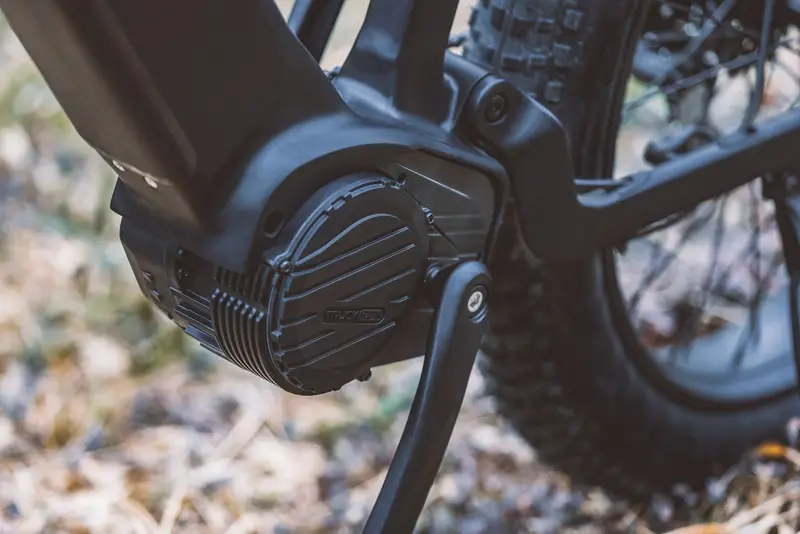
An e-bike is five parts talking to each other. A sensor notices you pedalling, the controller decides how much help that deserves, the battery supplies the power, the motor turns it into forward motion, and the display shows you what is happening. The sensor type is what makes one bike feel natural and another feel like being shoved. Watts describe electrical draw, newton metres describe pulling power, and watt-hours describe range, which is the one people confuse most. When an e-bike stops working it is very rarely the motor.
People assume an e-bike is a bicycle with a motor bolted on, the way a moped is. It is closer to five components having a fast, continuous conversation about how hard you are trying.
Understanding that conversation is the difference between reading a spec sheet and knowing what it means. It also tells you which part to suspect when the thing stops, which is worth more than most of the spec sheet.
Five parts, and only one of them is the motor

The **battery** stores energy, measured in watt-hours (Wh). It does not decide anything. It is a tank.
The **sensor** watches you pedal. Depending on type it either notices *that* you are pedalling or measures *how hard*. This is the part that decides how the bike feels, and I will come back to it because it matters more than anything else here.
**Ebike controller explained**, because it is the brain and the most underrated component on the bike: it reads the sensor, applies your chosen assist level, converts the battery's DC into the alternating current the motor windings actually need, and continuously adjusts the voltage from zero up to full pack voltage. Every limit you experience, top assist speed, current draw, how smoothly power arrives, is the controller enforcing it.
The **motor** converts that electricity into rotation. Typically 250 W to 750 W depending on the market and the bike.
The **display** reports assist level, speed and battery state, and on most bikes is also where you change assist. It is the least interesting part and the one people judge bikes by.
The sensor decides whether it feels natural or rude
There are two kinds, and the difference is enormous in a way no photograph conveys.
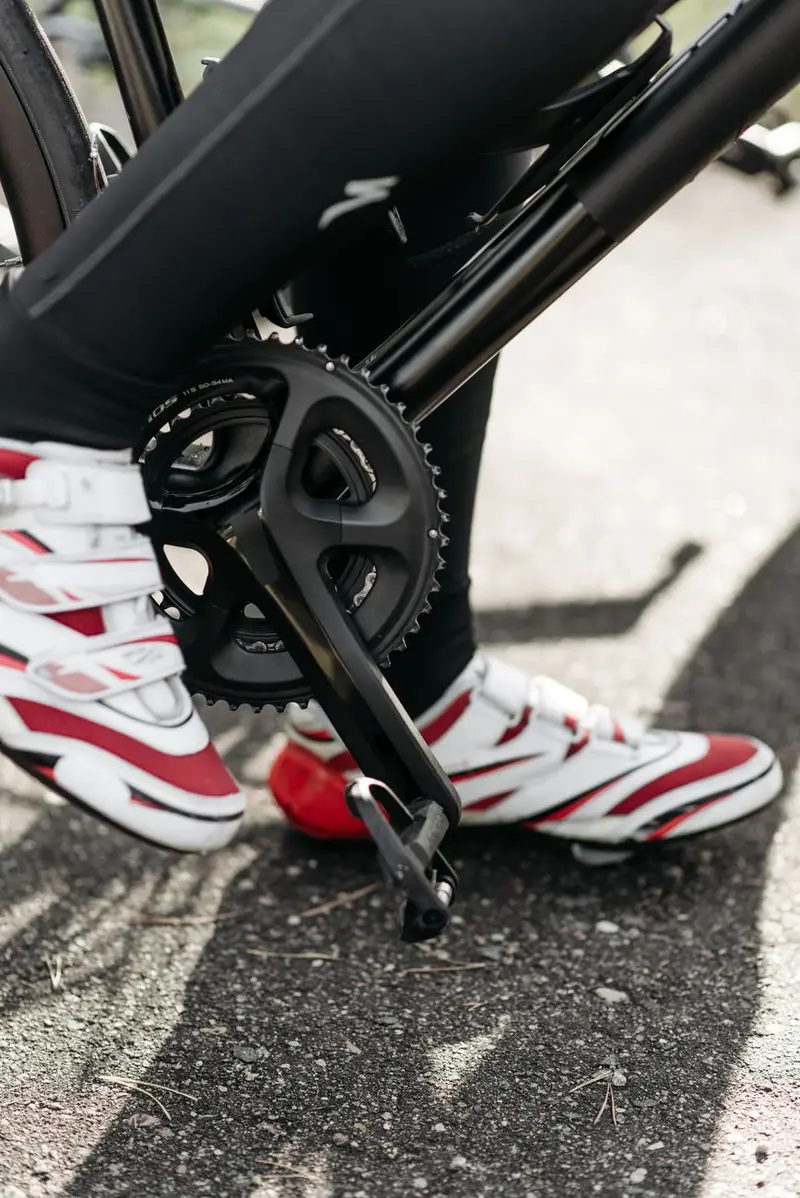
A **cadence sensor** detects rotation. It knows the pedals are turning and it does not care how hard you are pushing. Cross the threshold and assistance arrives at whatever your chosen level says, then stays flat. That is why cheaper e-bikes surge away from a stop, and why easing off does nothing until you stop pedalling entirely.
A **torque sensor** measures the actual force you apply, hundreds of times a second, and scales the motor's contribution to match. Push harder, get more. Ease off, it eases off with you. It feels like having stronger legs rather than being pushed by a stranger.
This is also a range spec in disguise. Because a torque sensor only draws what you have asked for, it wastes less energy than a cadence system delivering flat assistance whether you need it or not. If you want the full argument with numbers, our piece on torque sensors is the deep dive. What is a torque sensor on an ebike, in one line: the thing that makes it feel like your own bike.
Pedal assist vs throttle: not the same thing

Pedal assist means the motor only contributes while you pedal. You supply effort, the motor multiplies it, and when you stop pedalling the assistance stops a moment later. It is the default on essentially every e-bike sold.
A throttle moves the bike whether or not your legs are involved, like a scooter. It is genuinely useful for pulling away uphill from a standing start or crossing a busy junction, and it empties a battery faster than pedal assist every time, because none of the work is coming from you.
Whether a bike has one at all is a legal question rather than an engineering one, and it varies by region: the EU caps assist at 25 km/h and generally omits throttles, while the US uses classes at 20 and 28 mph. PeopleForBikes tracks the US state-by-state position, and our classes explainer covers what each class permits.
Where the motor sits changes everything downstream
There are two places to put it, and the choice determines how the bike climbs, what wears out, and what it costs.
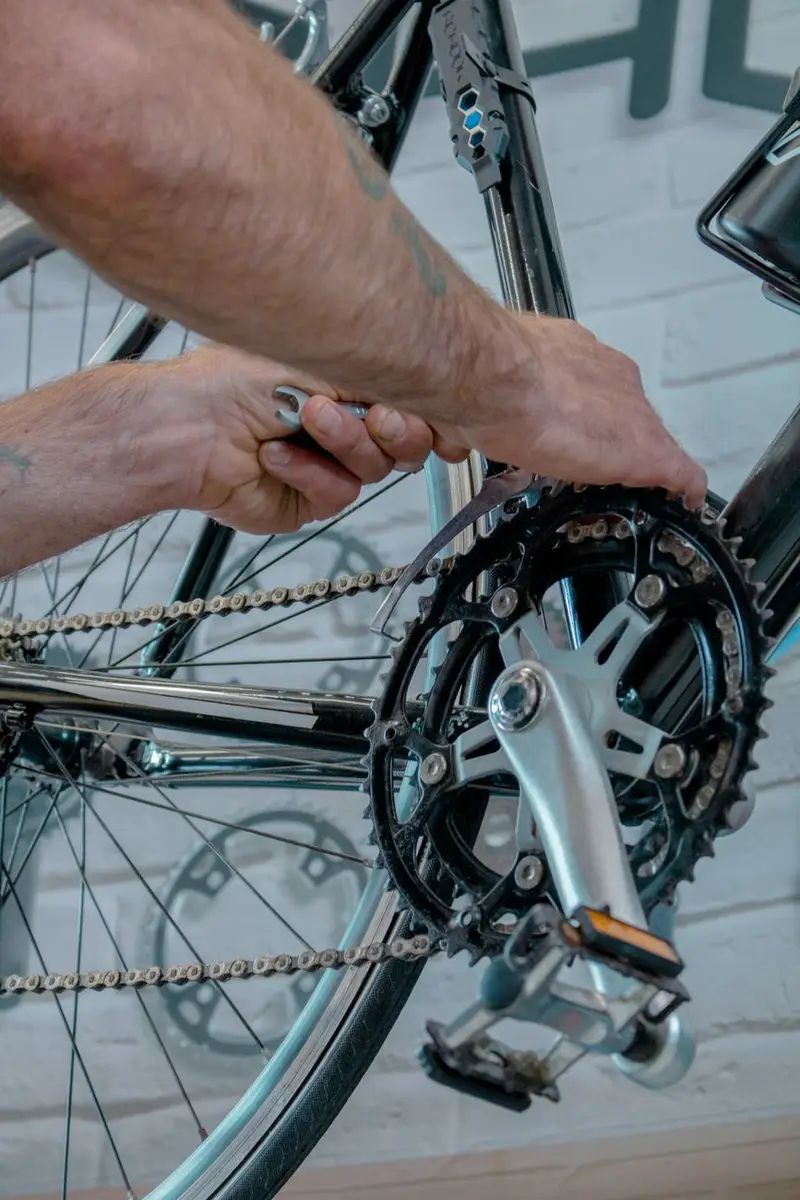
A **hub motor** lives in a wheel and drives it directly, independent of your chain and gears. One fixed ratio, mechanically simple, cheap, very reliable. A **mid-drive** sits at the cranks and drives the chain, which means it goes through the bike's gears and can be geared down for a climb exactly the way you gear yourself down.
That is the short version, and how does an ebike motor work is really two questions wearing one coat. The full comparison, with what each costs to buy and what each costs when it wears out, is in hub motor vs mid drive.
What the numbers actually mean

Three units, routinely confused, and confusing them is how people buy the wrong bike.
**Watts (W)** describe electrical power draw. It is the number marketing shouts, and it is the least useful of the three on its own. **Newton metres (Nm)** describe turning force, which is what you feel when the road tilts up. **Watt-hours (Wh)** describe stored energy, and that is your range number: a bigger Wh figure means more kilometres, all else equal.
So here is the opinion, and it is the hill I will die on: more watts is not more better. A well-tuned 250 W mid-drive out-rides a crude 750 W hub on a real climb. Our own catalogue makes the point without me having to argue it — the Himiway D5 Pro runs a 500 W mid-drive producing 130 Nm, while the Lectric XP4 runs a 750 W hub producing 85 Nm. Fewer watts, considerably more pulling power, because it is geared through the bike.
For context on the third number: a typical 500 Wh pack costs about $0.12 to $0.20 to fill, and returns 45 to 110 km real-world depending on the bike, terrain and how heavily you lean on the assist.
When it stops working, it is usually not the motor
This is the practical payoff of knowing the five parts, and it is the section no manufacturer writes.
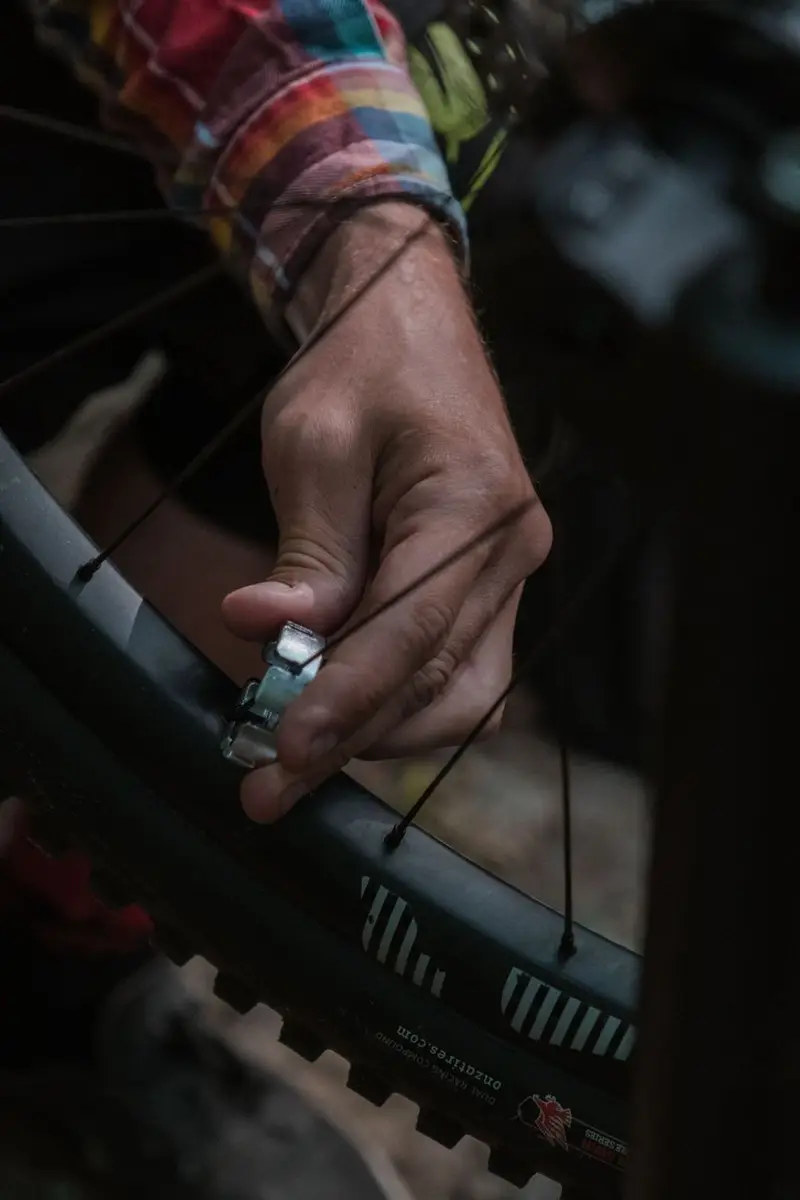
Motors are sealed, simple and rarely the fault. In order of what actually goes wrong: **connectors** first, because a loose or corroded plug between battery and controller looks exactly like a dead motor and costs nothing to reseat. Then the **sensor**, since a displaced cadence magnet or a knocked speed sensor means the controller never learns you are pedalling. Then the **controller**, which is the genuine electronic failure and the expensive one. The **battery** fades gradually rather than dying suddenly, losing capacity across 800 to 1,000 charge cycles, three to five years of normal use.
So if your bike suddenly gives nothing: check the battery is seated, check the connectors, check the sensor magnet is where it should be, and only then start suspecting anything costly. Nine times out of ten it is upstream of the motor.
The exception is the bike that was never repairable to begin with. Nine out of ten 'my e-bike died after a year' emails describe the same machine: a mystery-brand marketplace special with uncertified cells, a controller nobody stocks, and a brand name that is three letters and a shrug. Nothing on that bike is diagnosable because nothing on it is replaceable. Batteries in a properly built bike are tested to a real standard, and UL Solutions publishes what that testing covers.
Straight answers

How do ebikes work in simple terms?
A sensor detects that you are pedalling, or how hard. The controller reads that plus your chosen assist level and decides how much help to give. The battery supplies the electricity, the motor turns it into forward motion, and the display shows what is happening. Stop pedalling and, on a pedal-assist bike, the motor stops a moment later.
How does an ebike motor work?
The controller converts the battery's DC into alternating current for the motor windings and varies the voltage to control output. Where the motor sits determines the rest: a hub motor drives its wheel directly at one fixed ratio, while a mid-drive drives the chain and goes through the bike's gears, so it can gear down for a climb.
What does an ebike controller do?
It is the brain. It reads the sensors, applies your assist level, converts battery DC into the three-phase AC the motor needs, and continuously adjusts voltage from zero to full pack voltage. Every limit you feel, the assist cut-off speed, current draw, how smoothly power arrives, is the controller enforcing it.
What is a torque sensor on an ebike?
A sensor that measures the actual force you put through the pedals, hundreds of times a second, and scales the motor's help to match. It feels like stronger legs rather than a push. A cadence sensor, the cheaper alternative, only detects that the pedals are turning and delivers flat assistance regardless of effort.
What is the difference between pedal assist and throttle?
Pedal assist only helps while you are pedalling and multiplies your own effort. A throttle moves the bike whether you pedal or not, like a scooter. Throttles drain the battery faster because none of the work comes from you, and whether a bike has one depends on its class and your country's rules.
What do ebike watts and Nm mean?
Watts describe electrical power draw, newton metres describe turning force, and watt-hours describe stored energy, which is your range figure. Nm is the number that predicts how a bike climbs. A 500 W mid-drive in our range makes 130 Nm while a 750 W hub makes 85 Nm, so wattage alone tells you very little.
Can you ride an ebike without the motor on?
Yes. With assist off it is a heavy bicycle, and every e-bike will pedal home on legs alone if the battery empties. A mid-drive coasts a little more naturally because there is no motor in the wheel adding drag, but both are entirely rideable unpowered.
What usually breaks first on an ebike?
Rarely the motor. Connectors are the most common culprit, since a loose or corroded plug looks exactly like a dead motor. Then sensors, particularly a displaced cadence magnet. Then the controller, which is the real electronic failure. Batteries fade gradually across 800 to 1,000 charge cycles rather than failing suddenly.
Lukas Vogt
Mechanical-engineering background, 36, and will explain torque sensors until you beg him to stop. Owns a multimeter he did not strictly need and a spreadsheet comparing every motor in the range.
Keep reading
Browse the range
Still not sure which one? Give us a shout.