
Lukas Vogt · Germany · 9 min read
Ebike Voltage Explained: 36V vs 48V vs 52V
Published 2026-09-07
TL;DR
Short version: voltage is electrical pressure, not automatically power or torque. A 36V electric bicycle can out-torque a 48V one, and one of ours does. Higher voltage mostly buys headroom, sustained power at speed, and the ability to run heavier loads or dual-battery setups without pushing more current through the same wires. Chase watt-hours and the torque figure first, and let voltage follow rather than lead.
Voltage is the one number on an ebike spec sheet every shop treats like a difficulty setting: 36V for beginners, 48V for the brave, 52V for people who enjoy replacing chains. (I am one of those people. My spare-parts drawer has its own zip code.) None of that is actually how it works, and it's an easy myth to believe, since 48V bikes really do tend to cost more and go faster.
Here's the direct answer: a 36V electric bicycle is not the entry-level option next to a 48V or 52V bike. It's a different tuning of the same physics, and plenty of well-specced bikes in our own range ship at 36V on purpose. What the voltage number actually buys you, and doesn't, is the rest of this post.
Ebike voltage explained in one paragraph
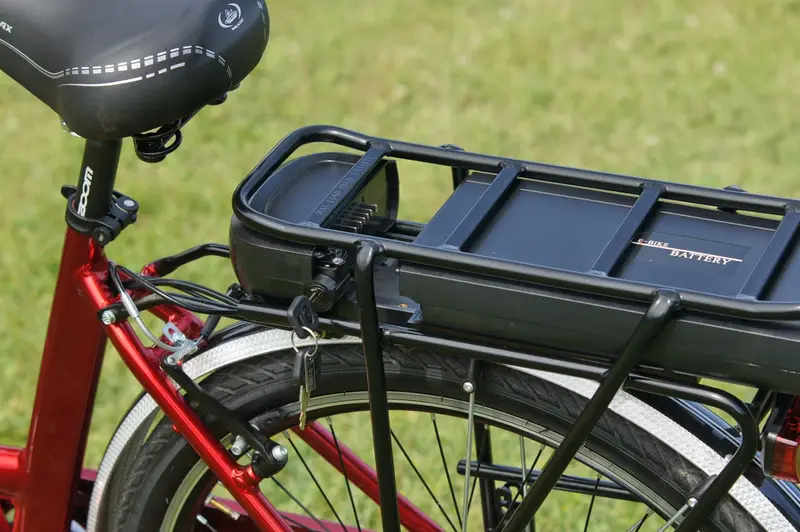
A battery pack's voltage comes from how many cells are wired in series. A single lithium cell sits around 3.6V to 3.7V nominal, so wire ten of them in a row and you get a 36V pack; wire thirteen and you get 48V; fourteen gets you 52V. "48V" is a nominal figure too, not a constant: a fully charged 48V pack reads closer to 54V, and it sags toward 42–44V as it empties. The number on the sticker is an average, not a live reading.
What that voltage actually does is set how much electrical pressure the controller has to work with. Pair it with current (amps) and you get power (watts), and pair the motor's design with both of those and you get torque, the number that actually moves you up a hill. Voltage on its own decides none of the last two. It's one ingredient, not the recipe.
It's not abstract maths either. The Aventon Abound LR runs a 36V, 33A controller, and 36 multiplied by 33 lands almost exactly on the 1,188 W peak output Aventon quotes for it. That's the whole relationship in one bike: watts as a straightforward multiplication, not a marketing feeling.
This is also why you can't just bolt a higher-voltage pack onto a lower-voltage bike to get more power out of it. The controller, motor windings and wiring are all rated for a specific voltage range, and pushing more through them isn't an upgrade, it's a way to cook a controller. Ebike controllers are built to a spec, not a suggestion, which is exactly what UL 2849 certification tests: battery, charger, controller and wiring as one electrical system, not as parts you can freely swap between voltages.
Your 36V electric bicycle isn't the budget option
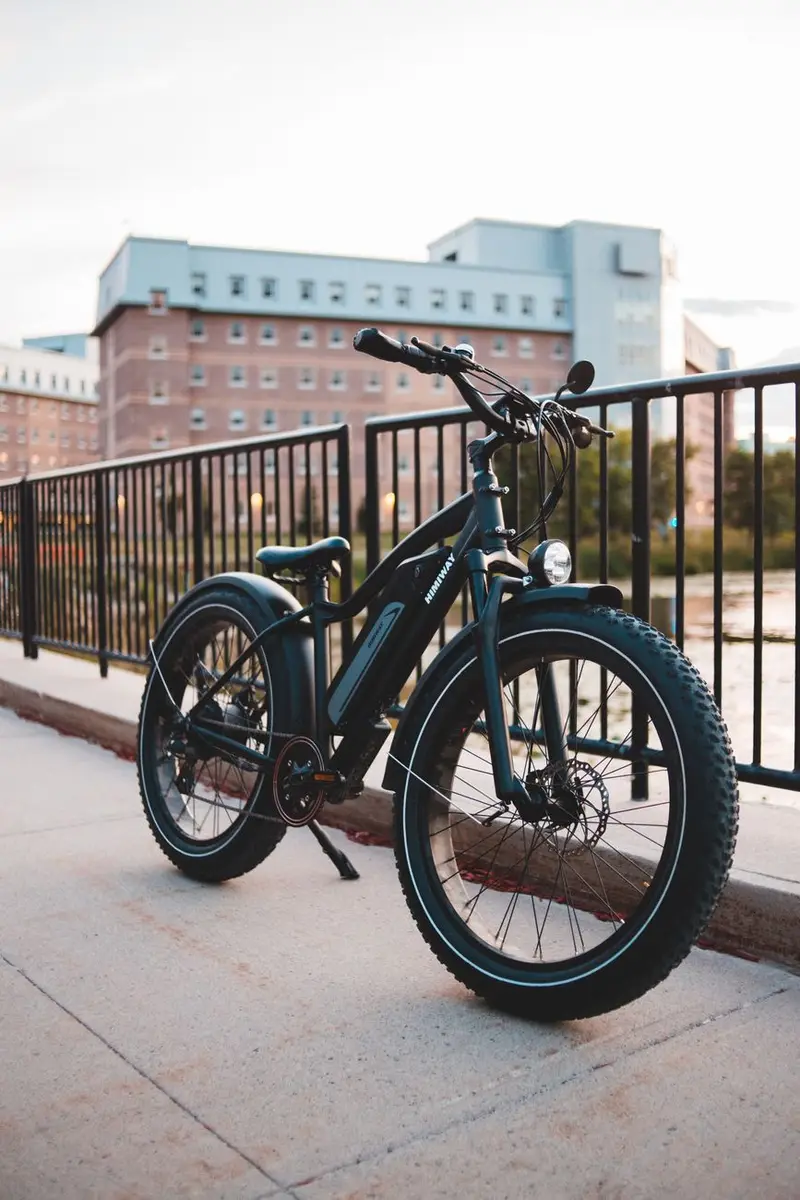
Run the numbers on our own range and the "36V is for beginners" story falls apart fast. The Aventon Soltera 2.5 is a 36V, 345.6 Wh commuter at $1,199, our lightest bike at 20.9 kg, putting out 45 Nm. The Aventon Aventure 3 is also 36V, and it's an $1,999 fat-tyre bike with a 733 Wh pack and 80 Nm of torque, nearly double the Soltera's figure on the identical voltage.
Then there's the Ride1Up Prodigy V2, a 36V mid-drive city bike at $1,795 that hits 90 Nm, the highest torque figure of any 36V bike we carry, and it gets there with a smaller battery than the Aventure 3's. Same voltage, three completely different bikes, three different jobs.
That spread is the whole point. A 36V electric bicycle can be a featherweight commuter, a loaded fat-tyre adventure bike, or a hill-climbing mid-drive, because the motor and controller sitting behind the number do the actual work. (Somewhere a marketing department is quietly furious that the number they wanted you to judge the bike by turned out to be the least useful one on the page.)
36V vs 48V ebike: same question, different torque numbers
Ask "36V vs 48V ebike, which is better" and you're asking the wrong question, because the answer depends entirely on what's built around the pack. The Aventon Sinch 2.5 runs 48V and puts out 60 Nm. The Rad Power RadRunner Max also runs 48V and hits 90 Nm, the same figure as the 36V Prodigy V2 above. Two bikes, same pack voltage, a 30 Nm gap between them, and a third bike on lower voltage matching the stronger of the two exactly.
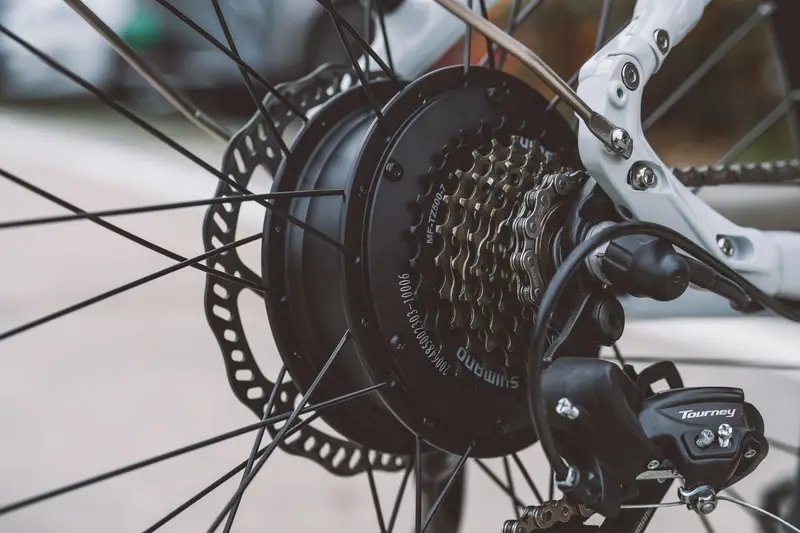
What 48V genuinely tends to buy is headroom at sustained higher current draw: think heavier hub motors, throttle-equipped utility bikes, and cargo platforms that spend a lot of a ride at full assist rather than dipping in and out of it. Rad Power builds its entire 750 W utility and cargo line on 48V for exactly that reason, not because 48V is a performance badge.
If you're weighing this for a hill-heavy commute rather than a spec sheet, the motor's placement, hub versus mid-drive, and how it delivers that torque matters more than the pack voltage. Our hub motor vs mid-drive comparison covers that trade-off in full.
52V ebike battery: who actually needs the jump
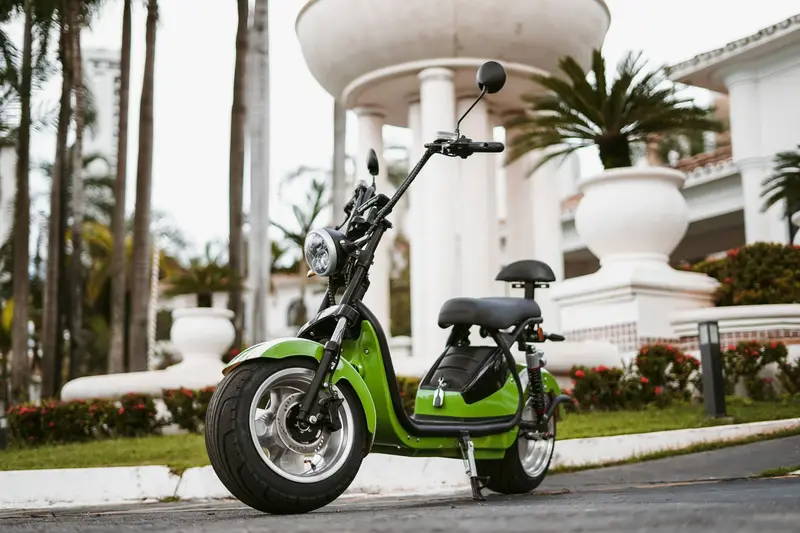
A 52V ebike battery shows up on exactly the kind of bike you'd expect once you know what higher voltage is actually for: the Super73 MZFT and Super73 M1D, both moped-style, throttle-heavy utility bikes with 520 Wh packs that are dual-battery capable, stretching to 32–40 km on a single pack and roughly double that running two.
That combination, throttle-first riding, sustained high current, and an optional second pack, is where 52V earns its keep. Running two batteries safely is a voltage-matching problem before it's anything else, and mismatched packs are a documented cause of thermal runaway, which is exactly why the US Consumer Product Safety Commission has proposed tougher rules on lithium-ion batteries in micromobility products. We've covered the practical side of that in our guide to dual battery ebikes.
If your riding is a flat commute on pedal assist, not throttle, 52V is not a box to tick. It's a spec built for a specific kind of hard, sustained use, and most riders never load a bike that way. Putting a 52V dual-battery moped-style bike on a school run is a bit like bringing a tour bus to pick up one passenger: it'll do the job, it just did not need to be that bike.
More volts is not more power
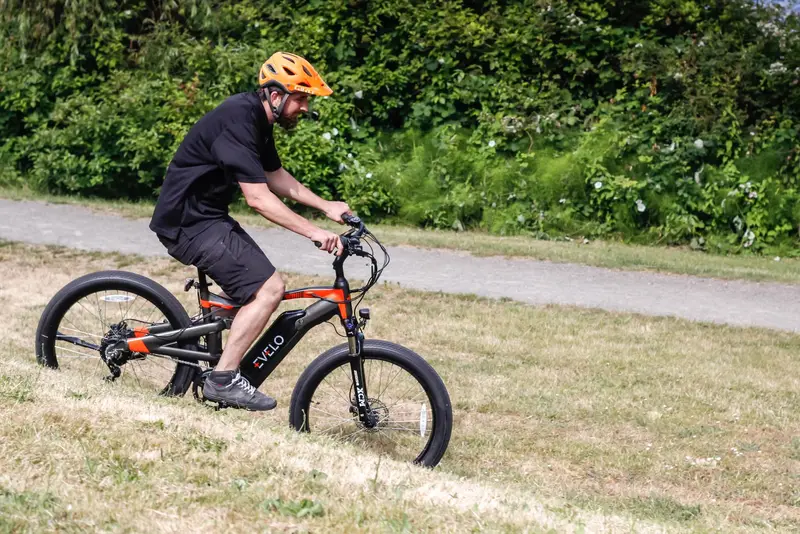
Here's the opinion I'll stand behind: more watts is not more better, and the same logic holds for volts. A well-tuned motor on a lower voltage pack regularly out-rides a crude one on a higher voltage system, because torque and how the motor delivers it matter more than the headline number on the battery. Our own range proves it twice over: the 36V Prodigy V2 and the 48V RadRunner Max both land at 90 Nm, and the 36V Aventure 3 beats the 48V Sinch 2.5 by 20 Nm.
(If you want the wattage version of this argument, I've made it before, and I'll happily make it again to anyone standing near a spec sheet. Ask me about torque sensors while you're at it. Actually, don't. You'll regret it.)
Marketing leans on voltage because it's a single clean number that sounds like a performance tier: 36, 48, 52, bigger is better, done. It isn't a lie exactly, higher voltage systems do tend to run more capable hardware around them, but the voltage isn't what's doing the work. The motor winding and the controller's current limit are.
When the voltage number isn't the thing to chase
We had a rider once who paid a real premium chasing a bigger battery for a 12 km commute, on the logic that more was safer. Lovely bike, wrong spec: they were carrying a heavier pack they charged once a week and never came close to emptying. The right bike for that commute was two thousand dollars cheaper. Voltage gets chased the exact same way, on the same bad logic, and it costs the same way too.
Don't buy up in voltage for a flat, short commute you could do on 36V with room to spare. Don't buy up because a 52V number feels like more bike for the money. Do buy up if you're running a loaded cargo platform, a throttle-first utility bike, or genuinely sustained high-assist riding where the extra headroom is doing real work, not sitting in a spec sheet unused.
And if you're not sure which category you're in, our guide to choosing an ebike starts with the trip you actually take, which is also where this decision should start. Give us a shout with the route and the load, and we'll tell you honestly whether you need the extra volts or the extra thousand dollars back in your pocket. Either way, you'll leave the conversation knowing more about watts, amps and volts than the spec sheet ever planned to tell you, which is a strange thing to be proud of, and I am, a little.
Straight answers

Does higher voltage mean more power on an ebike?
Not by itself. Voltage paired with current gives you watts, and the motor's winding and the controller's current limit decide the torque you actually feel. Our own range has a 36V bike out-torquing a 48V one by 20 Nm, so voltage alone doesn't set the outcome.
Is a 48V electric bike worth the extra cost over a 36V one?
Only if you need what 48V systems are usually built for: sustained high current draw on a heavier hub motor, a throttle-equipped utility bike, or a loaded cargo platform. For a normal commute, a well-specced 36V bike often matches or beats a 48V one on torque for less money.
Can I put a 48V battery on a 36V ebike?
No. The controller, motor windings and wiring are rated for a specific voltage range, and pushing a higher voltage through them risks cooking the controller rather than boosting performance. Stick to the pack your bike's electrical system was certified with.
What's the real difference between a 36V and 48V ebike?
Less than the marketing suggests. Voltage sets the electrical pressure available, but the motor and controller built around it decide torque and top power. Two of our own bikes, one 36V and one 48V, land on the identical 90 Nm torque figure.
Do I need a 52V ebike battery for hills?
Usually not just for hills. 52V packs show up on throttle-heavy, dual-battery-capable utility bikes built for sustained high current, not on climbing specialists. A well-geared mid-drive at 36V or 48V handles most hills better than voltage alone ever will.
Does voltage affect an ebike's range?
Indirectly. Range comes from watt-hours (voltage multiplied by amp-hours), not voltage on its own. A 36V pack and a 48V pack with the same watt-hour rating deliver similar range; the higher voltage system just tends to draw more current if you lean on the assist, which can eat into that range faster.
How long does a higher voltage ebike battery take to charge?
Charge time depends on the charger's amperage and the pack's watt-hours, not voltage directly. A larger 48V or 52V pack with a modest charger can take longer than a smaller 36V pack on a fast one. Check the charger spec, not just the battery label.
Does ebike voltage affect which legal class it falls into?
No. Class limits are set by top assisted speed and motor power, not pack voltage, and those limits differ by country: 25 km/h in the EU, 20 or 28 mph across the US classes. Our guide to ebike classes covers the actual rules.
Lukas Vogt
Mechanical-engineering background; will explain torque sensors until you beg him to stop.
Keep reading
Browse the range
Still not sure which one? Give us a shout.